|
Subpage flies:
Tachinidae
Blow-flies
(Calliphoridae) House
flies (Muscidae) Soldierflies
(Stratiomyidae)
Root-Maggot
Flies (Anthomyiidae)
Small
flies Gnats
 Nederlands /
Dutch Nederlands /
Dutch
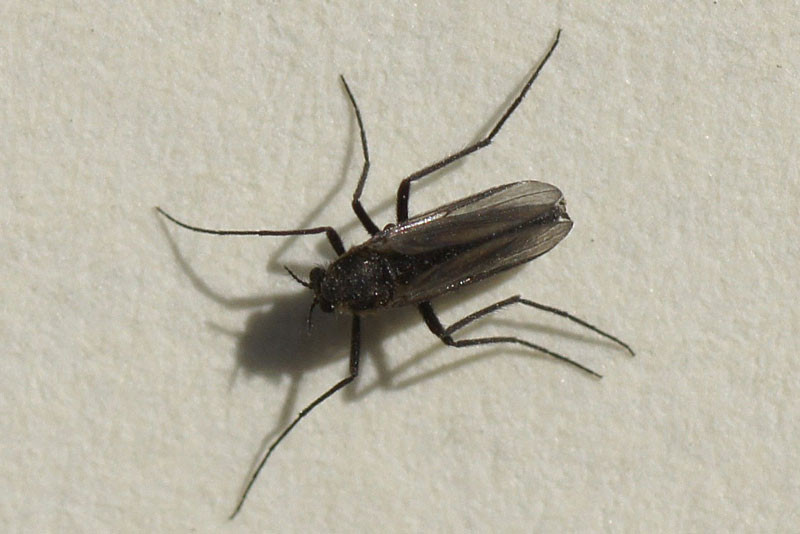
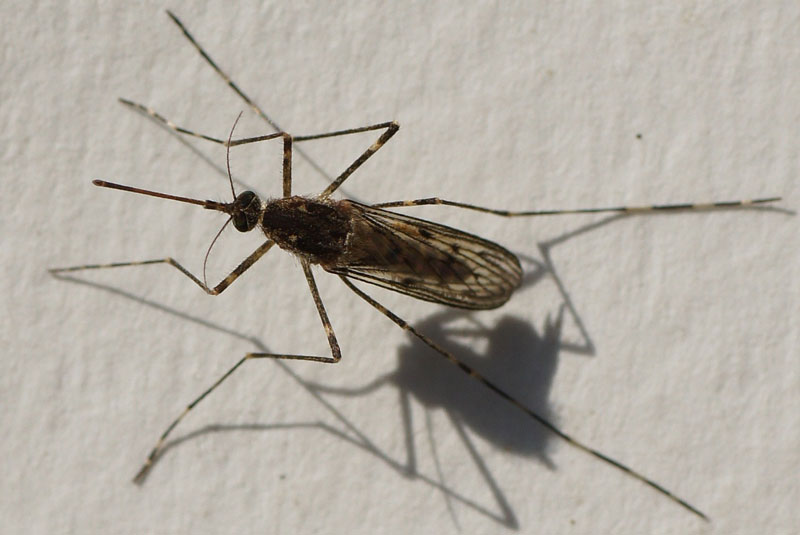
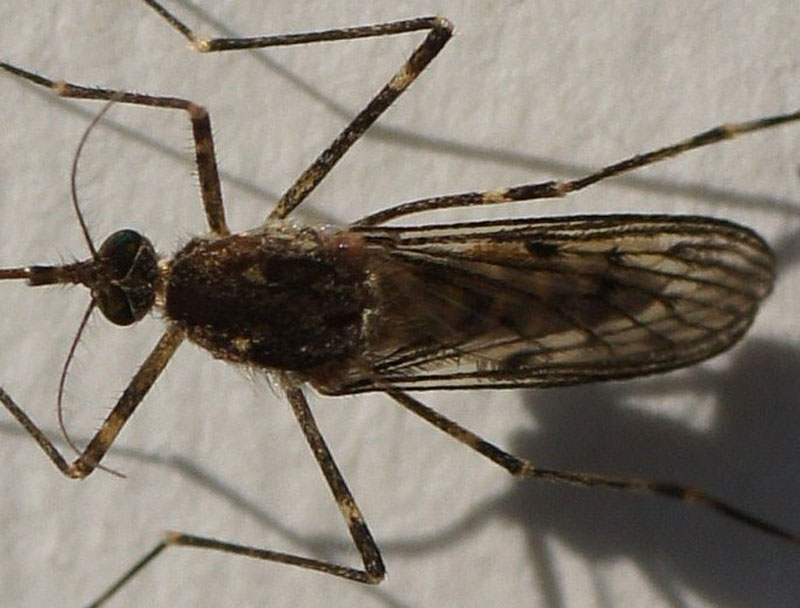
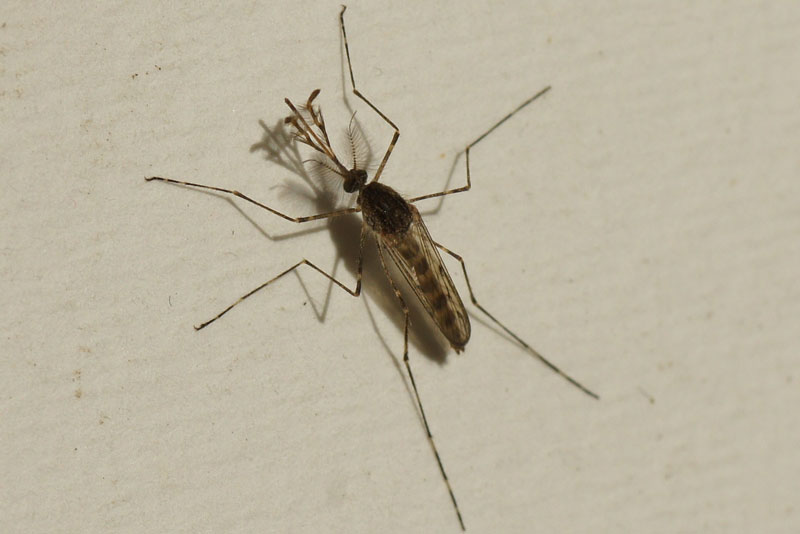
Gnats, mosquitoes, long-horned flies, midges,
.. (Nematocera)
Diptera - two-winged. In this order belong all flies (Brachycera) and
gnats, mosquitoes, crane flies, black flies, midges, long-horned flies (Nematocera).
In Dutch only two names Brachycera = vlieg and Nematocera =
mug. Much easier :-)
Gnats etc. look like slender
flies. Although some species such as some crane flies can be mistaken for wasps
and moth flies for small moths. A difference with flies are the antennae. The antennae of
gnats have many segments. The antennae of flies have always three segments.
All gnats have a snout. Most species don't bite (stabbing). The best known
biting species belong to the family mosquitoes
(Culicidae). |
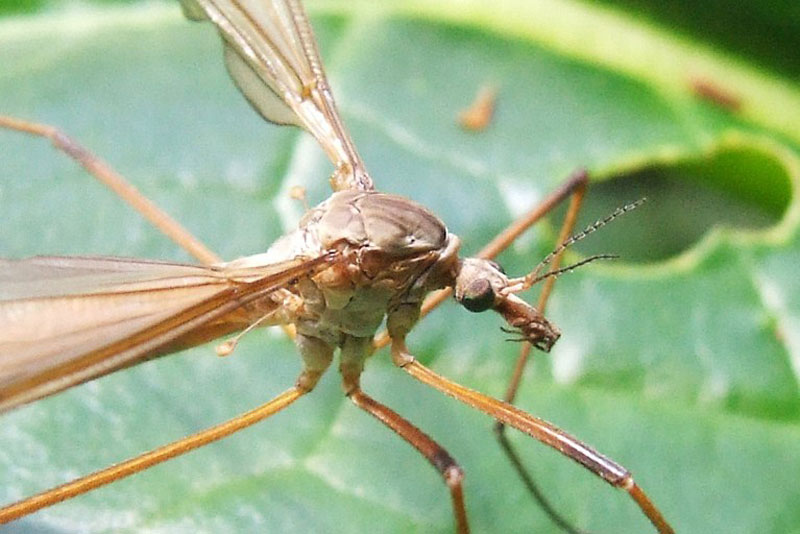
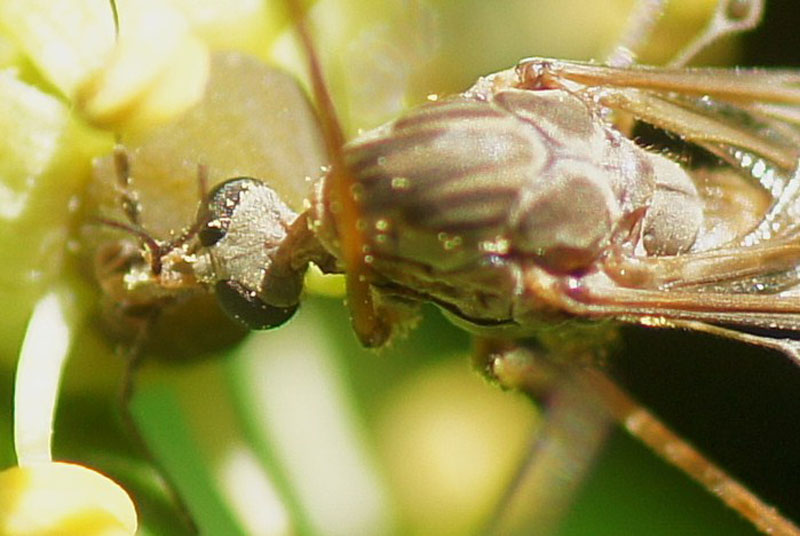
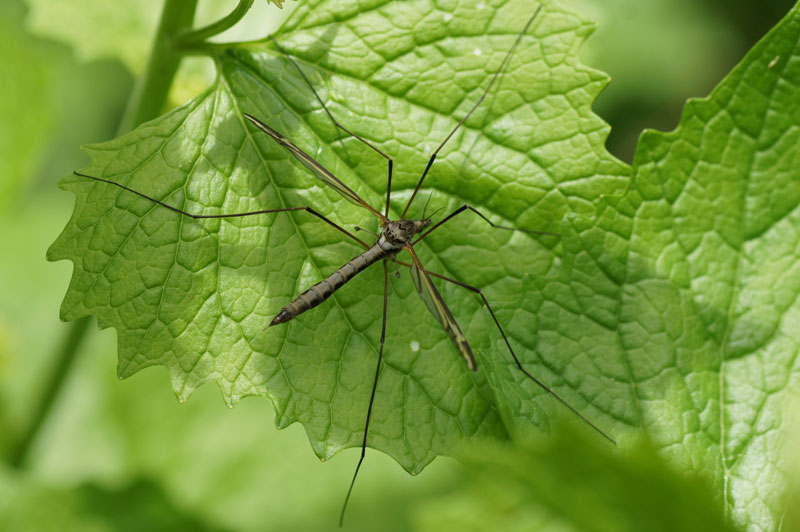
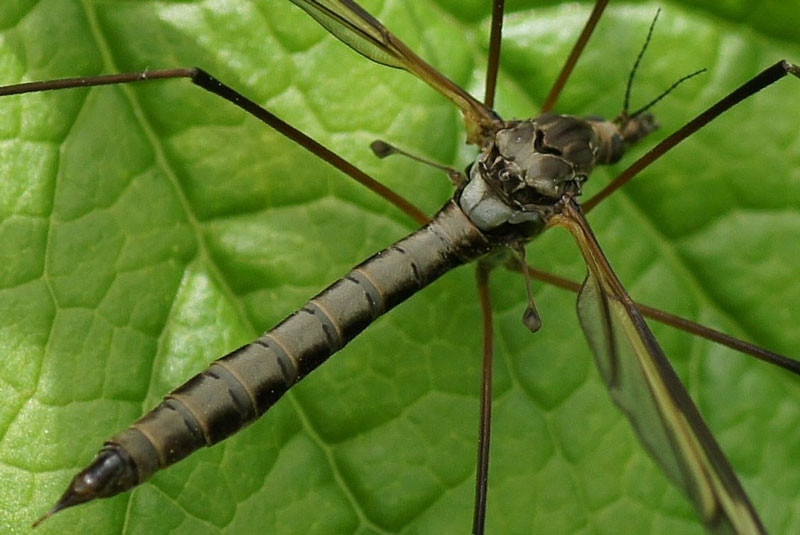
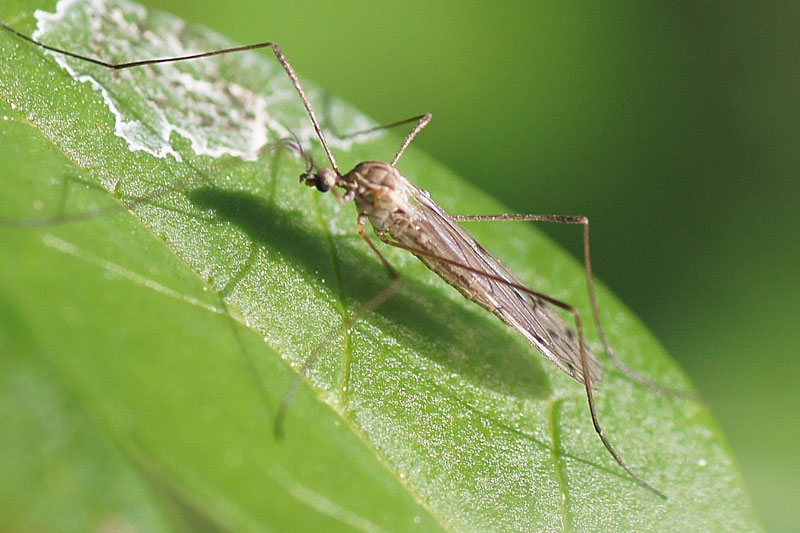
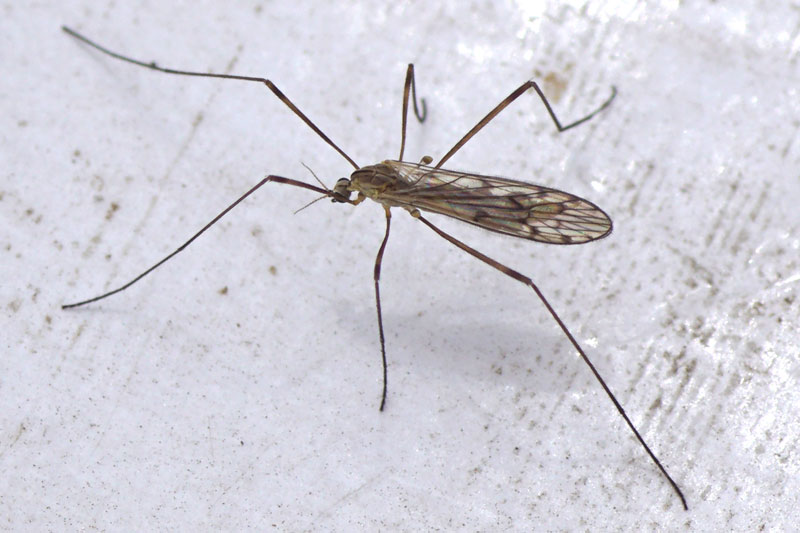
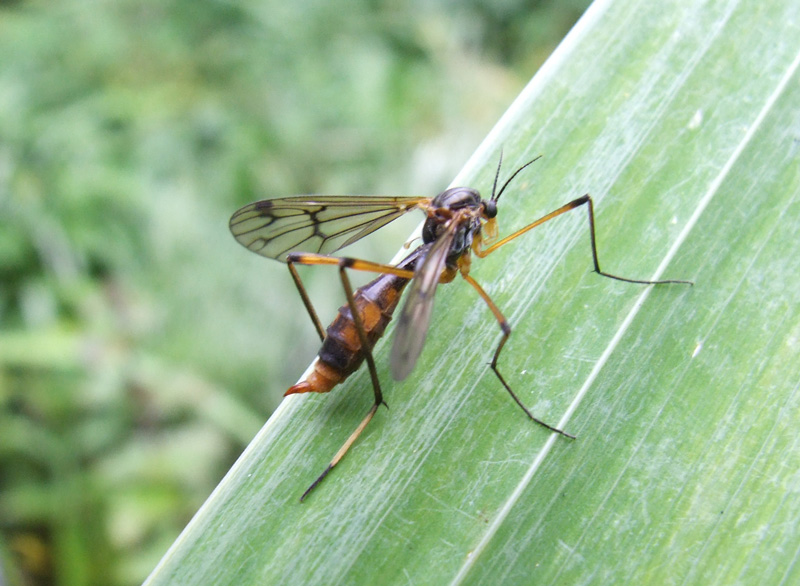
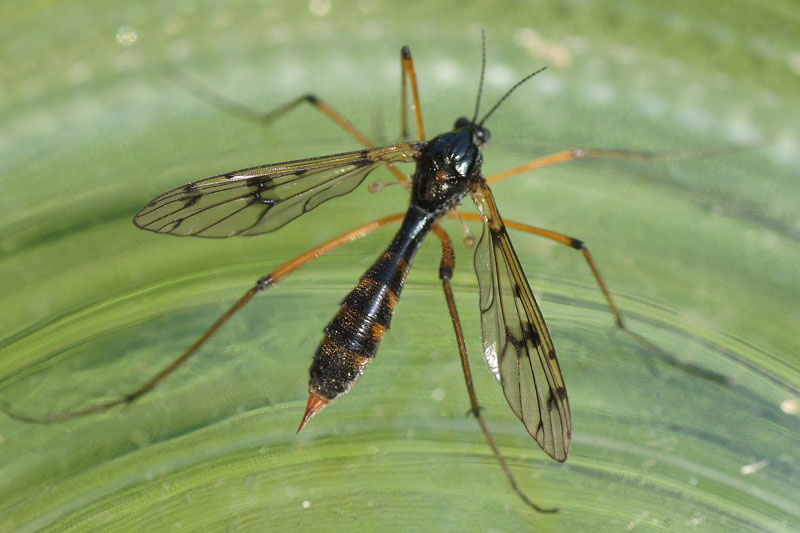
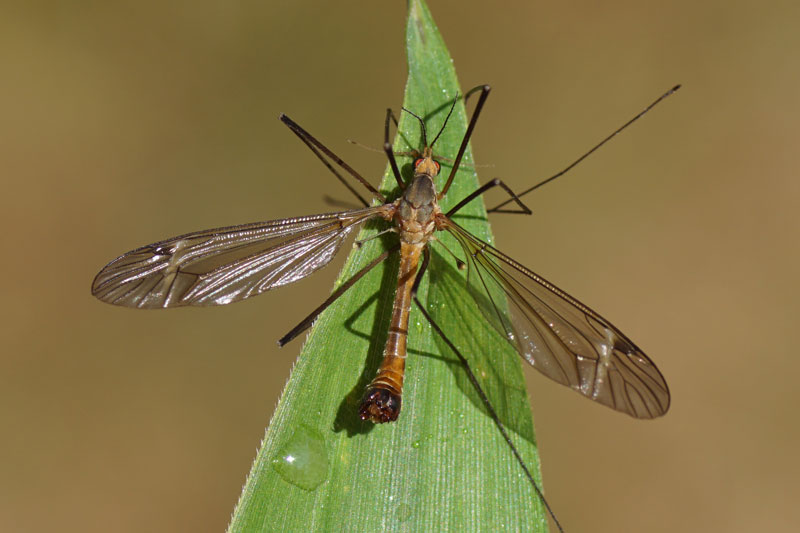
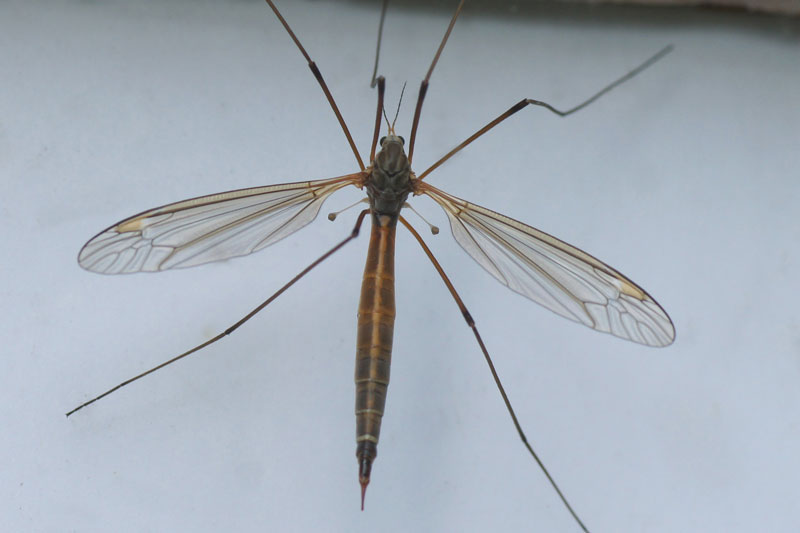
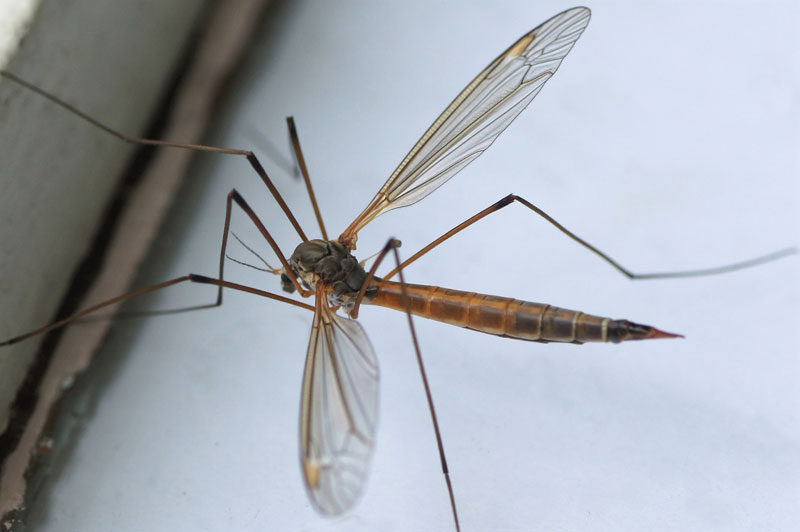
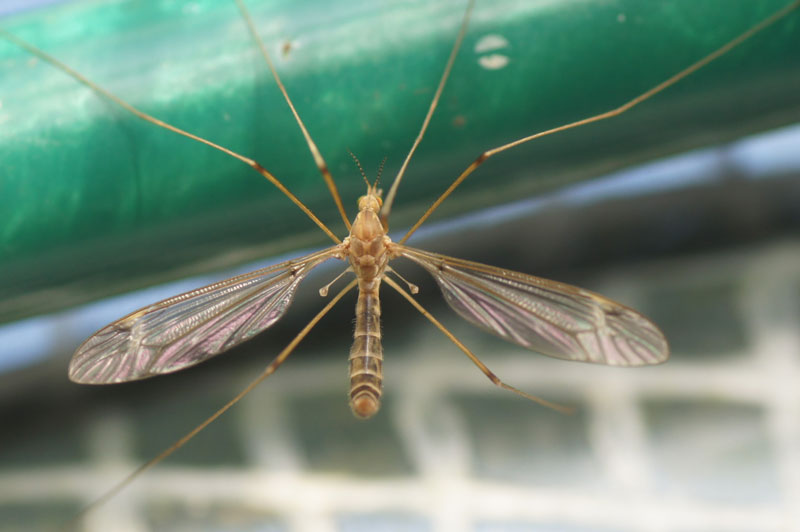
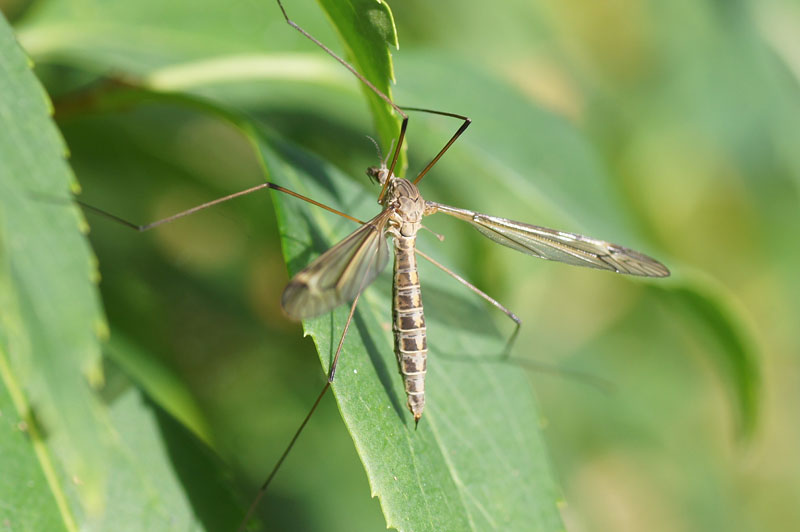
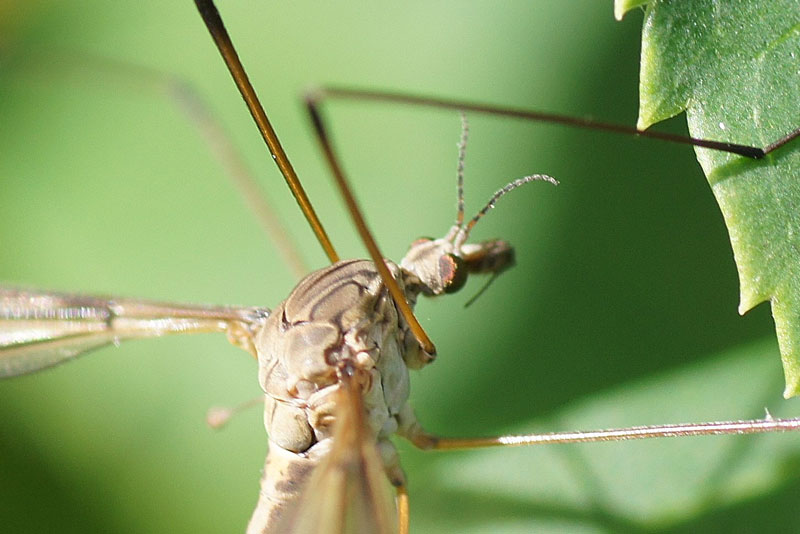
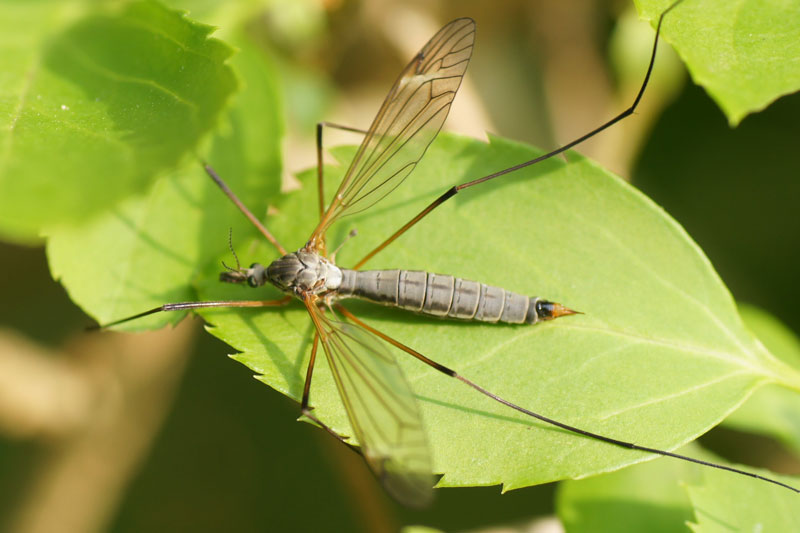
Crane flies (Tipulidae)
Crane flies (tipilidae). They
have a long and thin body and very long, thin legs. Subfamilies are
Tipulinae, Cylindrotominae and Limoniinae. They live in the same way.
The adult crane flies don’t eat or
eat only a little nectar. They live only
to mate and live not long.
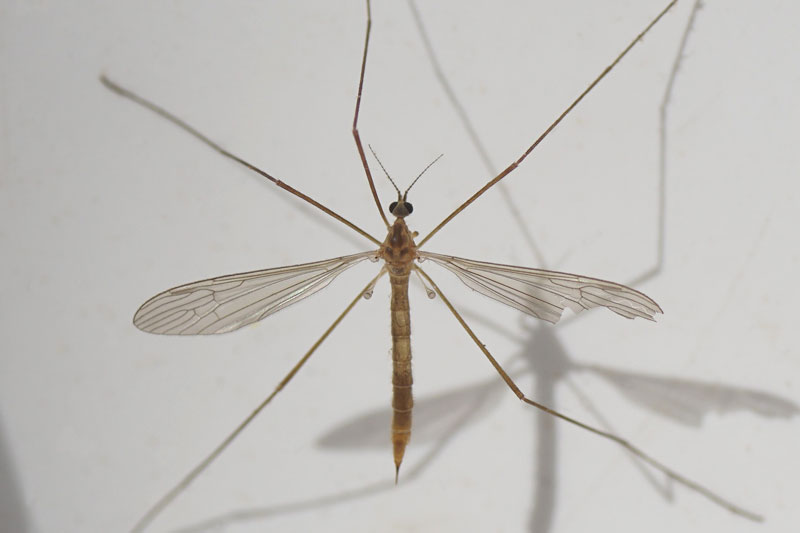
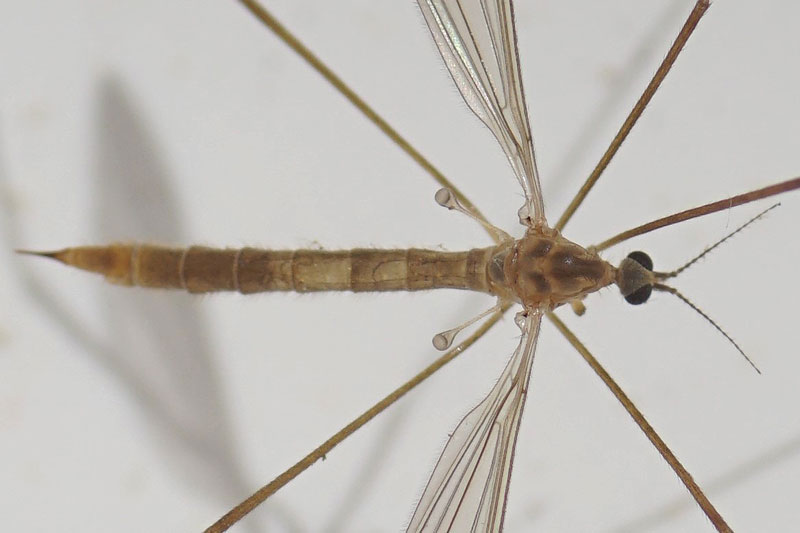
The female has a pointed tip which she uses to push her eggs into the soil.
The larvae
feed on the roots of plants. They can bee a pest because the damage to lawns. |
Website about Craneflies: Catalogue
of the craneflies of the world of Pjotr
Oosterbroek
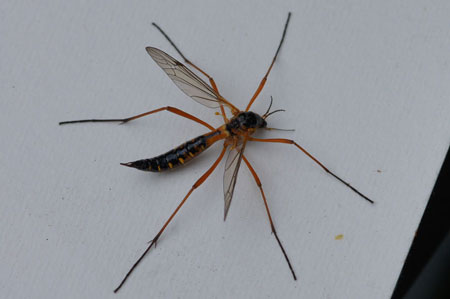 .. ..
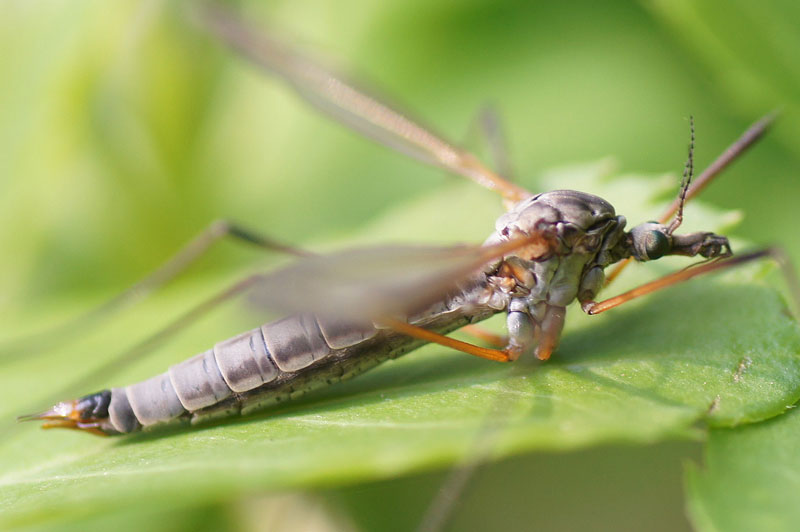
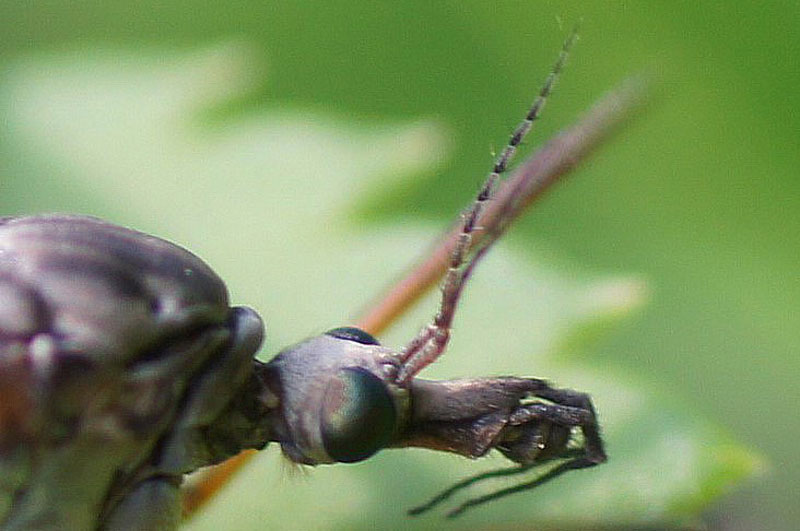
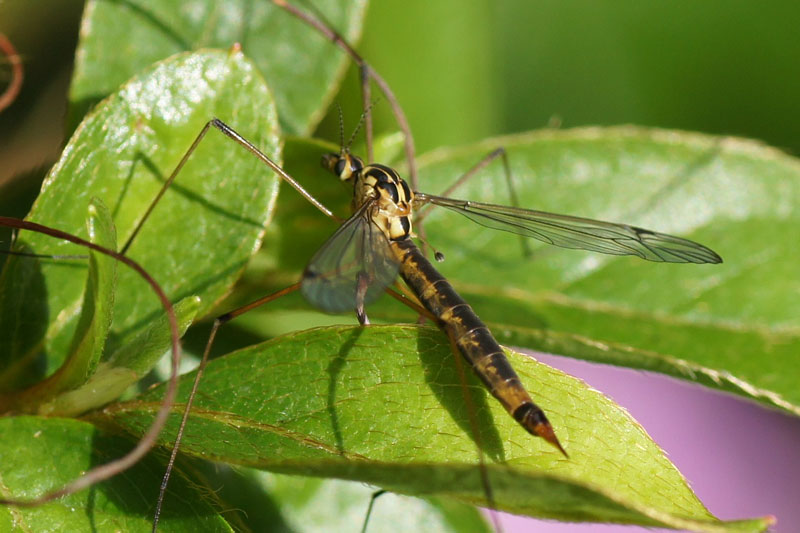
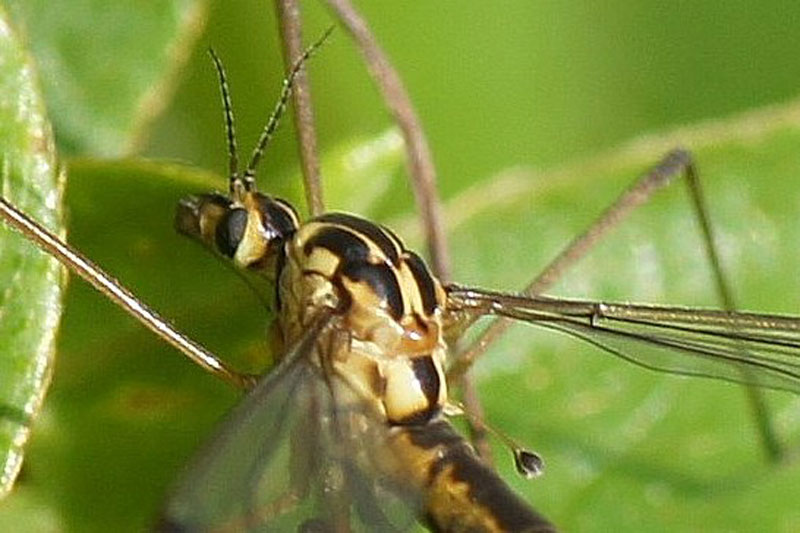
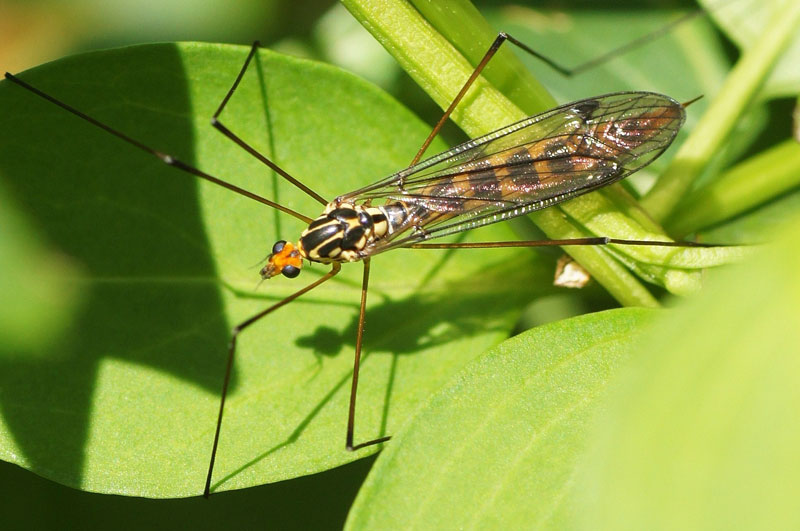
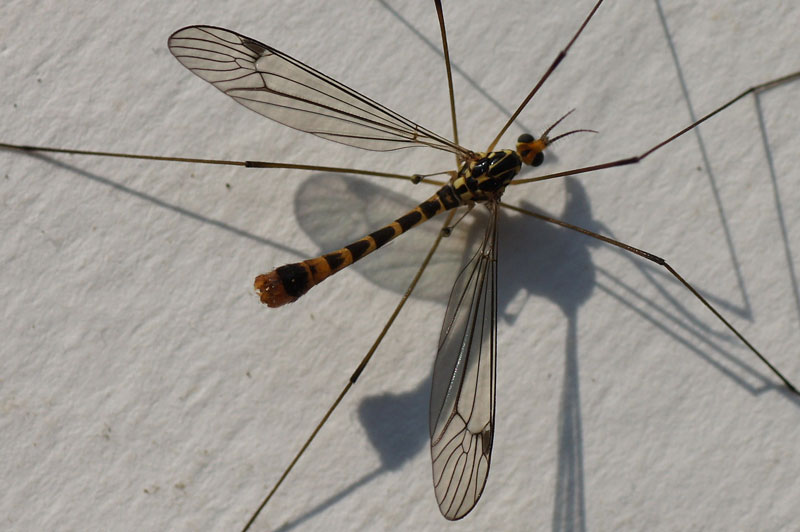
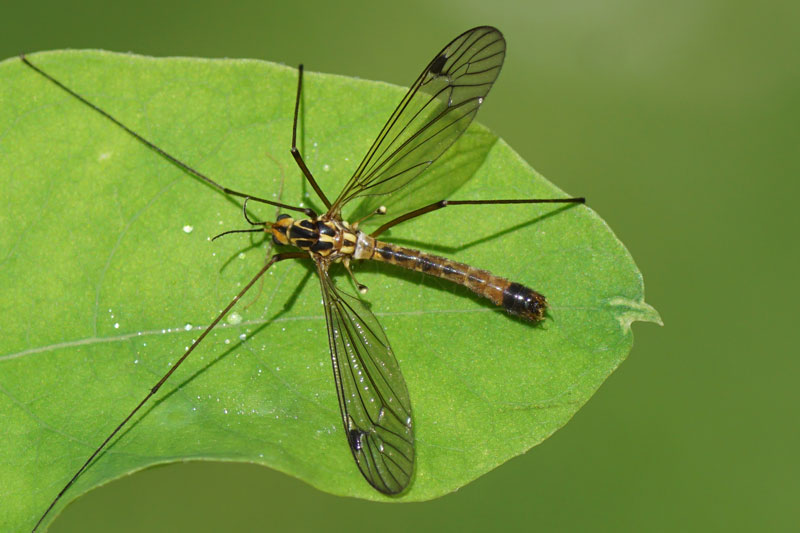
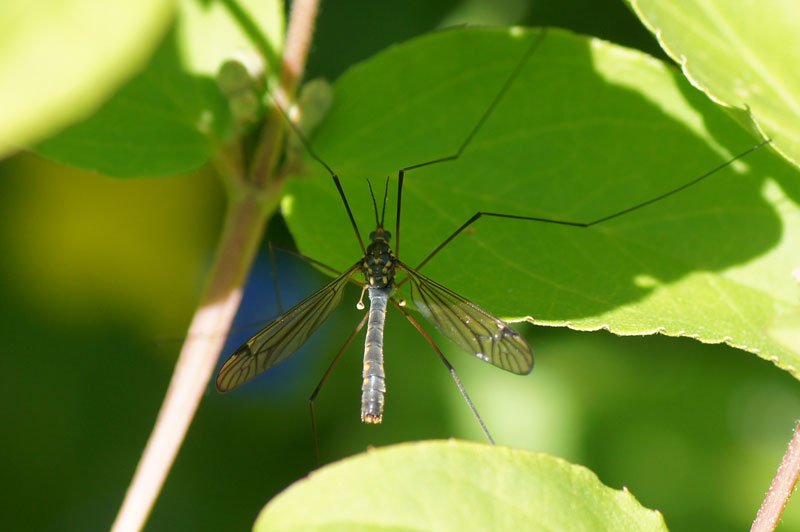
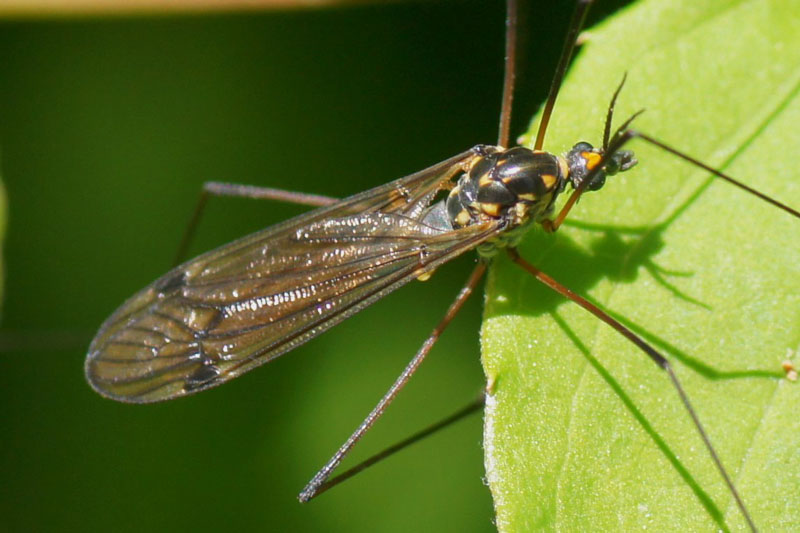
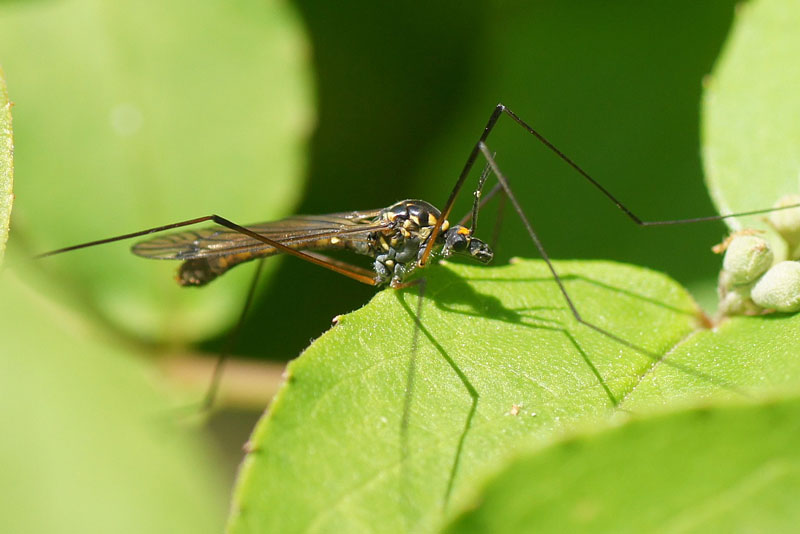
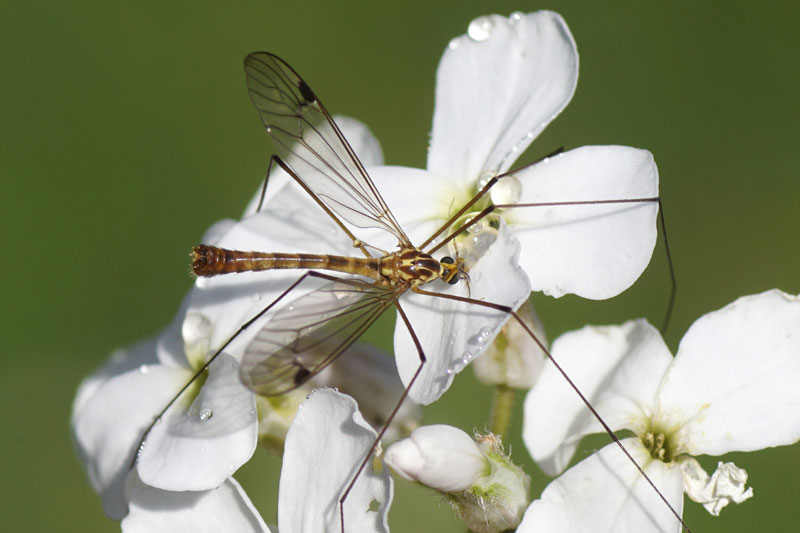
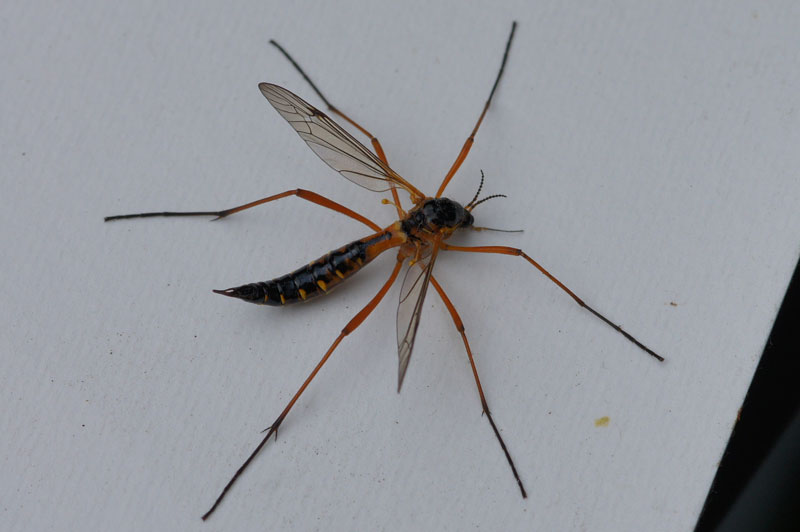
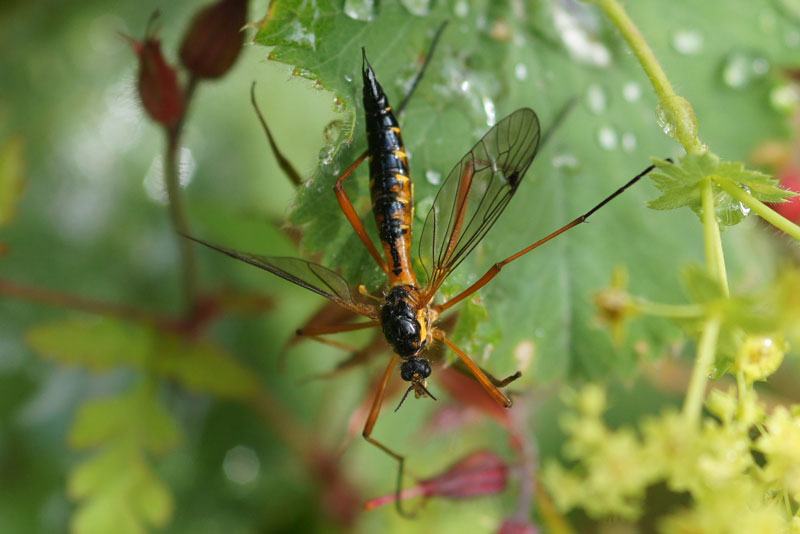
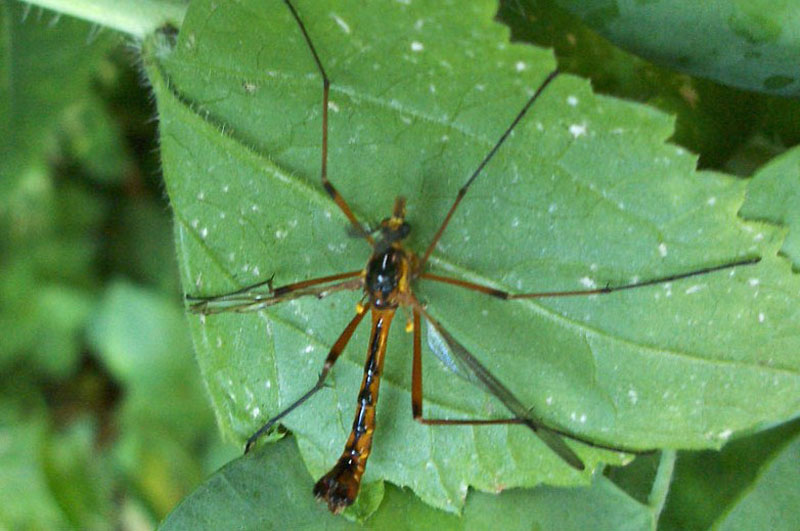
 Female.
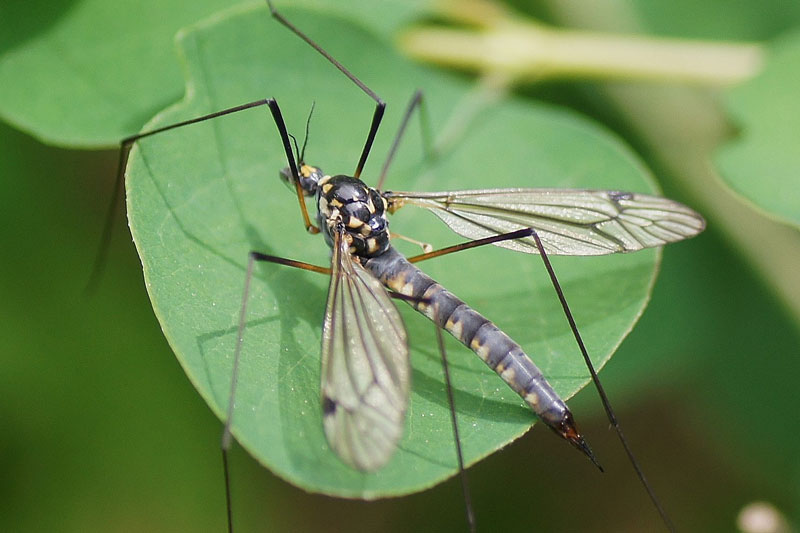
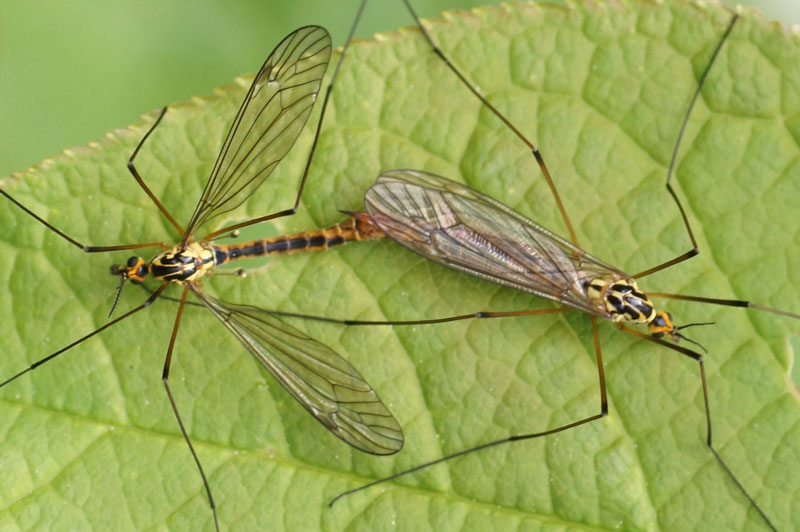
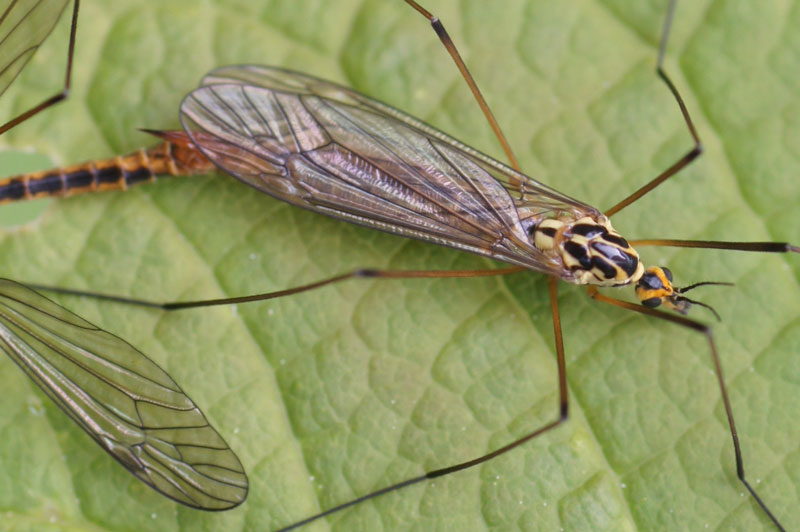
  Male. Ctenophora pectinicornis. Family Crane flies
(Tipulidae).
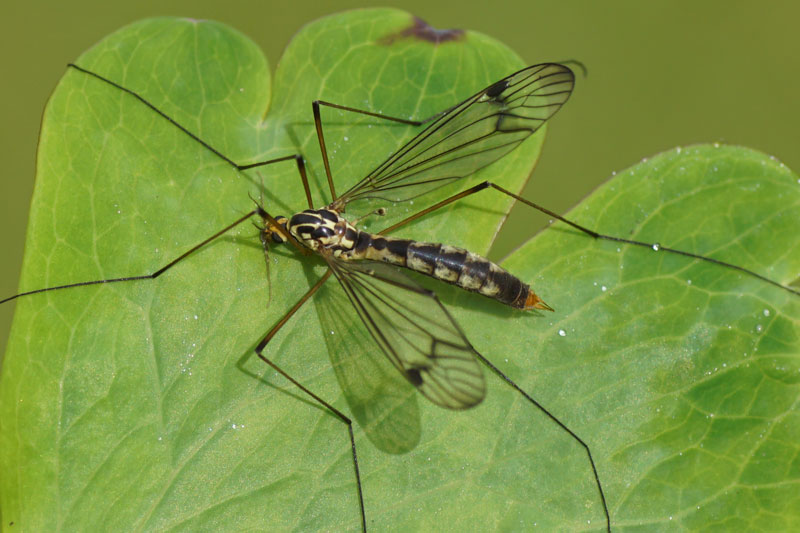
Male. Ctenophora pectinicornis. Family Crane flies
(Tipulidae).
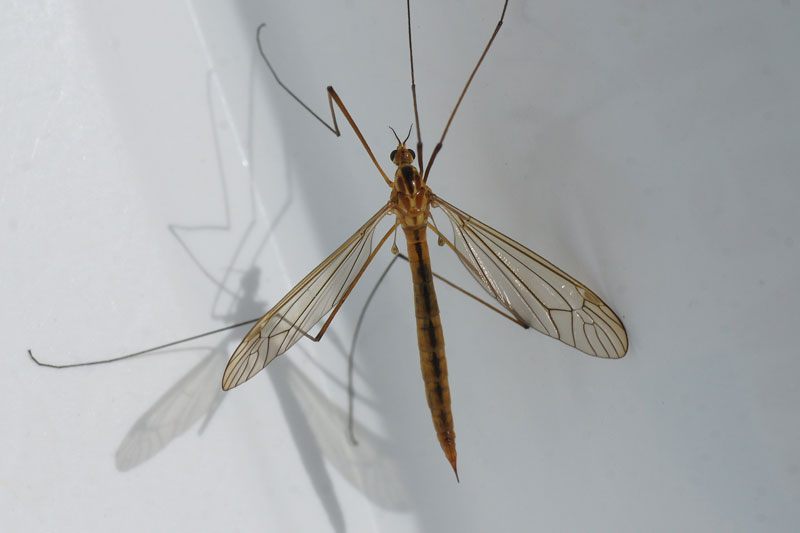
Length about 4 cm. This is a female. The female abdomen is pointed for laying eggs into the ground.
Photos 16-6-2011, 7-6-2009. |
 Tipula fascipennis. Family Crane flies (Tipulidae). Make
Oranje lichaam, licht grijsbruine thorax. Een witte band over de gehele breedte van de vleugel. Vrouwtje heeft een korte legboor.
Photo 14-6-2022. |
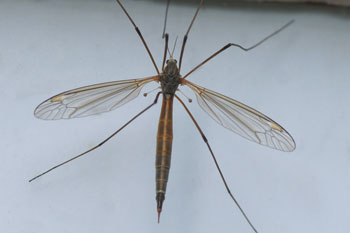 .. ..
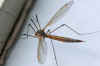 Tipula flavolineata. Family Crane flies
(Tipulidae).
Female. Tipula flavolineata. Family Crane flies
(Tipulidae).
Female.
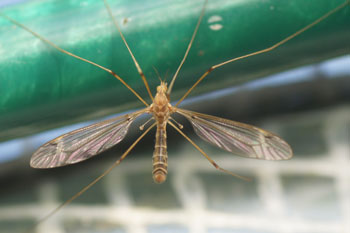
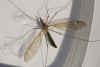
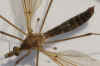
Tipula flavolineata has a light centerline over the
abdomen. Wing length 18-25 mm. May-September. Larvae in rotting wood.
Photos 18-5-2017. |
 .. ..
 . .
 . .
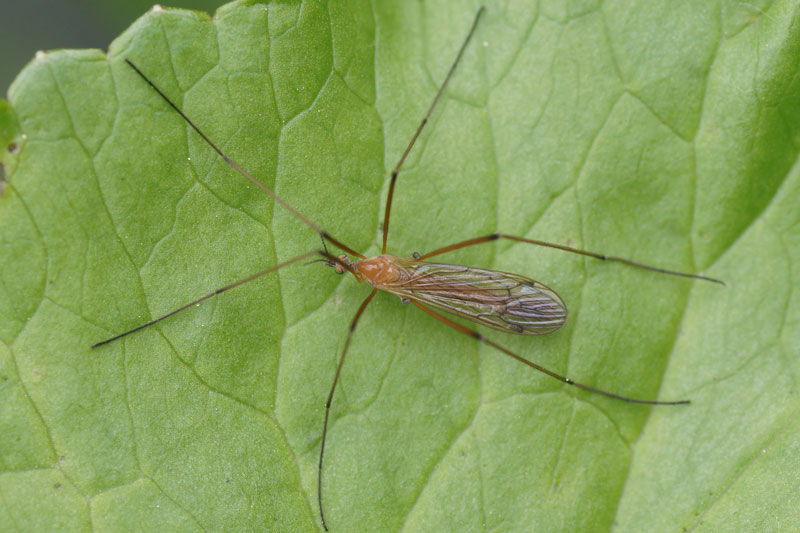
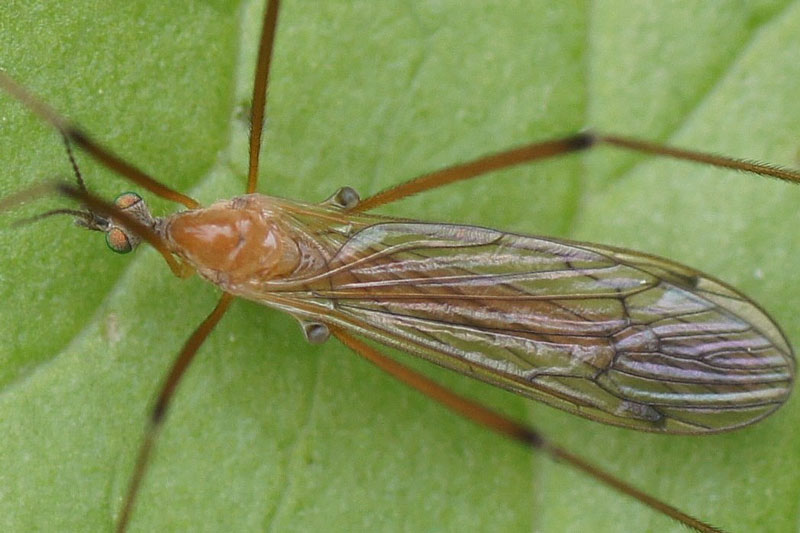
 Tipula helvola. Family Crane flies
(Tipulidae).
Male. Tipula helvola. Family Crane flies
(Tipulidae).
Male.
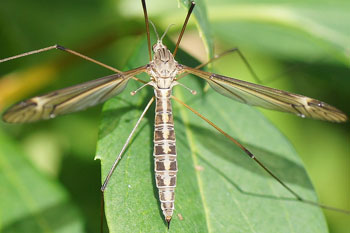
Tipula helvola is a relatively small species (wing length 12-16 mm), which is rare in the Netherlands. The
first antenna segments are brown. The other antenna segments are at the bottom dark. On the light brown or brownish gray thorax is in the middle a thin brown stripe.
In and near deciduous forest.
Photos 2-7-2016. |
 .. ..
 . .
 Tipula lateralis. Family Crane flies
(Tipulidae).
Female. Tipula lateralis. Family Crane flies
(Tipulidae).
Female.
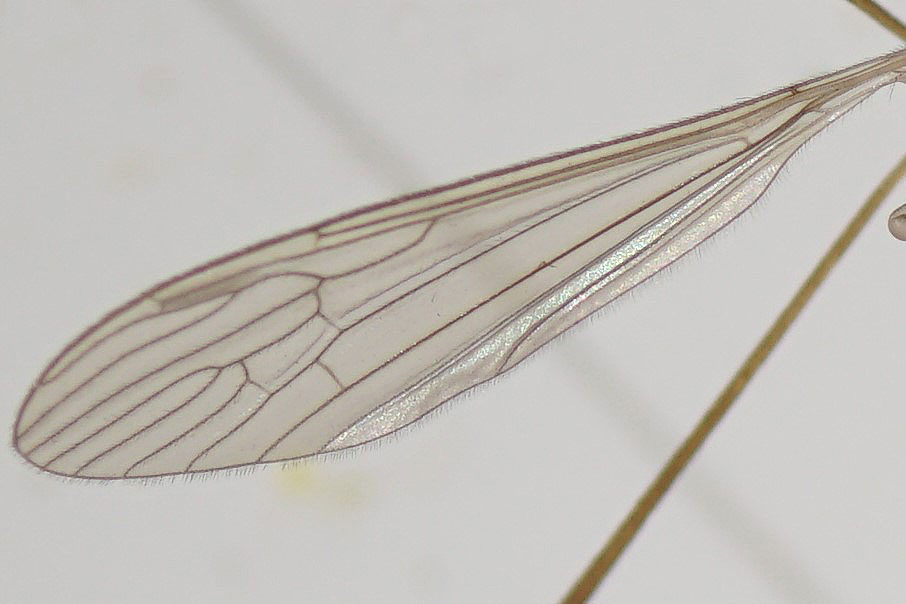
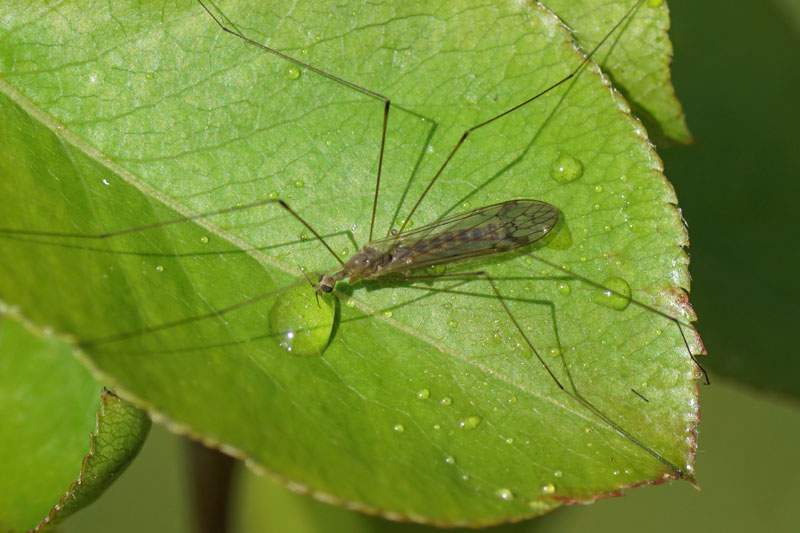
Tipula lateralis is distinguished by the light stripe that runs down the middle of the abdomen. On the chest is a black line, that starts just behind the eyes. It also has strikingly patterned wings. It is very similar to the
(in the Netherlands rare) Tipula couckei. The larvae feed on decaying plants on the bottom of the ponds or streams. The length is about 13 mm for males and 16 mm for
females.
March - October. Palaearctic.
Photos 9-9-2015. |
 .. ..
 . .
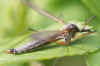 . .
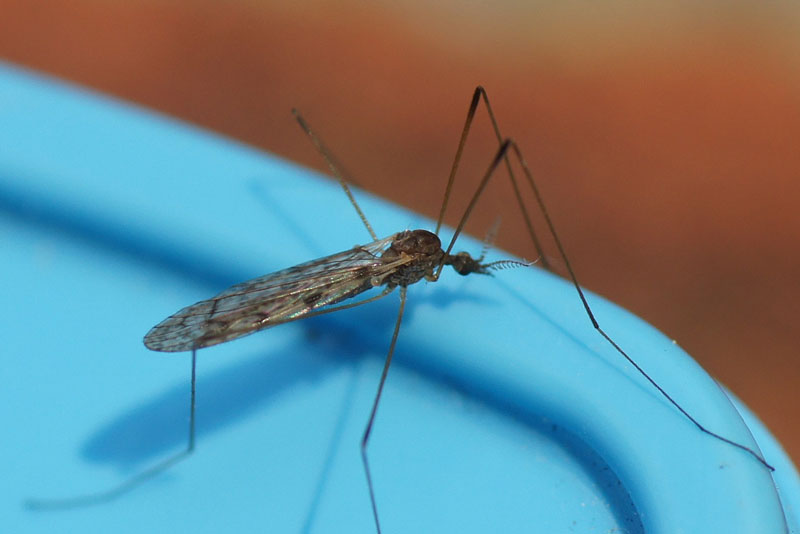
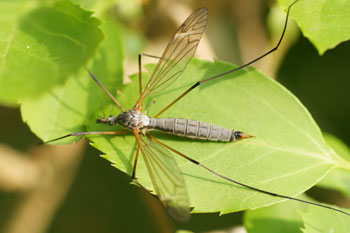
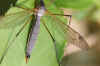
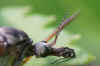 Tipula luna. Family Crane flies
(Tipulidae).
Female. Tipula luna. Family Crane flies
(Tipulidae).
Female.
A crane fly with a gray to blue-gray abdomen with short dark narrow midline on the middle segments (segments 3 sometimes 2 to 6) and with a dark sidebar. The side edges of the
abdomen are tan to white. The thighs are largely dark or only at the top. The
ovipositor is shiny light brown with a dark basal half.
Palaearctic.
Foto's 6-5-2017. |
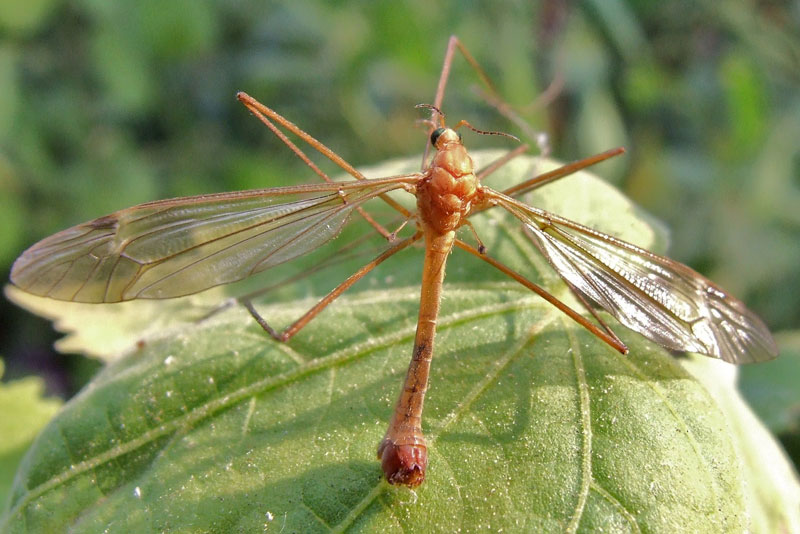
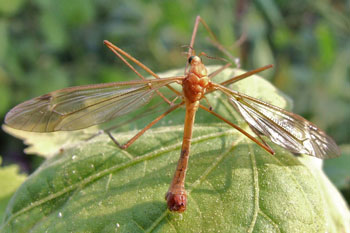 Tipula lunata. Family Crane flies
(Tipulidae).
Male. Tipula lunata. Family Crane flies
(Tipulidae).
Male.
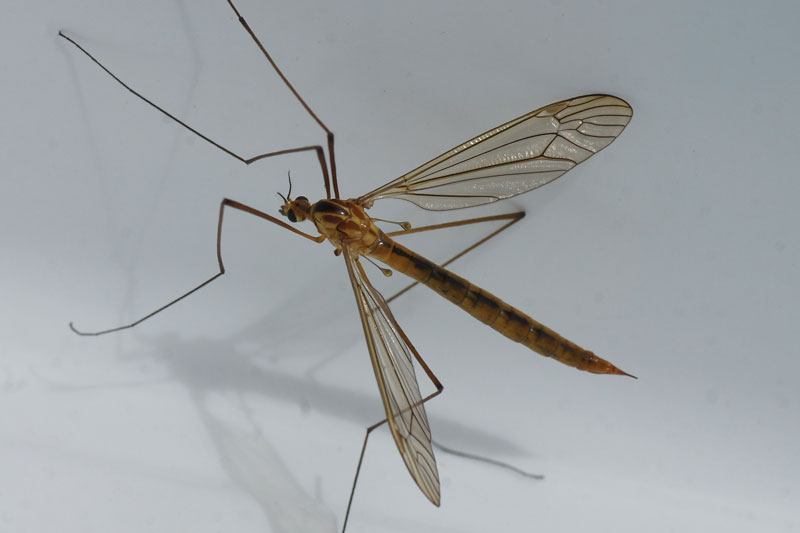
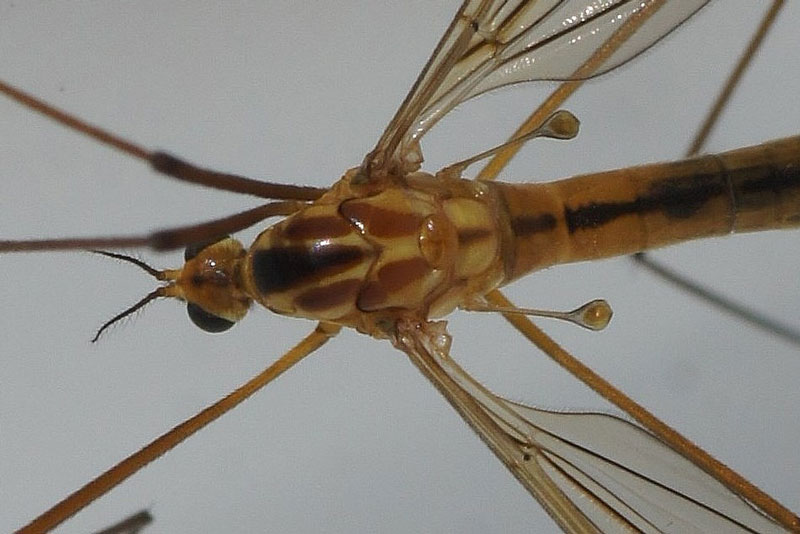
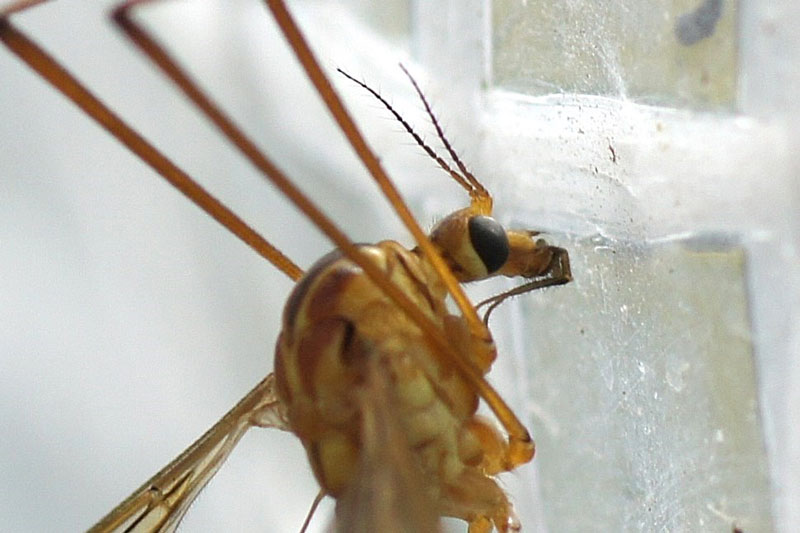
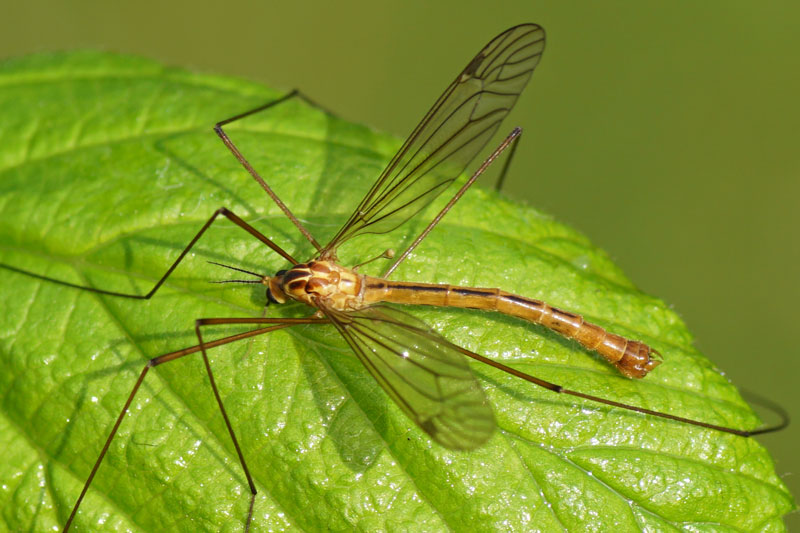
I found it in a spider web. A striking orange colored
crane fly. Tipula lunata is similar to Tipula cava.
Palaearctic. Photo's 10-5-2011. |
 .. .. 
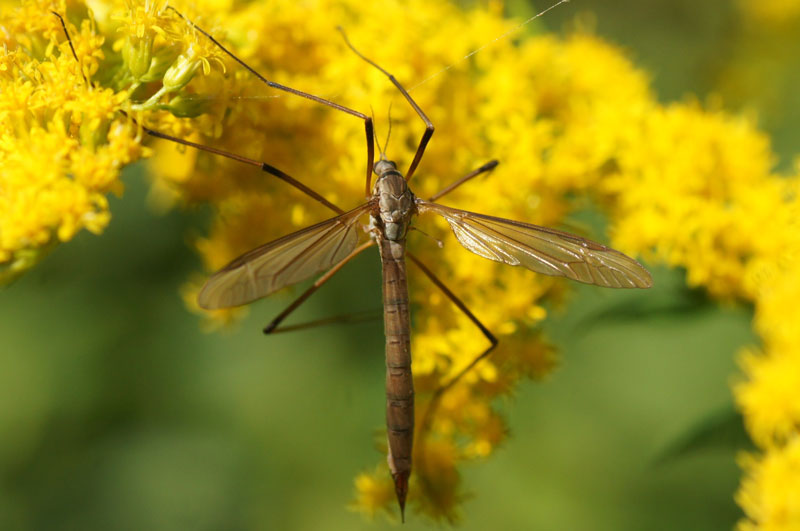
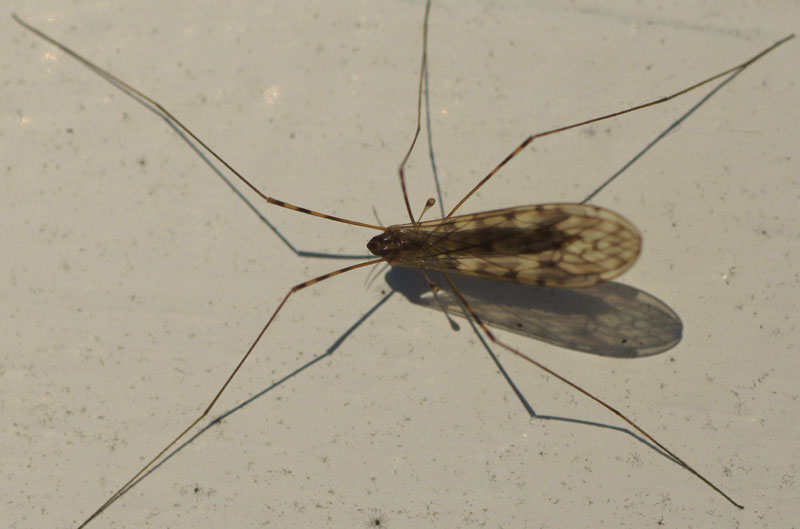
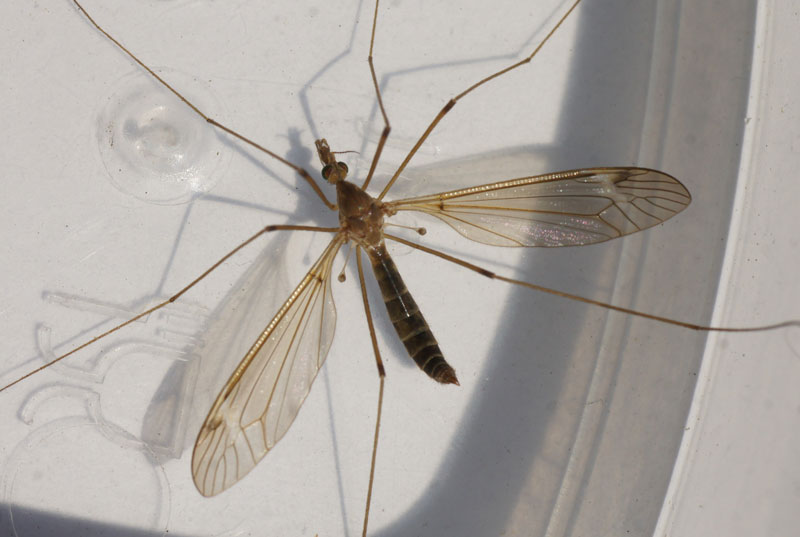
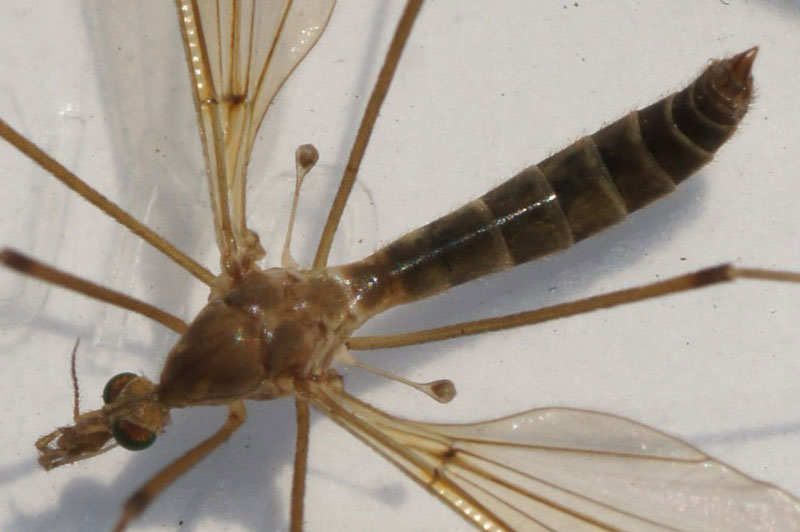
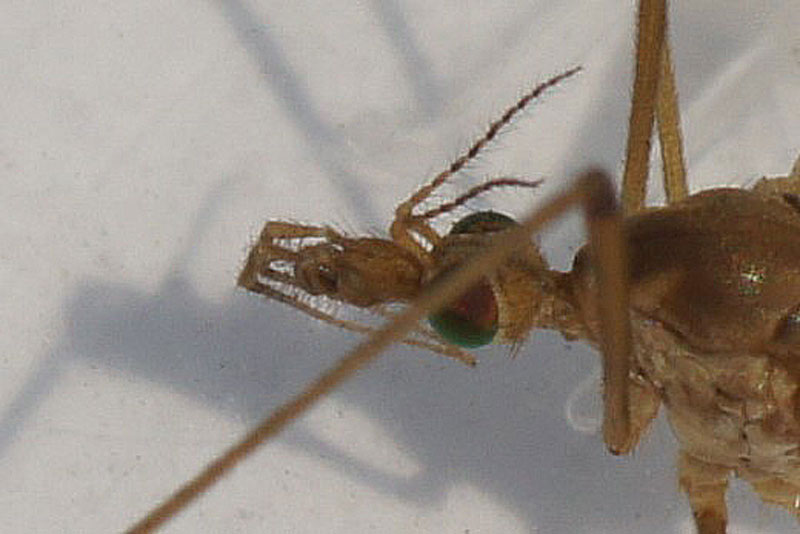
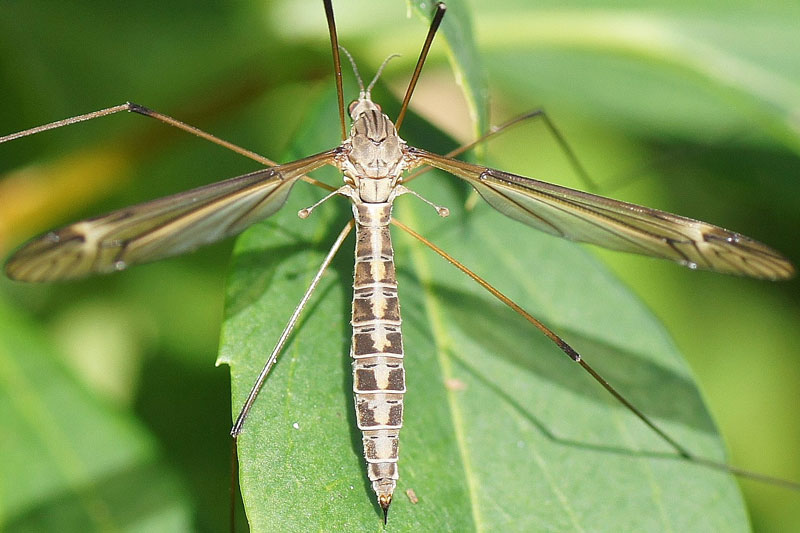
Tipula paludosa. Family Crane flies (Tipulidae).
Female.
This species has 14 segments of the antenna. De Tipula oleracea is very
similar, but has 13 segments. In T.paludosa female abdomen is longer than the wings
T. oleracea (not shown in this picture).
The wings are not folded in rest.
April - October, but most common in autumn.
Length: 12-17 mm.
Photos 15-9-2012.
 Photo 13-9-2008.
|
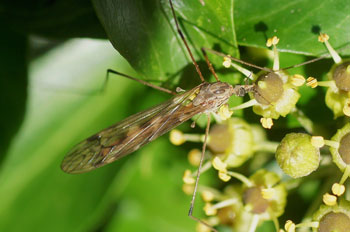 .. ..  . .
 Tipula rufina. Family Crane flies
(Tipulidae). Female Tipula rufina. Family Crane flies
(Tipulidae). Female
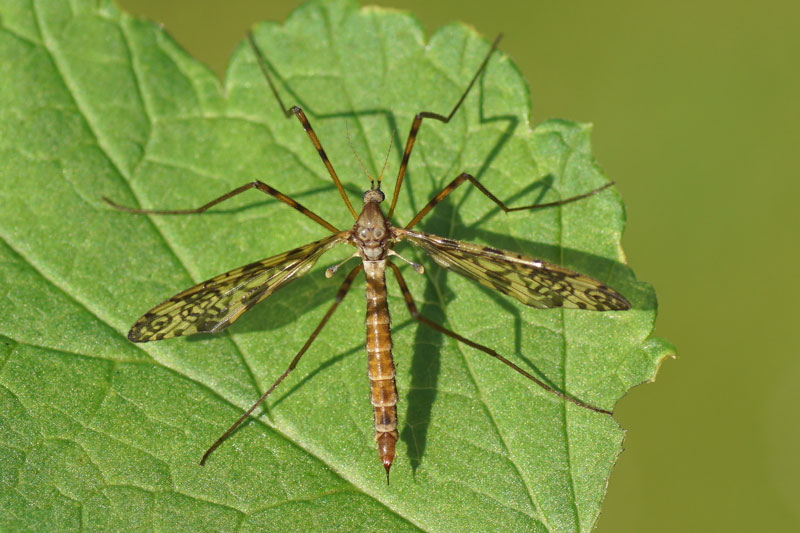
A Tipula with spotted wings and a black stripe on the side of the thorax. The wings are folded on the body.
April - November.
Photos 14-9-2012. |
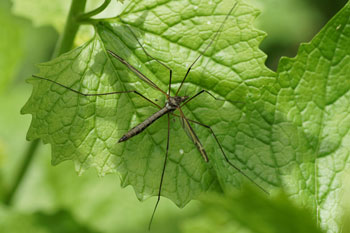 .. ..
 Tipula vittata. Family Crane flies
(Tipulidae). Female. Tipula vittata. Family Crane flies
(Tipulidae). Female.
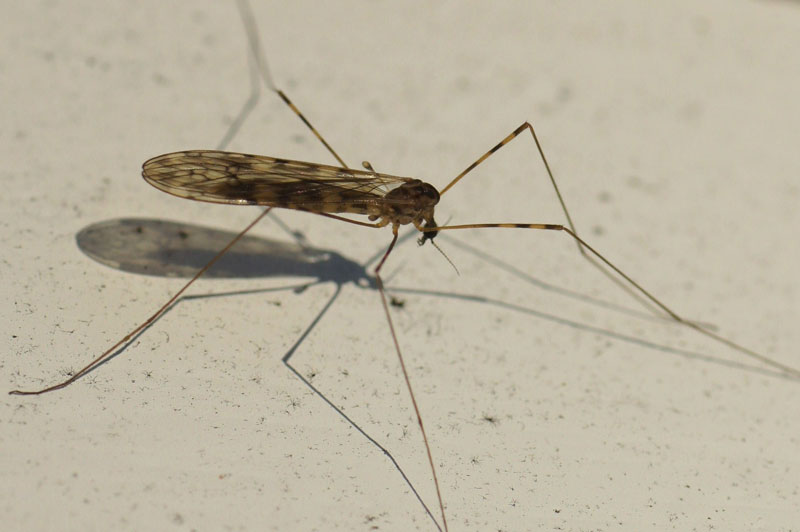
The Tipula vitata has a brownish-gray abdomen with at the side dark spots.
The patterned wings, which are unfolded at rest, have light and dark spots. Unfortunately
not very well visible in this picture. It looks like the Tipula maxima, but the
pattern on the wings is different.
The larvae live in boggy areas. In our garden maybe near the pond.
April - June. Photos 21-5-2013. |
 Female.
  . .
 Male.
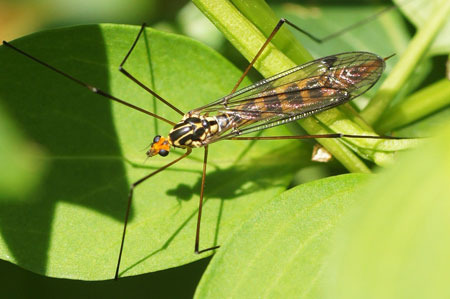
Nephrotoma flavipalpis. Family Crane flies (Tipulidae).
Male.
Nephrotoma flavipalpis. Family Crane flies (Tipulidae).
It's a crane fly with long slender legs. Black with yellow. The wings are folded on the body.
Sometimes the wings are not folded. Than you can see how beautiful it is.
Palearctic area.
Photo 15-7-2012, 2-10-2011. |
 Male.
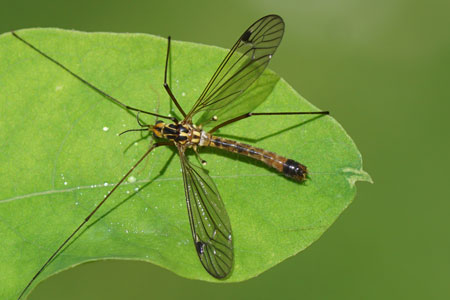
Nephrotoma
guestfalica.
Family Crane flies (Tipulidae).
Male.
Nephrotoma
guestfalica.
Family Crane flies (Tipulidae).
Photo
15-6-2024. |
 .. ..
 . .
 Male.
Male.  Female.
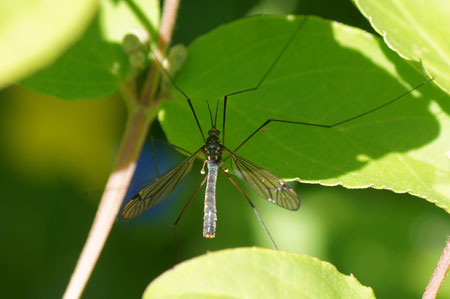
Nephrotoma pratensis. Family Crane flies (Tipulidae).
Female.
Nephrotoma pratensis. Family Crane flies (Tipulidae).
De thorax is dark grey, black with yellow. On the side of the abdomen are
yellow spots. Photos 2-6-2013, 26-5-2014. |
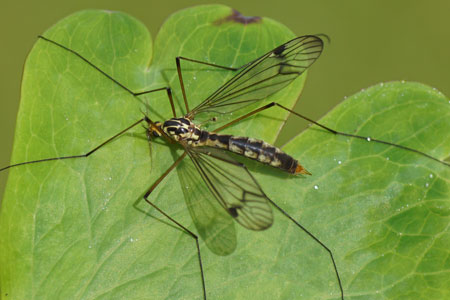 Female.
  male Nephrotoma quadrifaria.
Family Crane flies (Tipulidae).
male Nephrotoma quadrifaria.
Family Crane flies (Tipulidae).
The drawing of the thorax is similar to that of the Nephrotoma flavipalpis. The abdomen are
also dark with yellow spots, but it's not the same pattern.
Europe, Iran. Photos15-7-2013, 23-5-2024. |
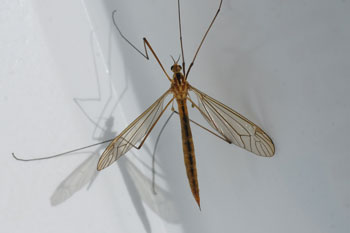 .. ..
 . .
 . .
 female female
 male Nephrotoma
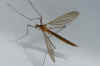
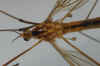
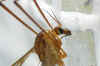
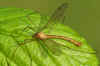
scurra. Family Crane flies (Tipulidae). Female. Photos 1-1-2015.
male Nephrotoma
scurra. Family Crane flies (Tipulidae). Female. Photos 1-1-2015.
|
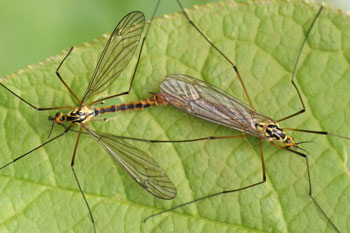 .. ..
 Nephrotoma submaculosa. Family Crane flies
(Tipulidae). Photos taken in the dunes
about 4 km from our house. Photos 17-5-2017.
Nephrotoma submaculosa. Family Crane flies
(Tipulidae). Photos taken in the dunes
about 4 km from our house. Photos 17-5-2017.
|
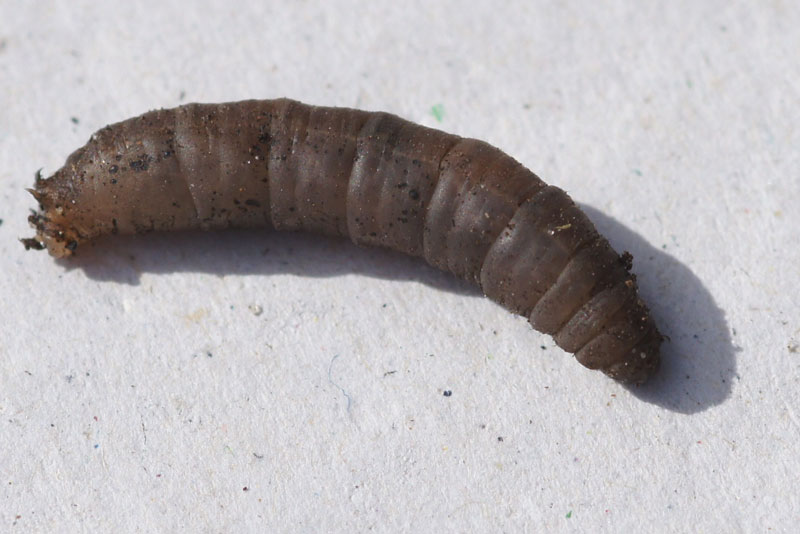
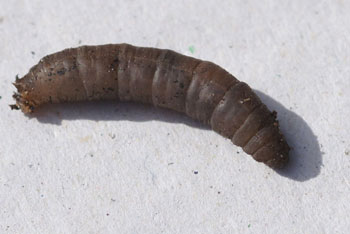 .. .. 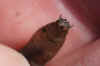 Larva of a tipula. I don't know the species. Larva of a tipula. I don't know the species.
Tipulidae larvae can be identified by the 6 lobes on the abdomen at the
posterior end. Limoniidae larvae have fewer lobes.
Photo 9-4-2011. |
Other gnats (Nematocera)
Wood Gnats (Anisopodidae)
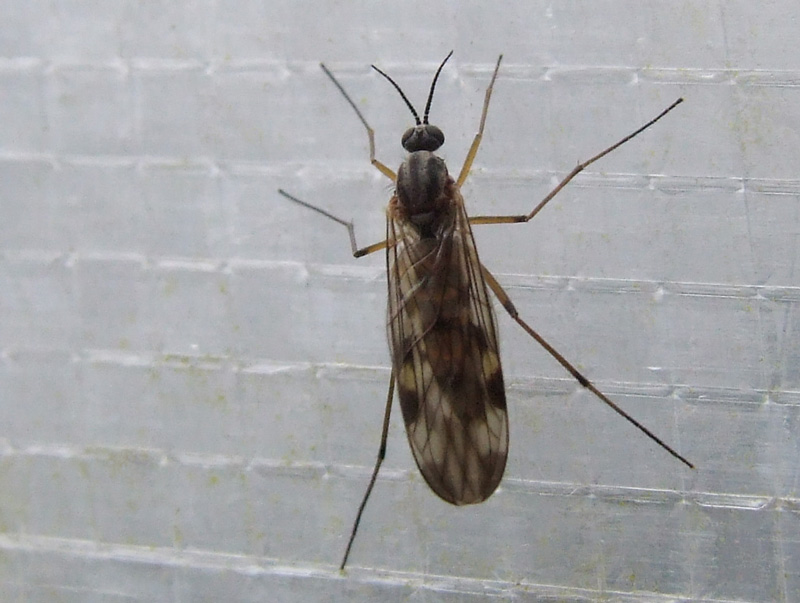
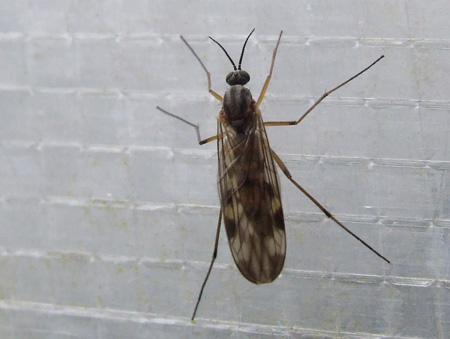 Window Gnat Sylvicola spec. Family
Anisopodidae. Window Gnat Sylvicola spec. Family
Anisopodidae.
Another long legged fly. It is related to the
family Chironomidae (Non-Biting Gnats or Midge Flies).
No fear, it is a non-biting gnat.
I don't know wich species. A common window gnat is Sylvicola fenestralis. In
the Netherlands are six species (Sylvicola cinctus, Sylvicola fenestralis, Sylvicola
fuscatus, Sylvicola punctatus, Sylvicola stackelbergi, Sylvicola
zetterstedti).
They have 16 segments of the antenna.
They have got their name because they are attracted to light especially
illuminated windows.
Their colour also can be reddish.
This photo is from March 2009.
The larvae lives of vegetable waste. German: Fenstermücken. |
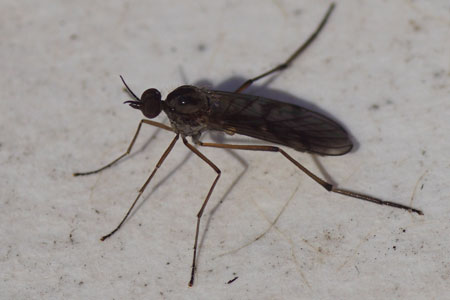 Window Gnat
Sylvicola punctatus.
Family Anisopodidae.
Window Gnat
Sylvicola punctatus.
Family Anisopodidae.
Compared to the window gnat above, you can see that the tip of the wings isn't dark. Photo
5-11-2023. |
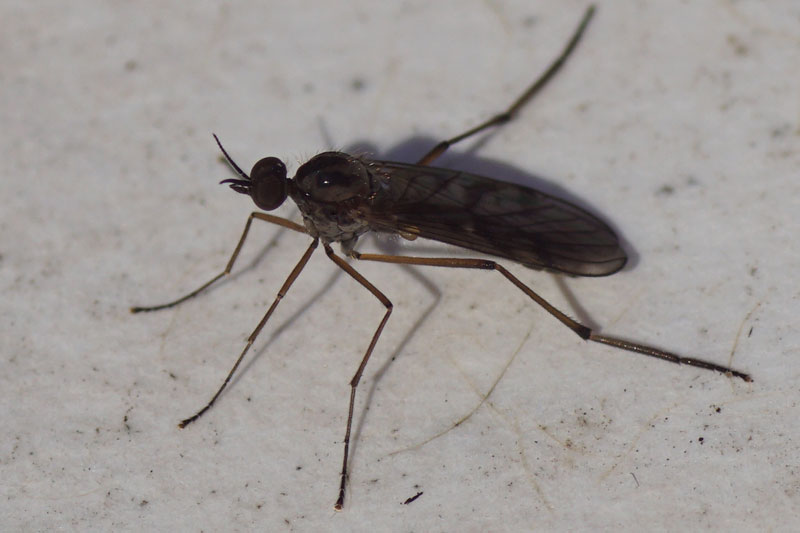
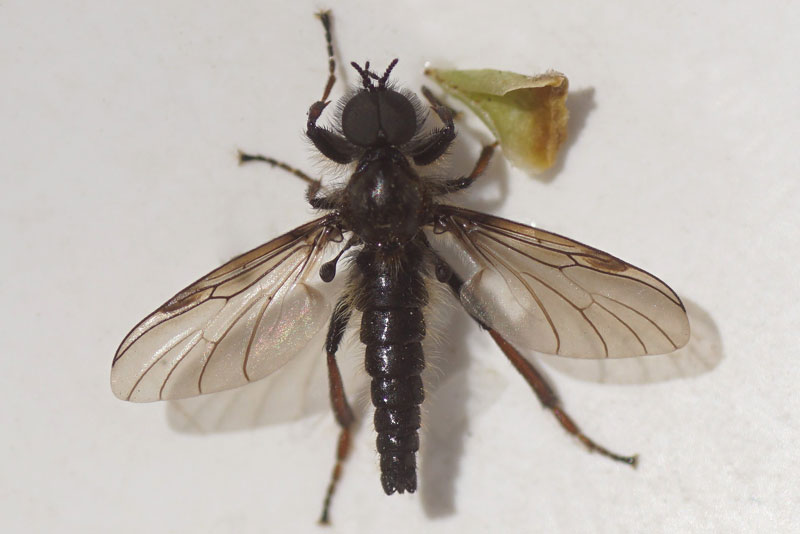
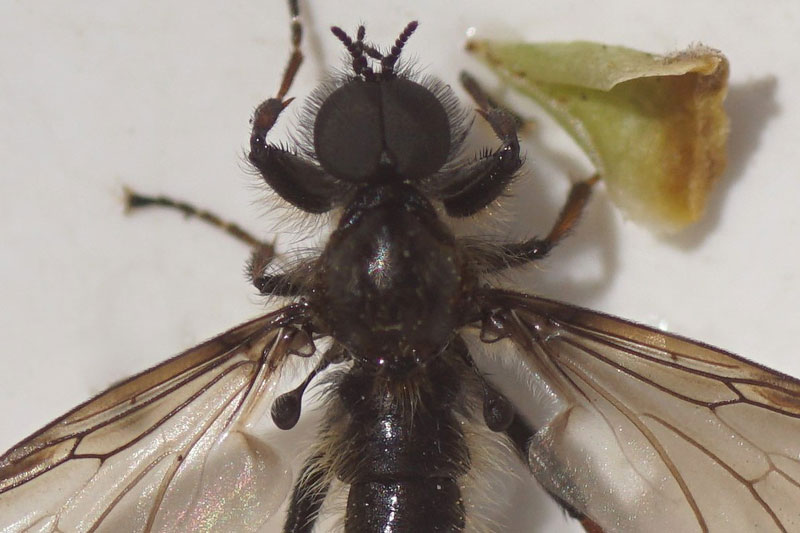
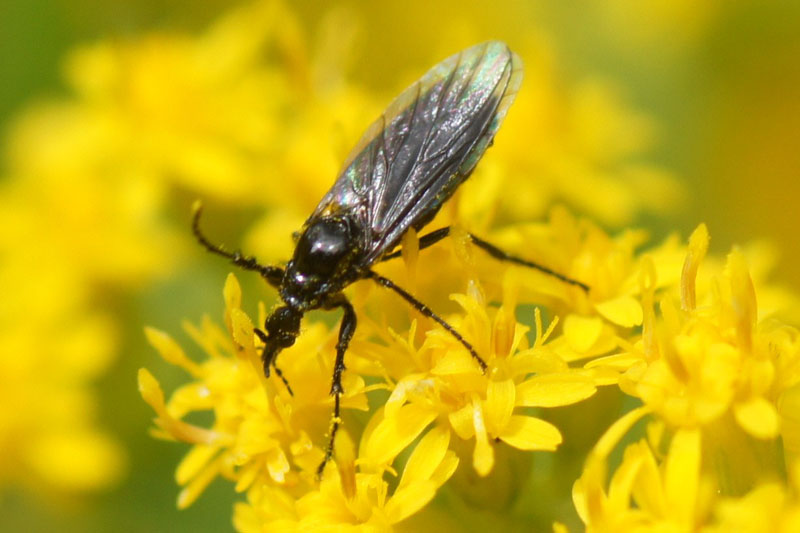
Bibionidae
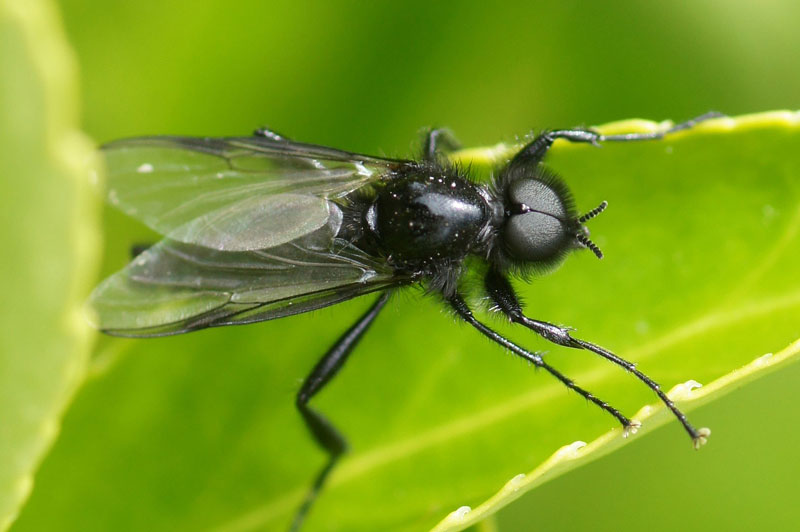
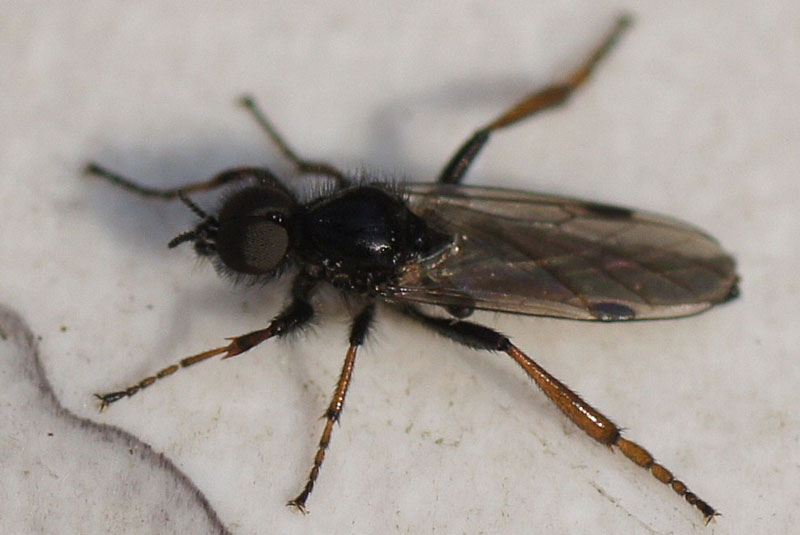
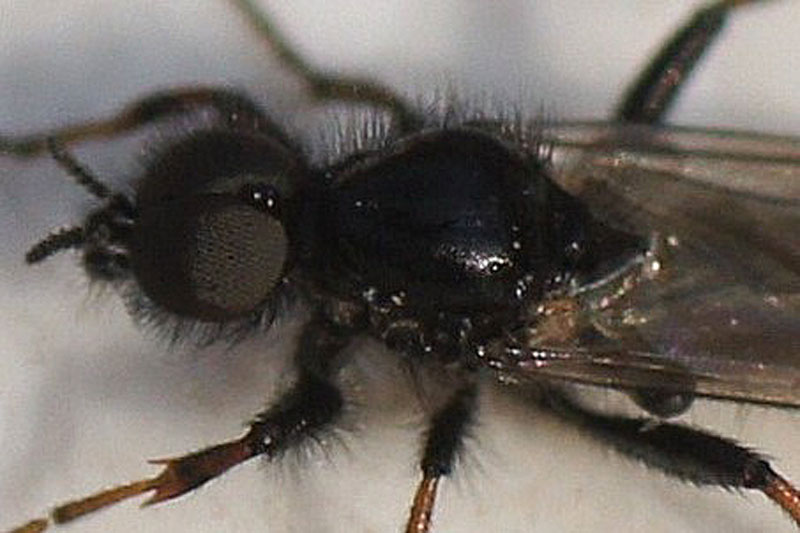
St Mark's flies are no flies. You can see them in the early spring (often in groups). The males have larger
bulbous eyes than the females.
The larvae feed on decaying organic matter and
on the roots of grasses.
 .. ..
 Male.
Male.  Female. St Mark's fly (Bibio marci). Family
Bibionidae.
Female. St Mark's fly (Bibio marci). Family
Bibionidae.
Leading edge of wing darkened, wing stigma clear, rest of the
wing milky white.
Length about 10 mm. April - May. Photos 25-4-2017,
26-4-2017, 17-4-2011. Geman:
Märzfliege, Märzhaarmücke, Markusfliege
oder Markushaarmücke French: Mouche de la Saint-Marc. |
 .. ..
 . .
 Bibio Johannis. Male. Family
Bibionidae.
Bibio Johannis. Male. Family
Bibionidae.
Features: The abdomen largely black hairy. Wing stigma black. Tarsus and shins light brown. Antennae of normal length, with 9 limbs. Metatarsus slightly thickened, about 3 times as long as wide.
Similar species are: bibio clavipes and bibio lanigerus.
Photo 2-4-2012. |
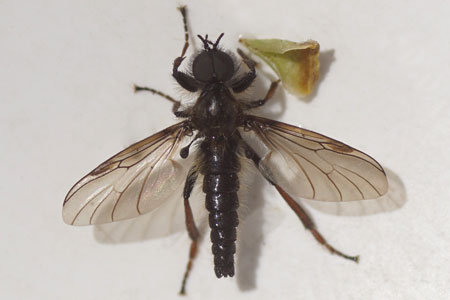 .. ..
 . .  Bibio lanigerus. Male. Family
Bibionidae.
Bibio lanigerus. Male. Family
Bibionidae.
About 8 mm. Features: The abdomen is largely lightly hairy. Bibio lanigerus: Metatars 3 slightly thickened, about 3 x as long as wide. Bibio varipes: Metatars 3 slim, about 4 times as long as wide. That is hard to see. That's why I'm not sure. Photo 13-4-2019. |
 Bibio. Female
 |
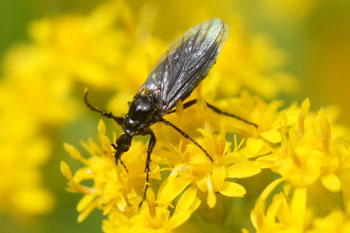 .. ..
 Fever Fly (Dilophus
febrilis). Family Bibionidae. Fever Fly (Dilophus
febrilis). Family Bibionidae.
The fever fly looks like the Bibio marci, but is
smaller and not so hairy. The female has tinted wings. Only the tip is clear. The wings of the male are
clear.
Length 3.5 mm - 8 mm. April to September.
Photos 29-8-2012. |
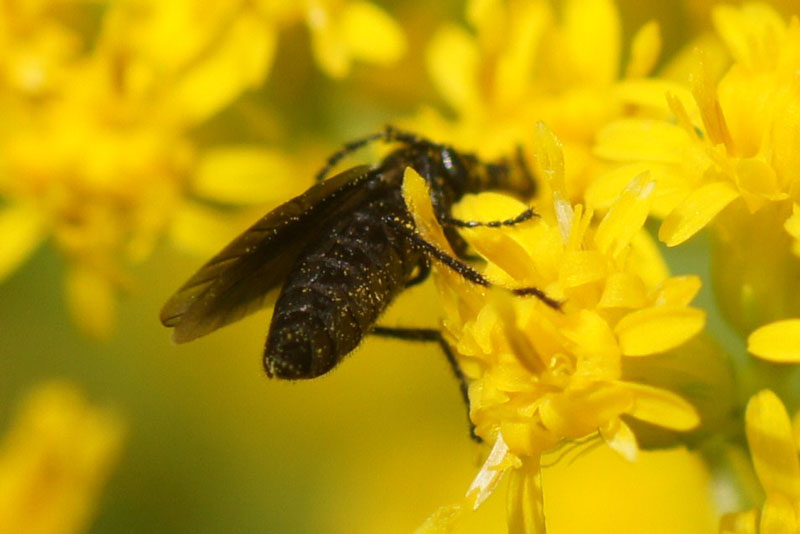
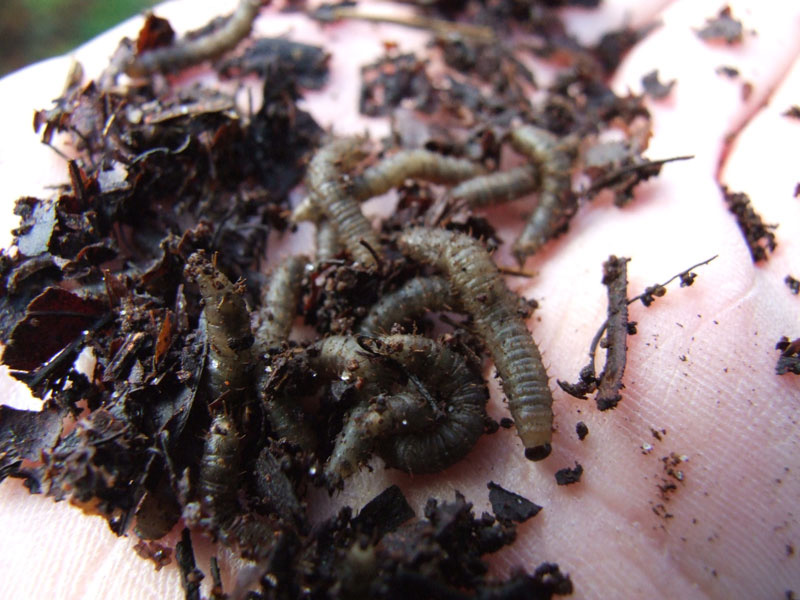
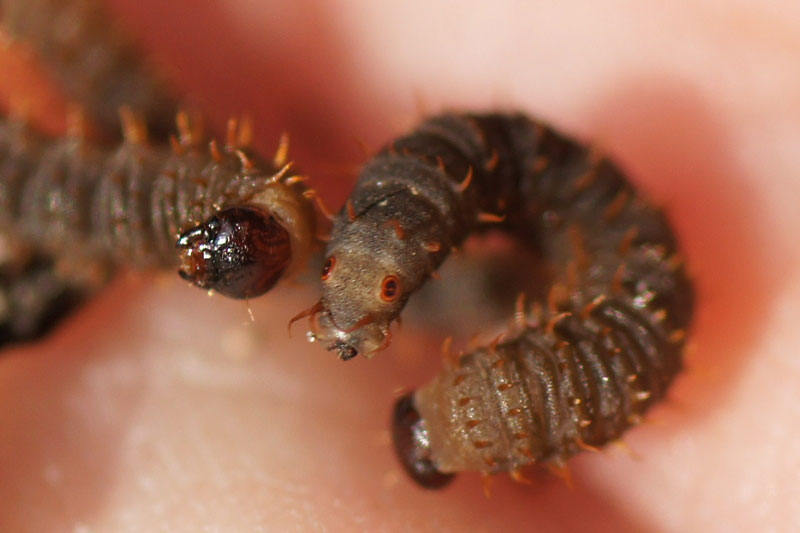
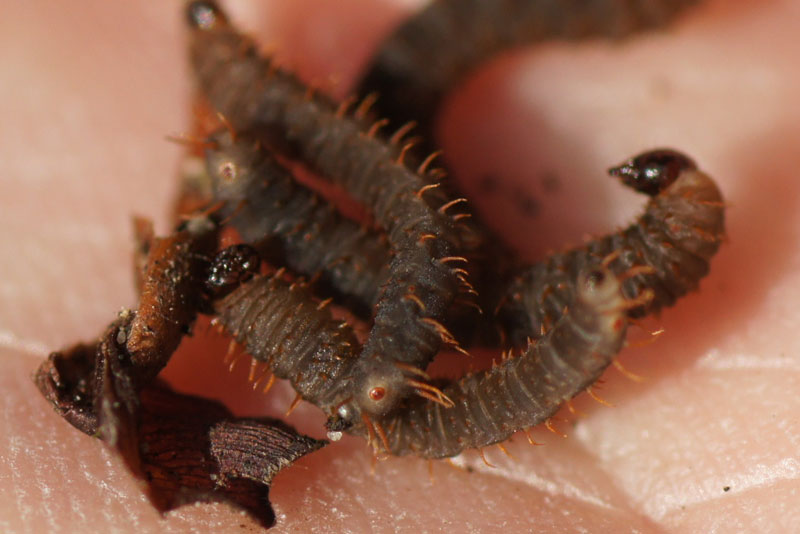
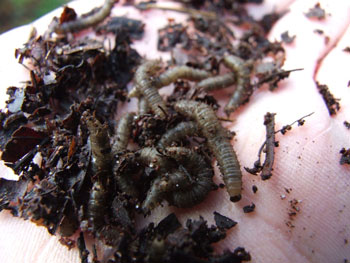 The larvae Bibionidae
(Bibio or Dilophus: detail of anal opening is necessary to know
the species.) The larvae Bibionidae
(Bibio or Dilophus: detail of anal opening is necessary to know
the species.)
The larvae resemble leatherjackets with a black head. These
larvae I found in October 2008. Very late in the year for these species.
A difference with the leatherjackets are fleshy outgrowths of the skin and the
entirely chitinised, external head.
They have no legs. Photo: 27-10-2008. |
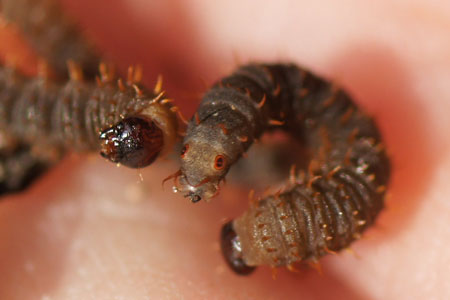 .. ..  . .
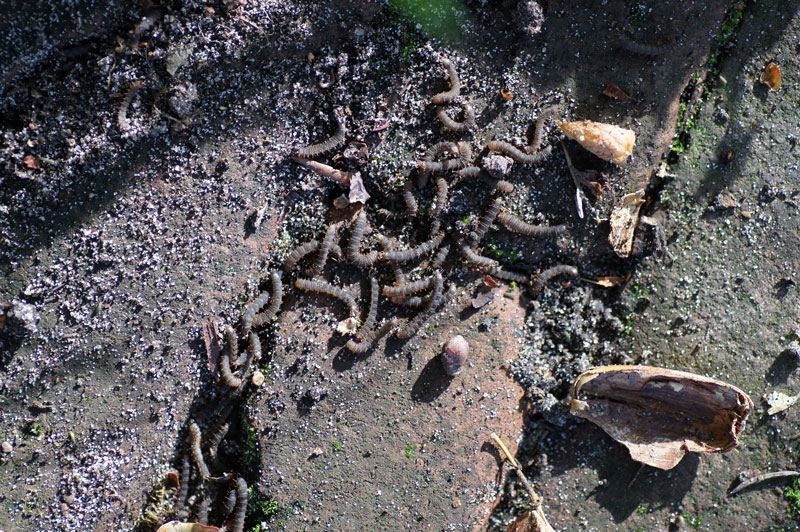
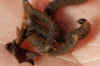 The larvae Bibionidae.
After I had taken the photo above, I have seen them often in large numbers in the
garden on humus-rich places. After one day they disappeared. The larvae I found three years later, when I swept the street, looked
different. Probably a different species. Photos 27-09-2011. |
Gall midges, gall gnats (Cecidomyiidae, Cecidomyidae)
Small midge. Length 0.5 - 3mm. Sometimes larger. They have hairy wings with few veins. There are three subfamilies:
Lestrmiinae, Porricondylinae and Cecidomiina. Some larvae of the subfamily Cecidomiina feed on plant tissue, causing gallnuts
(like gall wasps). They can be harmful. Other larvae live in mushrooms, dead wood or
are predators.
 .. ..
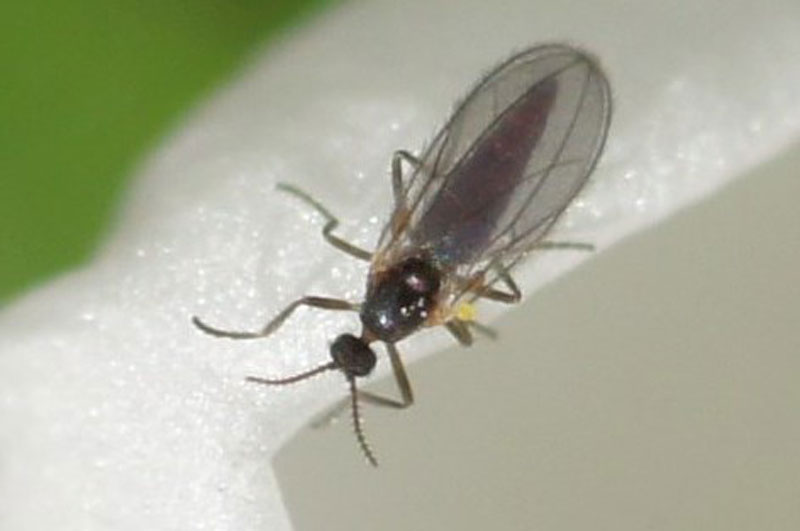
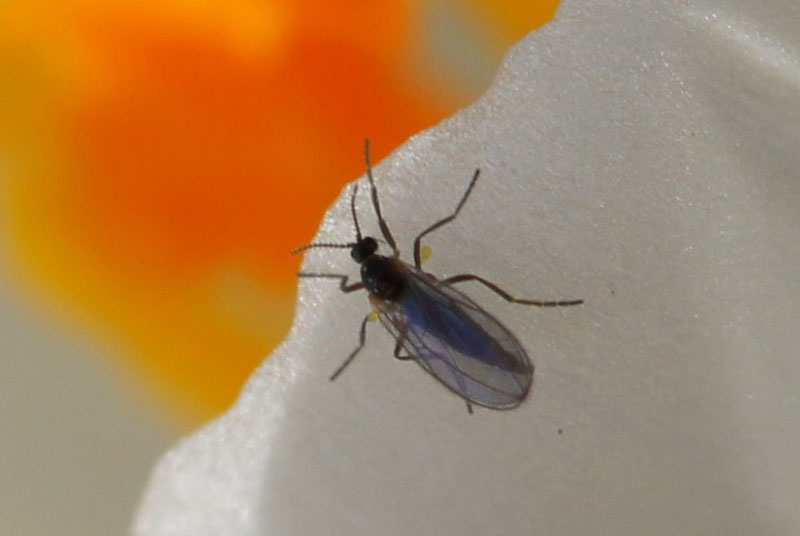
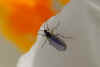 Gall midge spec, gall gnat
spec. Family Gall midges,
gall gnats (Cecidomyiidae, Cecidomyidae). Gall midge spec, gall gnat
spec. Family Gall midges,
gall gnats (Cecidomyiidae, Cecidomyidae).
On these pictures is the gall midge on a flower of a crocus. About 2-3 mm.
Photos 19-3-2014. |
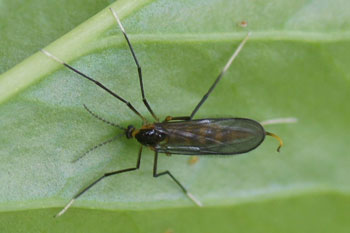 .. ..
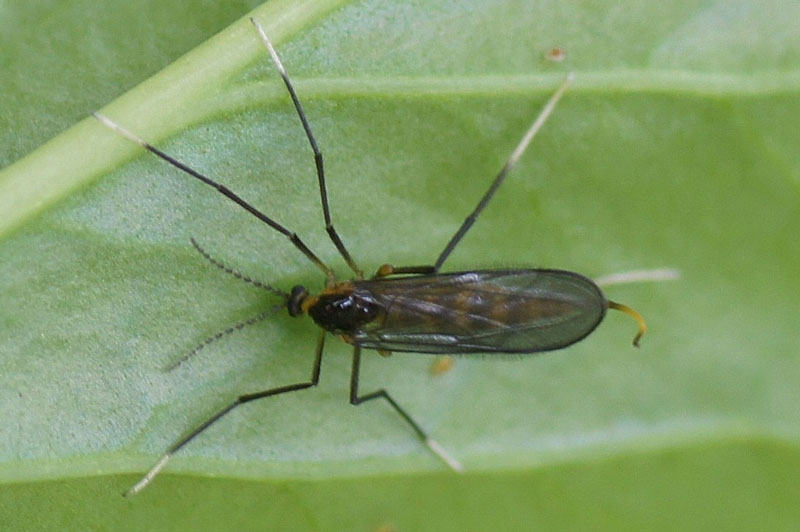
 Gall midge spec, gall gnat spec. Family Gall midges,
gall gnats (Cecidomyiidae, Cecidomyidae).
Gall midge spec, gall gnat spec. Family Gall midges,
gall gnats (Cecidomyiidae, Cecidomyidae).
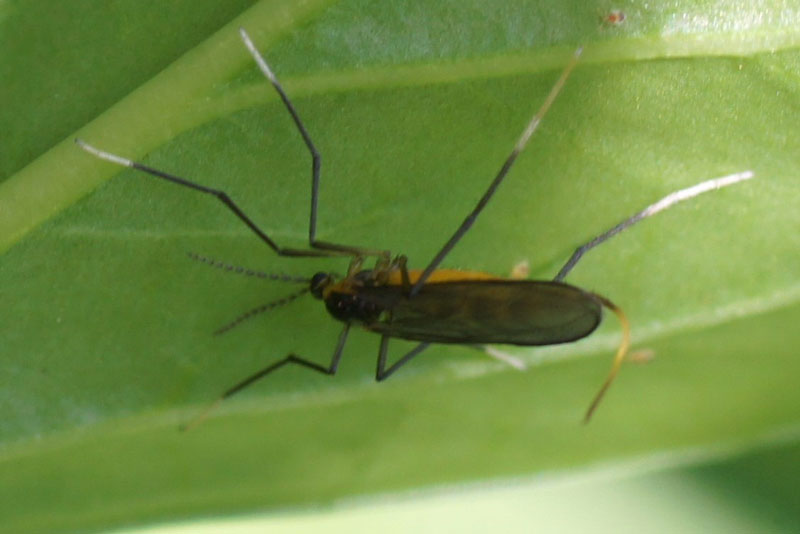
A large gall midge. The lower part of the legs is white. The abdomen is orange. Length about 4-5
mm I think. I can't find a name. If you know the name....pleas email me.
Photos 5-5-2014. |
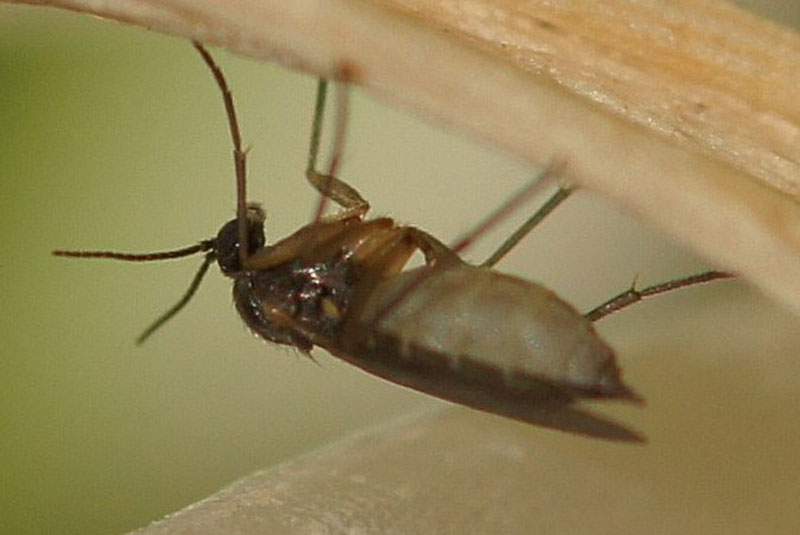
Biting midges (Ceratopogonidae).
In the United States and Canada: No-see-ums,
midgies, punkies. Small biting midges from 1 to 4 mm.
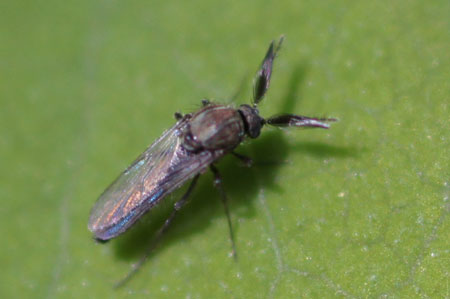 .. ..
 Biting midge spec. Family biting midges
(Ceratopogonidae).
Male Biting midge spec. Family biting midges
(Ceratopogonidae).
Male
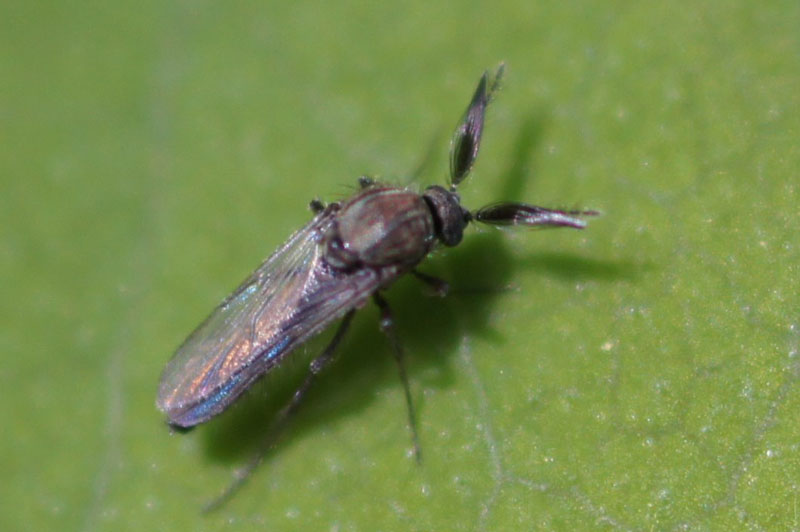
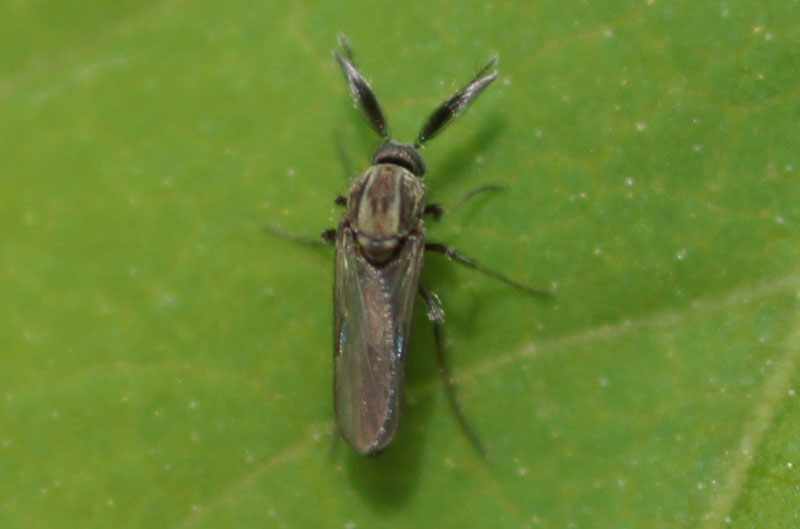
Usually they are not to identify from photographs. The female
midge can stabbing to suck blood. These are the midges of the genera
Leptoconops, Culicoides, Forcipomyia. They often feed on nectar and honeydew.
In rest they have a bent posture as a Chironomid. However, they are broader. The antennae of the males are more or less hairy.
The larvae live in moist conditions, such as puddles, damp earth, rotting material, cow dung etc.
Photos 9-4-2014. This biting midge was about 2 mm. |
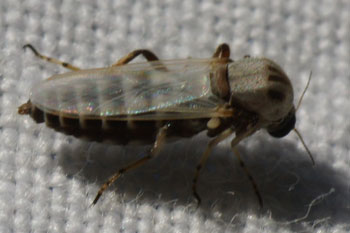
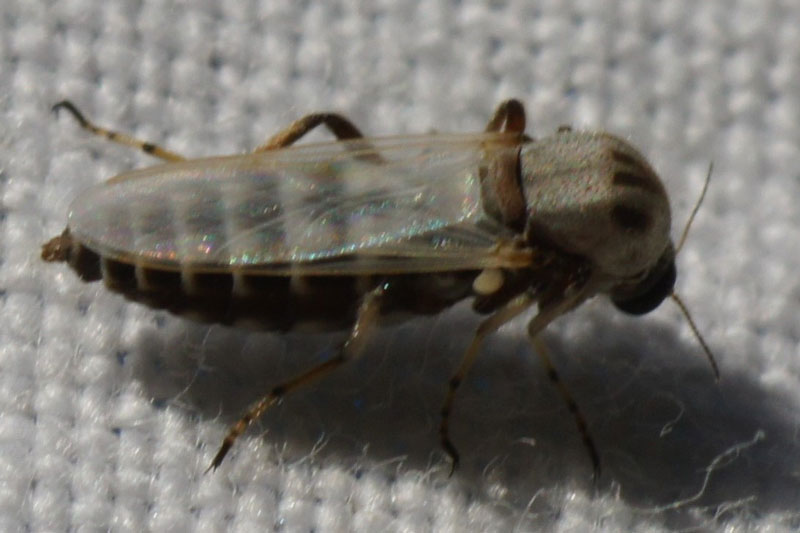
Sphaeromias spec. Tribe Sphaeromiini. Subfamilly
Ceratopogoninae.
Family biting midges (Ceratopogonidae). Female.
In the Netherlands there are the two species Sphaeromias fasciatus and Sphaeromias
pictus. A third species Sphaeromias miricornis is also seen as a
pale variety of Sphaeromias pictus. The differences are small (inter alia in the hairs on the
scutellum). See this Polish
information.
Females feed on small insects. The males do not eat.
The larvae live in water.
Photos 9-4-2014. About 4 mm. |
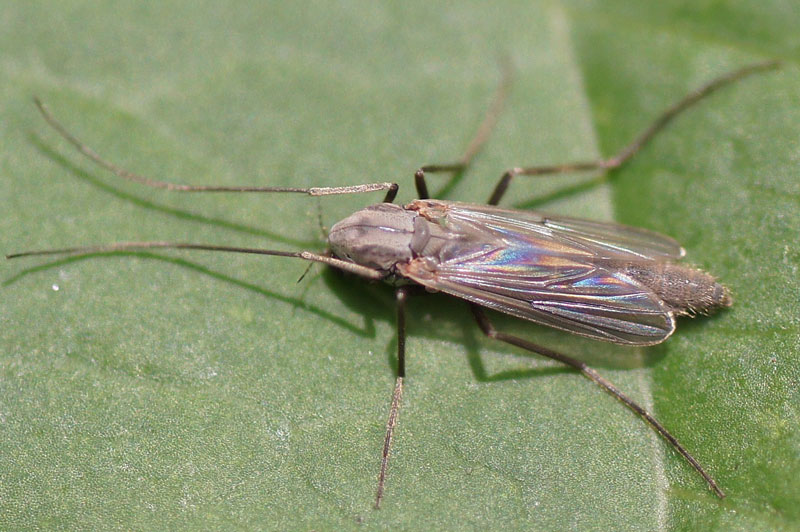
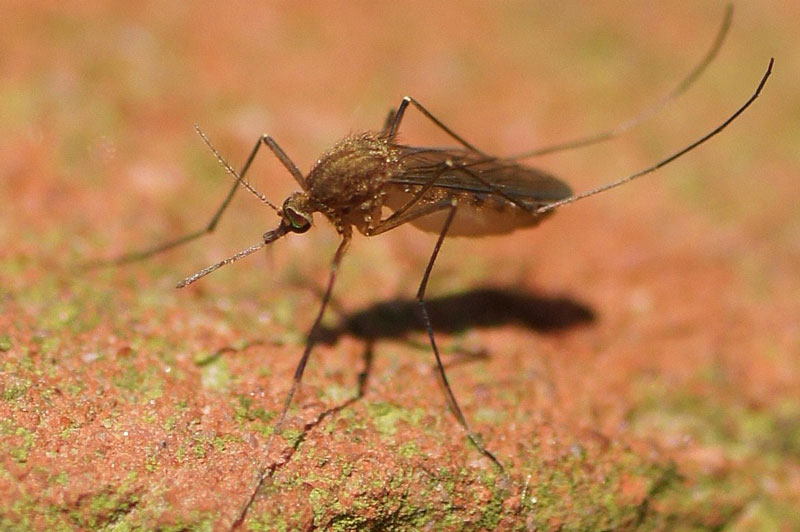
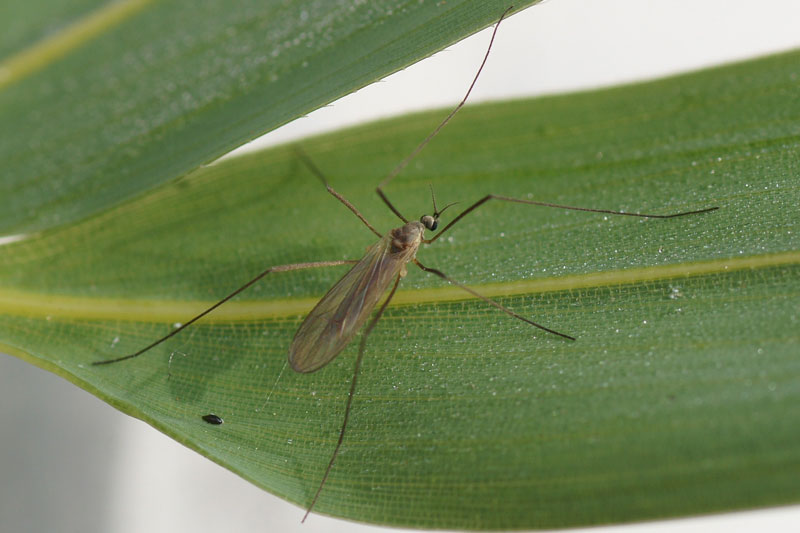
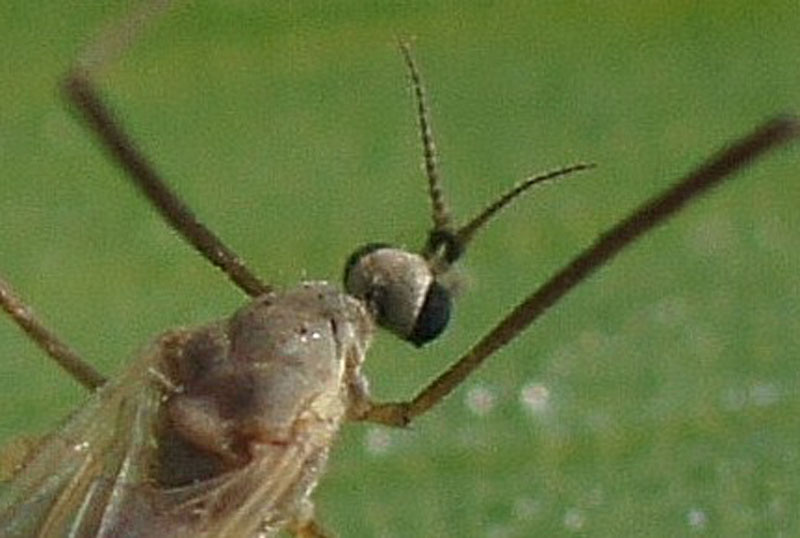
Chironomids, non-biting midges (Chironomidae).
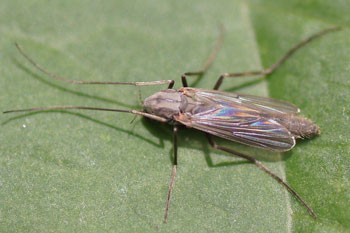 Female. Chironomid, non-biting midge. Family
chironomids, non-biting midges (Chironomidae). Female.
Female. Chironomid, non-biting midge. Family
chironomids, non-biting midges (Chironomidae). Female.
A Chironomid don't bite. At rest the wings as they have a
roof like folded. They are difficult to identify. In the Netherlands there are more than 400 species. The length of the different
species varies from 1 to 10 mm.
The larva resembles a red worm and is eaten by fish. The larvae of most species live in the mud and water between underwater plants.
This Chironomid was about one cm. It's a female, for
males have
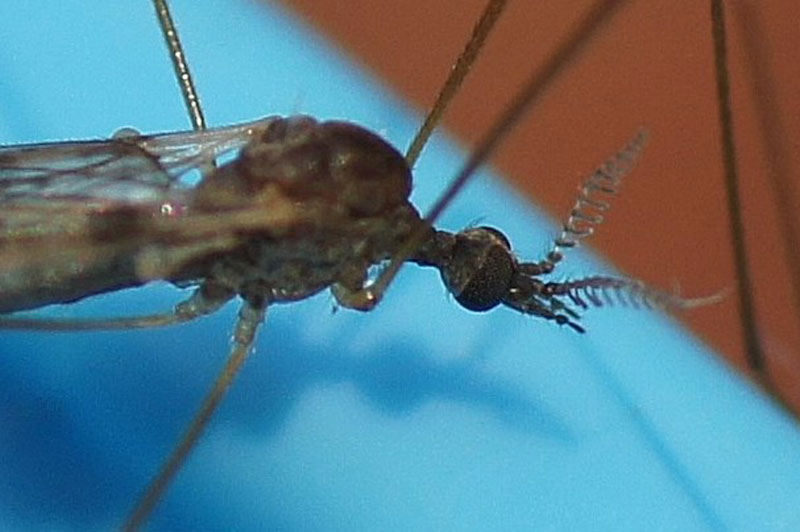
plumose antennae.
Photos 29-8-2012, 9-4-2014. |
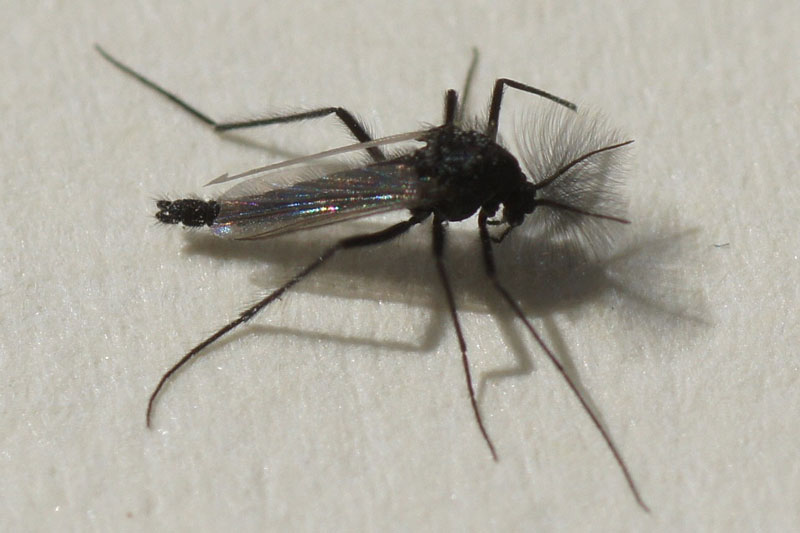
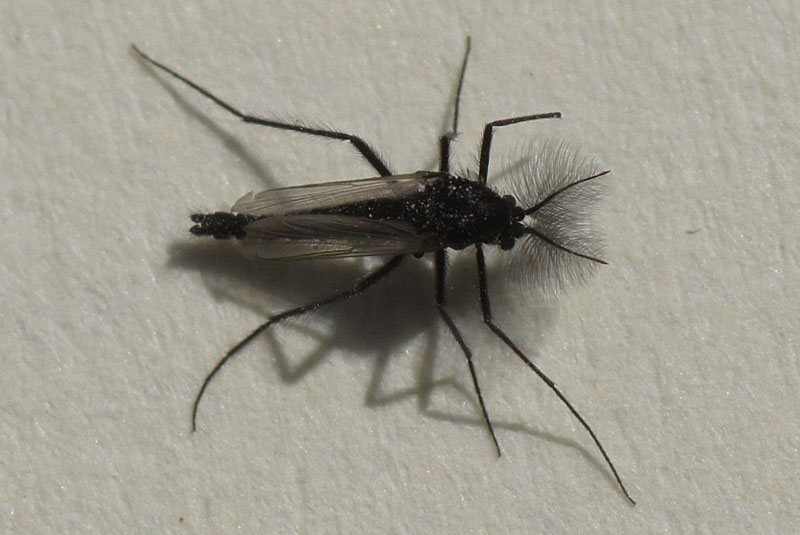
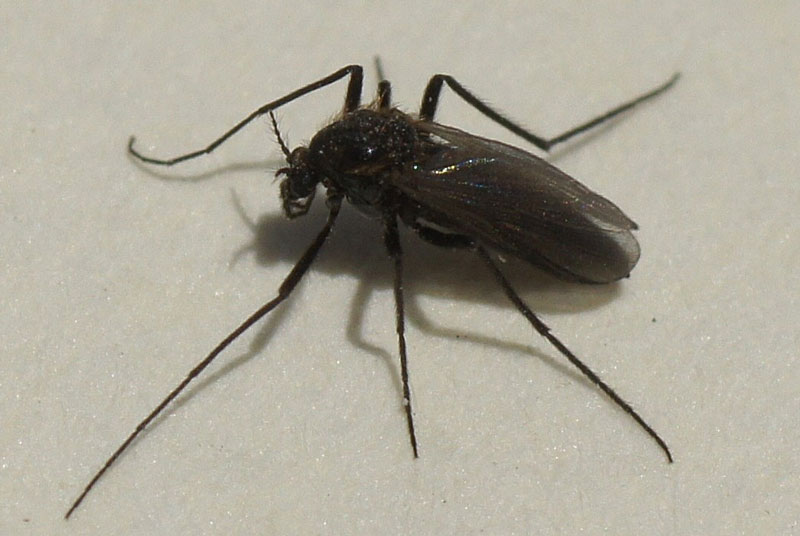
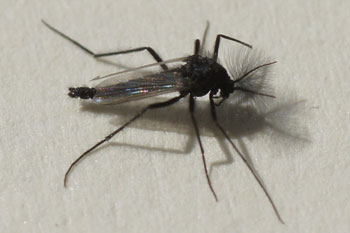 .. ..
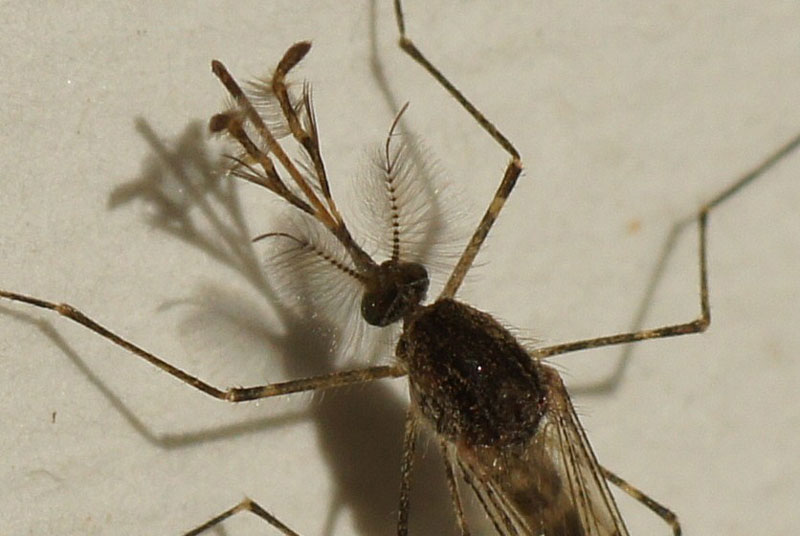
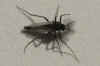 Male.
Male. 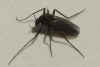
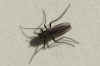 Female. Chironomid, non-biting midge. Family
chironomids, non-biting midges (Chironomidae). Male.
Female. Chironomid, non-biting midge. Family
chironomids, non-biting midges (Chironomidae). Male.
A male and female together behind our window. Probably
the same species. They were about 4 mm.
Photos 18-3-2013. |
Culicidae
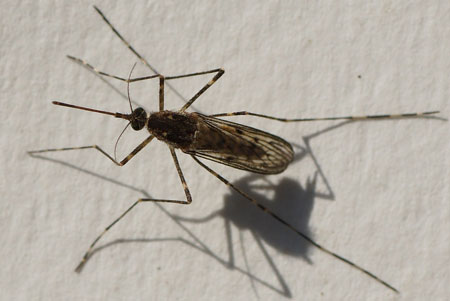
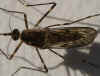
In this family females feed on mammals (humans,
cattle) blood. They have slender legs and wings. The antenna has 15 segments. The antennae
of males are long and hairy. The larvae are found in standing water. They feed on algae
etc. Males typically feed on nectar and plant juices. The females suck blood. The proteins in the blood are used
to develop the eggs.
 .. ..
 Female.
 . .
 Male.
Male.
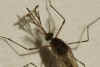
Maybe: Banded mosquito, Culiseta annulata mosquito
(Culiseta annulata, syn. Theobaldia annulata) Female. Family
Culicidae.
I have read, that Culiseta subochrea is very
similar. And there are in the Netherlands more species. Namely: C.
alaskaensis, C. fumipennis, C. morsitans, C. ochtroptera. A large mosquito with white rings on the legs.
This mosquito can hibernate in buildings. Males can be recognized by the long hairy antennae.
See the pictures.
The
Asian tiger mosquito (Aedes albopictus) looks also like the Culiseta. This
mosquito is native to Asia
but has invaded southern European countries. Aedes albopictus is an
important vector for the transmission of viral pathogens. Also with white
rings but darker.
Culiseta annulata is less dangerous, but people are stabbing by this
mosquito.
Photos 2-10-2011, 17-10-2011 German: Culiseta annulata Stechmücke |
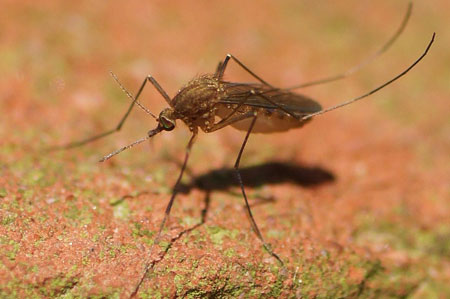 Maybe Common mosquito
(Culex pipiens) Female.
Family Culicidae. Maybe Common mosquito
(Culex pipiens) Female.
Family Culicidae.
I am not sure. The wing veins are not visible in this picture. The females suck blood mainly
of birds. People are less stung by this mosquito. These mosquitoes can overwinter in buildings.
Photo 1-10-2011. |
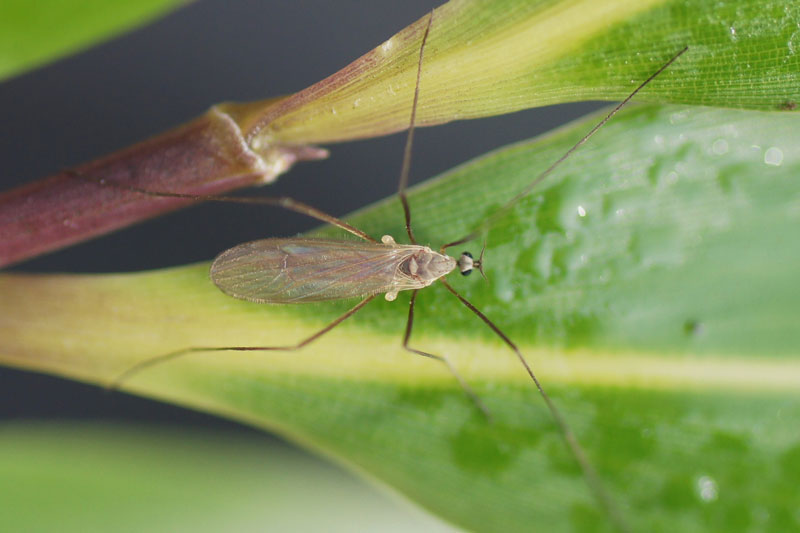
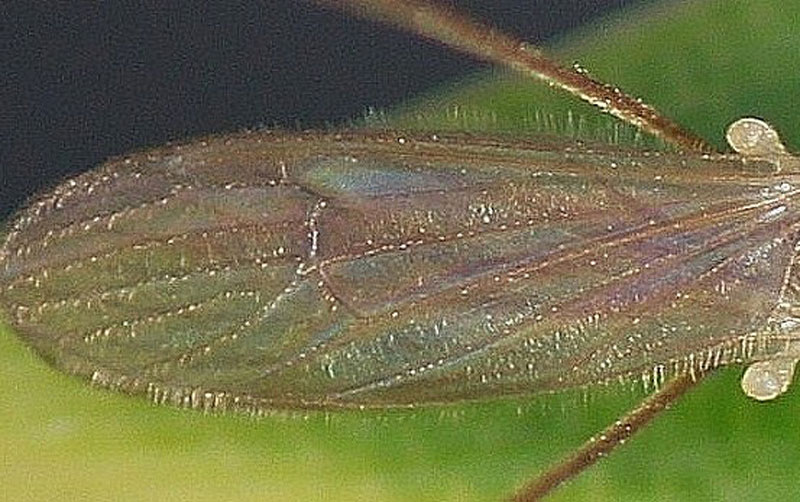
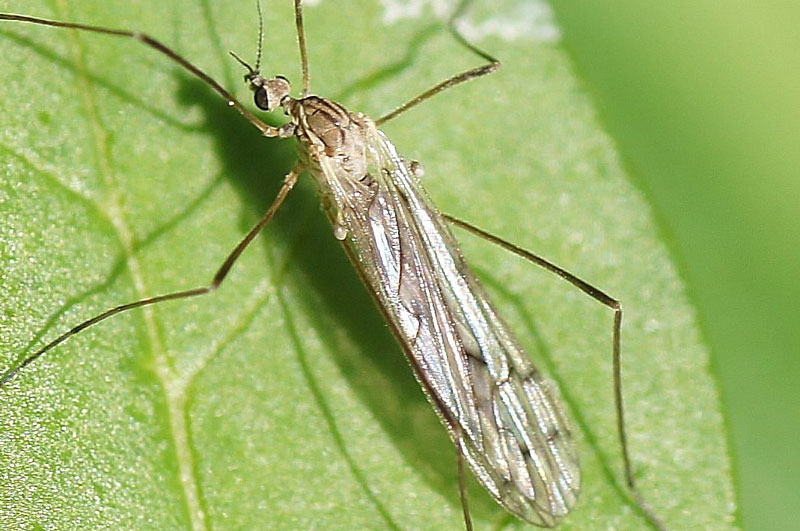
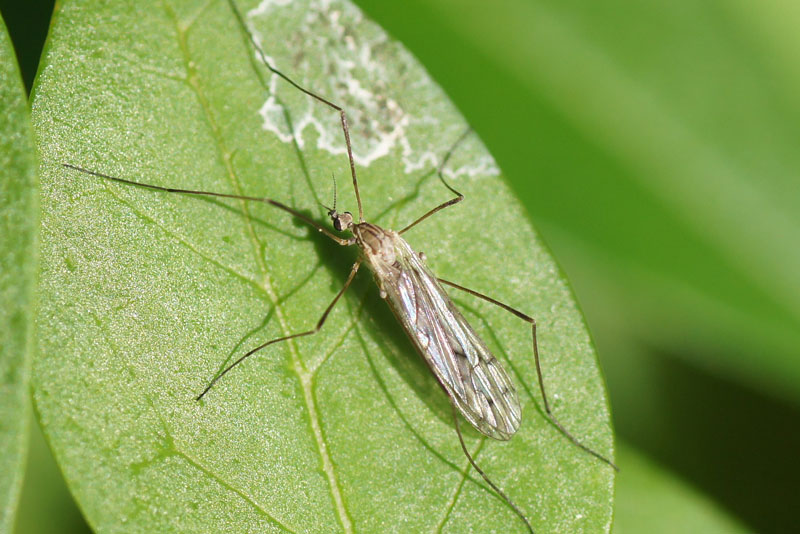
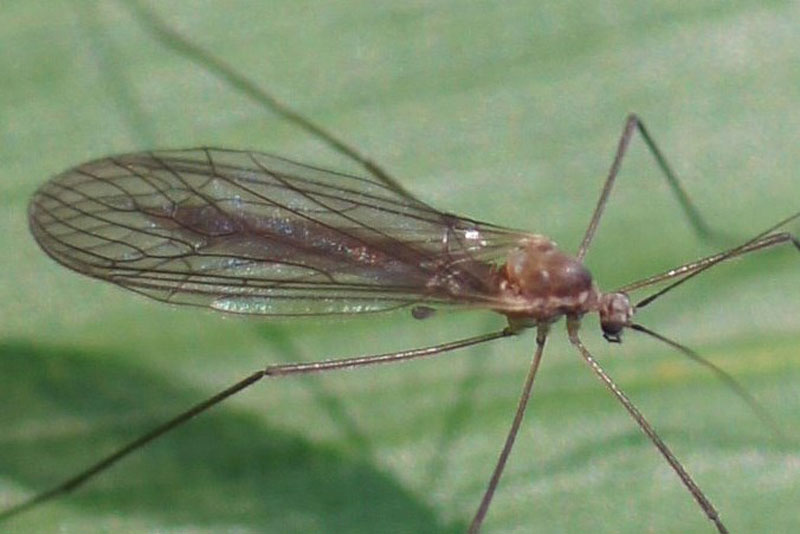
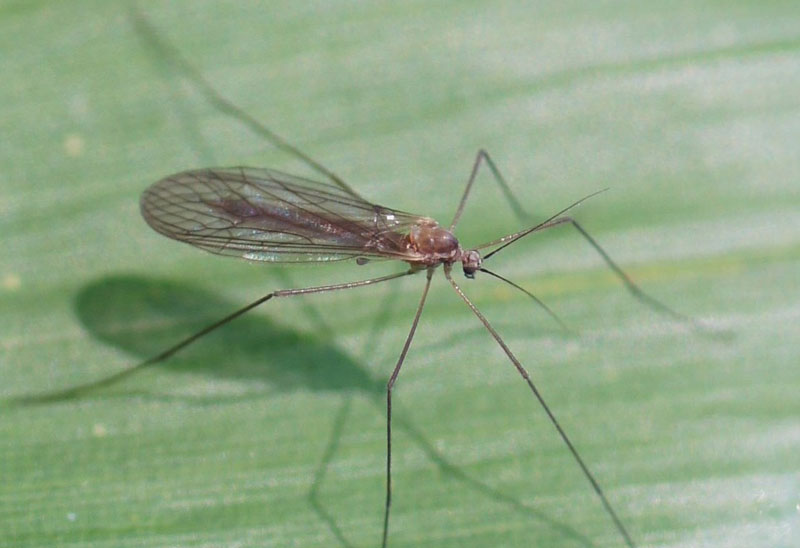
Limonid Craneflies, Limoniidae
The Limoniidae look like small crane flies,
Tipulidae.
Length 2 - 11 mm, there are some larger species. They are a non-biting gnats. In
the Netherlands there are known 144 species.
 .. ..
 .. ..
 . .
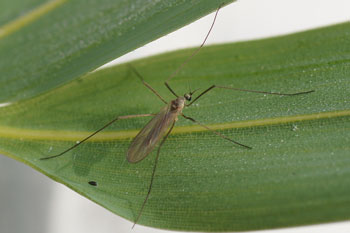
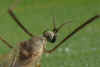
 Cheilotrichia cinerascens. Probably! Subfamily
Chioneinae. Family Limonid Craneflies, Limoniidae.
Cheilotrichia cinerascens. Probably! Subfamily
Chioneinae. Family Limonid Craneflies, Limoniidae.
The species can be recognized by the wing veins. Deze mug staat here
(figure 13).
Joris Menten thanks for helping me.
Photos 24-11-2012. |
 .. ..
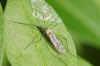 . .
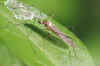 Symplecta hybrida. Subfamily
Chioneinae. Family Limonid Craneflies, Limoniidae.
Symplecta hybrida. Subfamily
Chioneinae. Family Limonid Craneflies, Limoniidae.
Pale grey-brown with three dark stripes lengthwise on the thorax. The wings have dark cross veins.
Length of this gnat was about 7 mm.
May - October. Larvae in wet sand near water, they feed most likely with organic material. Europe, Asia, North Africa, North America.
Photos 28-9-2015. |
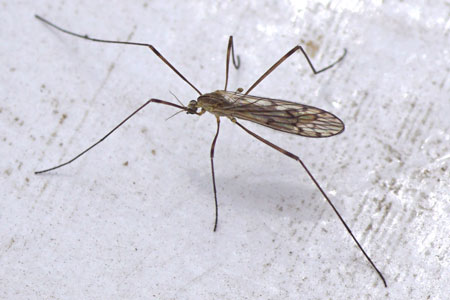 Symplecta stictica. Subfamily
Chioneinae. Family Limonid Craneflies, Limoniidae.
Symplecta stictica. Subfamily
Chioneinae. Family Limonid Craneflies, Limoniidae.
About 10 mm long. Yellow-brown body. Wings with several small dark spots and dark veins. March-September. Photo 9-7-2024. |
 .. ..
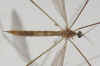 . .
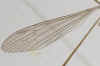 Austrolimnophila ochracea. Subfamily
Limnophilinae. Family Limonid Craneflies, Limoniidae.
Austrolimnophila ochracea. Subfamily
Limnophilinae. Family Limonid Craneflies, Limoniidae.
A yellow-brown limonid cranefly. The wings have a light
grey spot.
Austrolimnophila ochracea, is common in dry and humid forests. Length was about 9 mm.
Europe to Turkey. Photos 16-6-2018. |
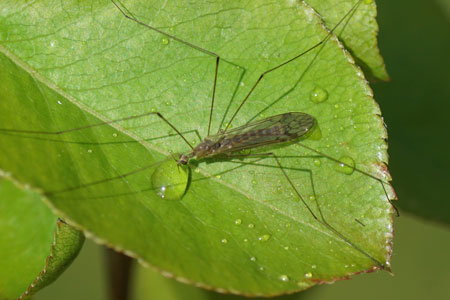 Dicranomyia chorea. Subfamily
Limnophilinae. Family Limonid Craneflies, Limoniidae.
Dicranomyia chorea. Subfamily
Limnophilinae. Family Limonid Craneflies, Limoniidae.
Usually a brown banded abdomen. A dark stigma on the wing, sometimes quite faint. A dark discoloration of a few veins. On the underside of the fore thigh a black ring. Tends to move up and down when resting.
Palearctic.
Photo 14-4-2025. |
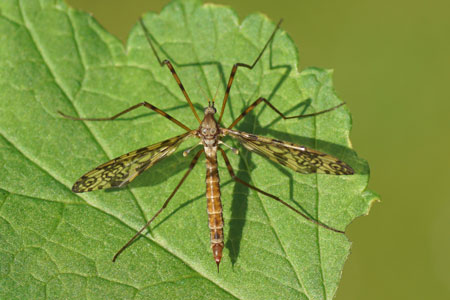 Epiphragma ocellare. Subfamily
Limnophilinae. Family Limonid Craneflies, Limoniidae.
Epiphragma ocellare. Subfamily
Limnophilinae. Family Limonid Craneflies, Limoniidae.
Circle patterns on the wings, striped thighs.
Often in wooded areas. Length of this cranefly is about 18-20 mm. Larvae are found in dead wood. May-June.
Palearctic. Photo 24-5-2024. |
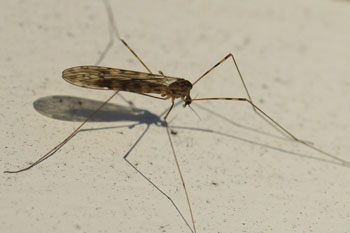 .. ..
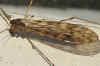 . .
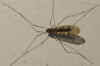 Short-palped cranefly,
Limonia nubeculosa. Subfamily Limoniinae.
Family Limonid Craneflies, Limoniidae.
Short-palped cranefly,
Limonia nubeculosa. Subfamily Limoniinae.
Family Limonid Craneflies, Limoniidae.
The long light brown legs have on the thighs (femur) three dark rings. (The
limonia in the picture has lost a leg) The wings have a dark pattern on the front edge.
It has a stripy thorax.
Length 9 - 11 mm. April - November. Palearctic en
Nearctic.
The larvae feed on rotting wood. Photos 29-11-2012. |
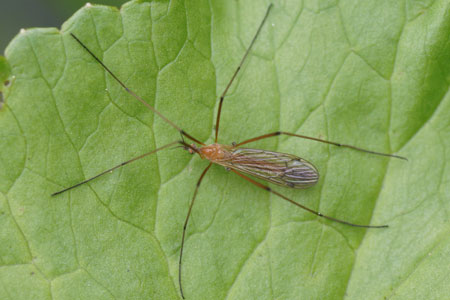 .. ..
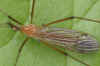 . . 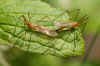 Phylidorea ferruginea. Subfamily
Limoniinae. Family Limonid Craneflies, Limoniidae. Phylidorea ferruginea. Subfamily
Limoniinae. Family Limonid Craneflies, Limoniidae.
Shiny brown. Yellow brown legs with dark knees.
Length about 9 mm.
May - October. Palearctic. Photos 19-4-2013, 26-6-2013. |
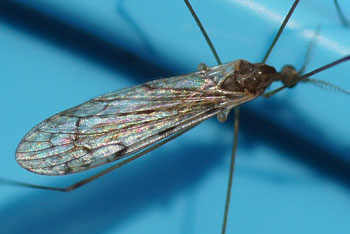 .. ..
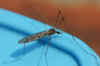 Rhipidia maculata. Subfamily Limoniinae. Family Limonid
Craneflies, Limoniidae.
Rhipidia maculata. Subfamily Limoniinae. Family Limonid
Craneflies, Limoniidae.
The wings have a striking pattern. It is somewhat similar to that of the Limonia
nubeculosa, but the legs are
brown grey without a pattern of rings.
Length of these Rhipidia was approximately 7 mm.
May - October. Larvae in rotting wood.
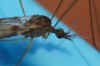 Male, good to see the comb-shaped (pectinate) antennas
Photos 25-11-2014.
Male, good to see the comb-shaped (pectinate) antennas
Photos 25-11-2014.
|
Fungus gnats (Mycetophilidae).
The family consists of many species, which are difficult to identify.
A strongly humped thorax. Length of most types of 4 to 8 mm. But sometimes they are smaller or larger. Brown, yellow or black and not
stabbing. The wings are often clear, but may also be tinted, and have a pattern. The larvae live in mushrooms, but also in
mosses and in all kinds of moist materials.
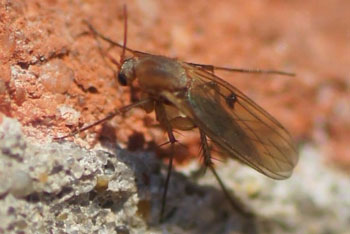 .. ..
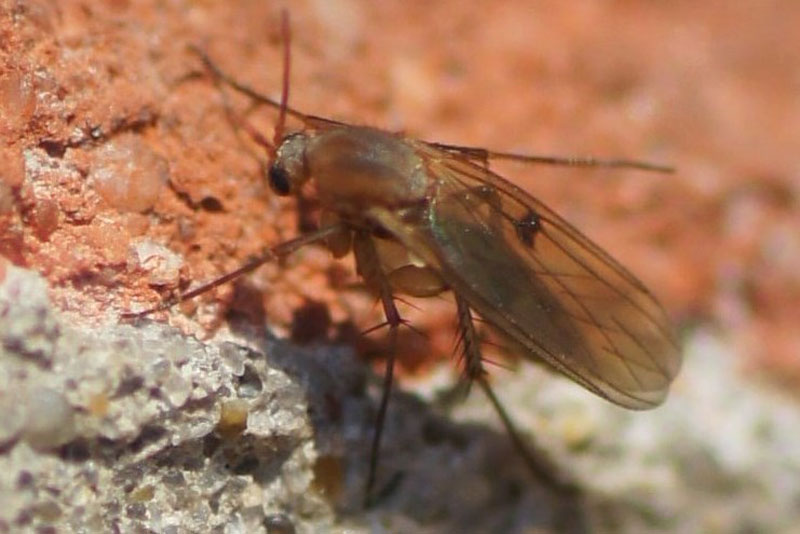
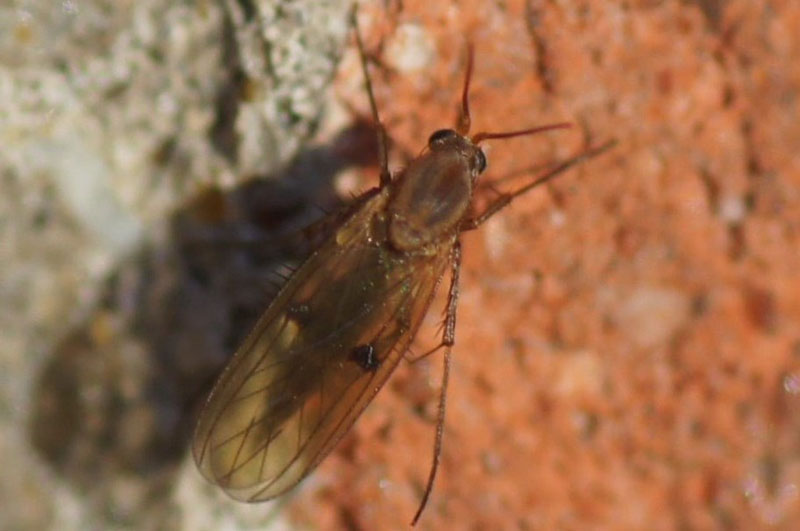
 Fungus gnat spec. Mycetophilidae spec. Family Fungus gnats
(Mycetophilidae).
Fungus gnat spec. Mycetophilidae spec. Family Fungus gnats
(Mycetophilidae).
This year we have a lot of honey fungus in the garden. Therefore I see more
fungus gnats than usual. This gnat is brown. The wings have a dark spot, the legs have prominent spines.
The length of the fungus gnat is about 5 mm.
Photos 6-12-2014.
German: Pilzmücken.
|
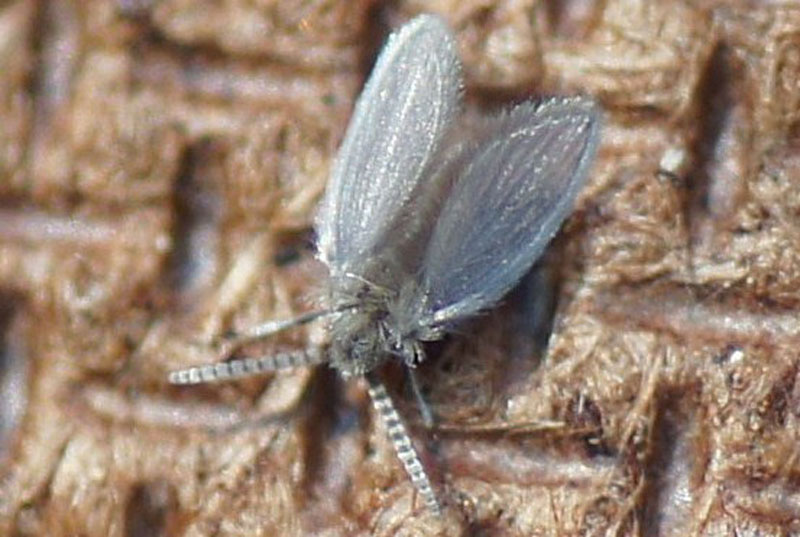
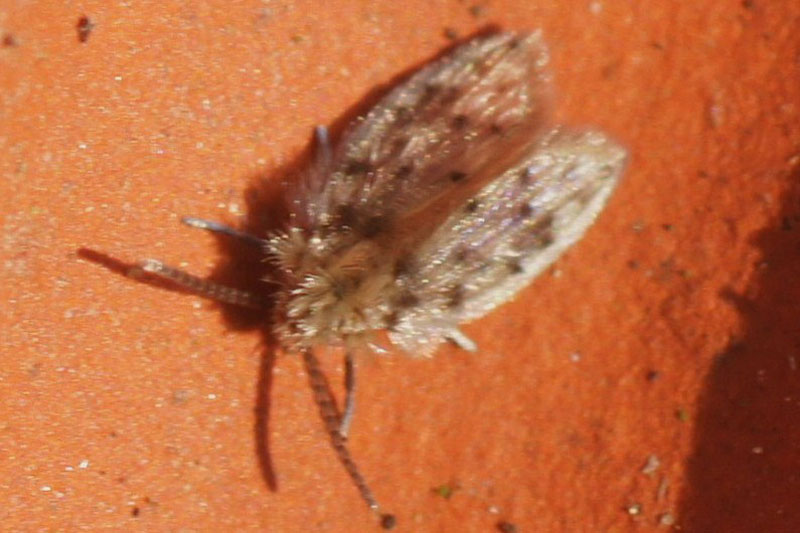
Moth
flies, drain flies (Psychodidae)
Small 3 to 5 mm. They look like small moths. They have hairy wings. The antenna consists of 13 segments.
The eggs are laid in murky water or moist organic material. The larvae and
adults feed on fungi, bacteria, decaying matter. The adult moth fly likes
nectar too.
By this way of life we find them often in wet areas like toilets. They are not harmful, but can be annoying.
They are all over the world. German:
Schmetterlingsmücken.
 .. ..
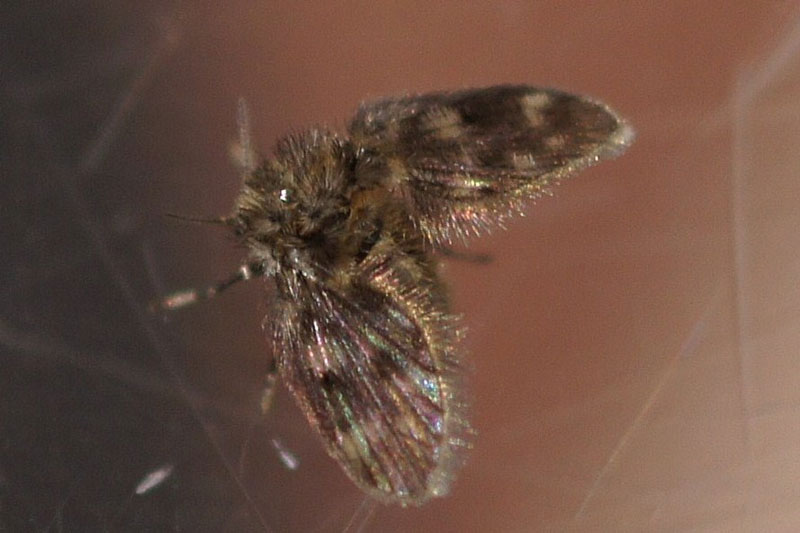
 Moth fly, drain fly spec. Family
Psychodidae. Photo 15-6-2011.
Moth fly, drain fly spec. Family
Psychodidae. Photo 15-6-2011.
An other species: Photo 23-3-2012. |
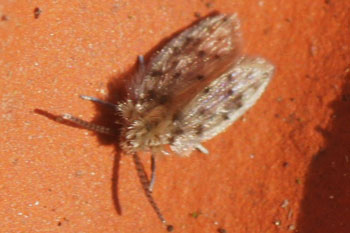 Moth fly, drain fly, Psychoda erminea. Family
Psychodidae. Photo 18-11-2012.
Moth fly, drain fly, Psychoda erminea. Family
Psychodidae. Photo 18-11-2012. |
Ptychopteridae
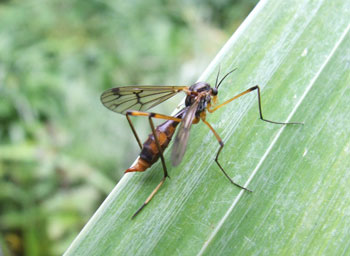 Ptychoptera albimana.
Female. Family: Ptychopteridae, the Phantom Crane Flies. (No
crane fly!!)
Ptychoptera albimana.
Female. Family: Ptychopteridae, the Phantom Crane Flies. (No
crane fly!!)
Recognizable: The white tarses on the backlegs. Similar
in appearance to Crane flies. The larvae live
in muddy shores, where they feed on algae.
The adults are found most often from late spring through to autumn in
shaded, moist environs. |
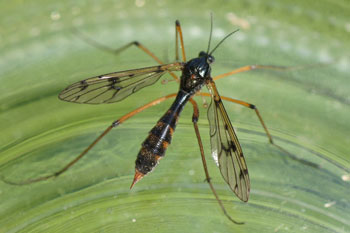 .. ..
 Ptychoptera contaminata.
Family: Ptychopteridae, the Phantom Crane Flies. (No
crane fly!!) Not in the garden but in the dunes about 4 km from
our house.
Ptychoptera contaminata.
Family: Ptychopteridae, the Phantom Crane Flies. (No
crane fly!!) Not in the garden but in the dunes about 4 km from
our house.
Shiny black, with some yellow brown spots on the abdomen. On the wing
there are some small spots and a large black spot. Length about 9 mm.
You can find it in damp places. Europe. Photos 13-5-2016, 6-5-2014. |
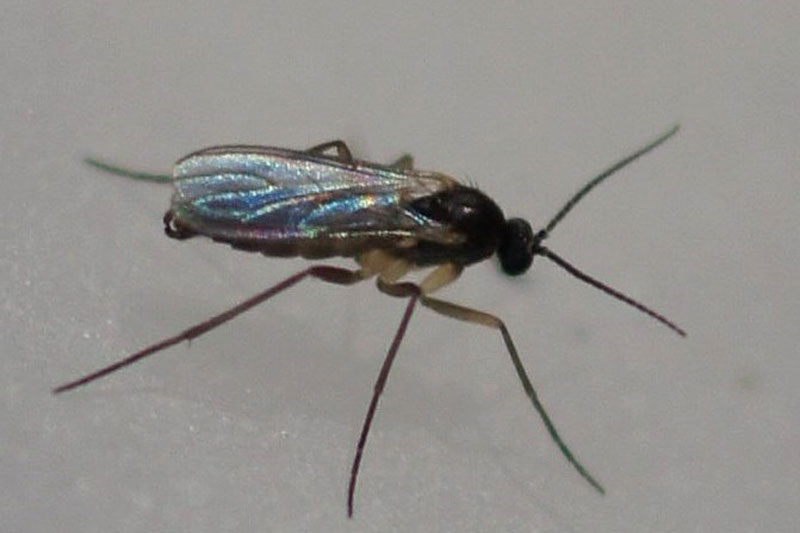
Sciaridae
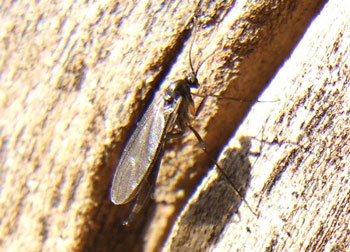 .. ..
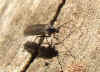 Sciaridae spec. Family Sciaridae.
I have in the garden a trunk of a dead apple tree.
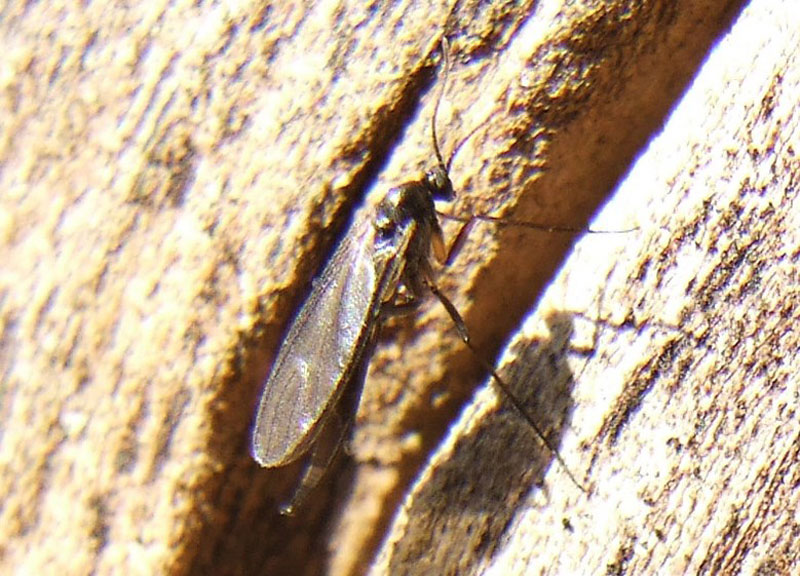
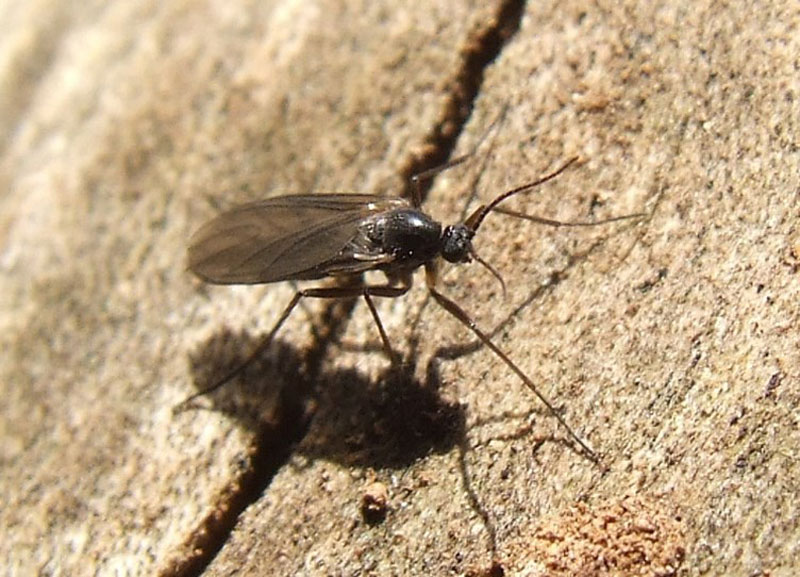
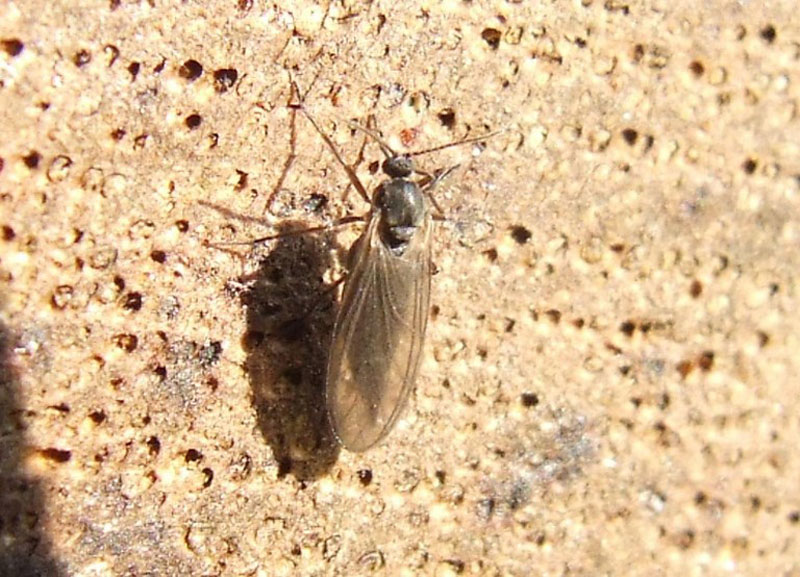
There often are different species of flies on it. Two little gnats (5
mm) were walking on this trunk.
There are many little gnats, belonging to the family Sciaridae Usually
they are not to determine from a photo. Length 1 mm to 7 mm. They are a non-biting
gnats. Larvae often live in decaying
organic material.
The same month I found a much smaller species. About 2 mm. Photos
30-3-2009.
Much smaller species:
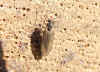 Photo 31-3-2009
 |
 .. ..
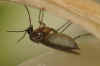 . .
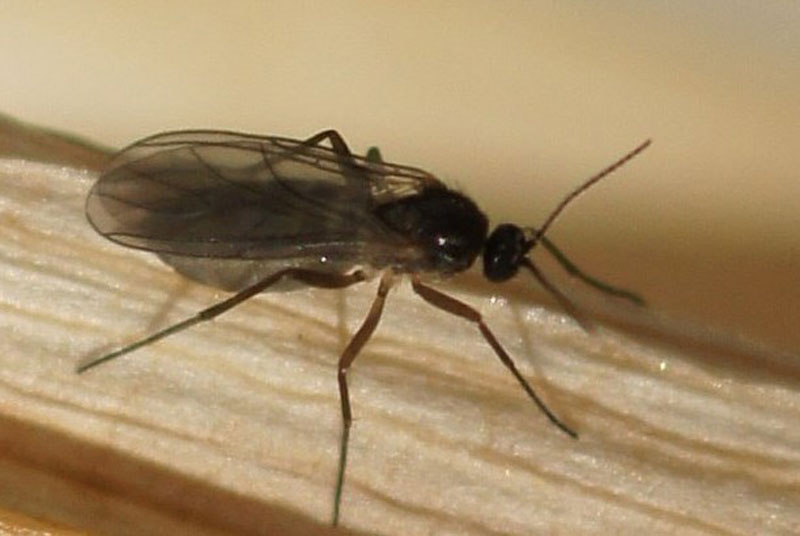
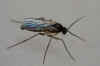 Sciaridae spec. Family Sciaridae.
These tiny gnats flew and walked everywhere in our house. After some searching, I saw that they were mainly at two plants in the bathroom. A moist warm place. When I put the plant in fresh soil the
Sciaridaes were gone. (You should not immediately put the plants back, because eggs can be laid again.) They were about 2 mm. The species was not to determine. Meanwhile I have a better camera than in 2009 when I photographed the gnats above.
Photos 23-11-2013. |
Winter crane flies (Trichoceridae).
The family consists of two genera in Europe. Namely Dazosma (late summer - early
autumn) and Trichocera (autumn - spring). Length 3 to 8 mm. Usually pale and not
stabbing. The larvae live in moist soil, decaying material etc.
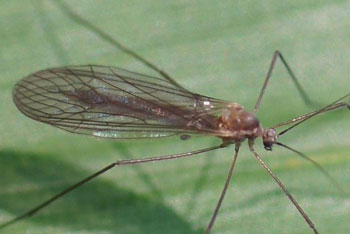 .. ..
 . .  Winter crane fly spec. Trichoceridae spec. Family
Winter crane flies (Trichoceridae).
Winter crane fly spec. Trichoceridae spec. Family
Winter crane flies (Trichoceridae).
A charateristic of the family Trichoceridae is a short curved anal vein. The Diazosma
has a slightly longer vein. But that is not visible in this picture. Given the time of year it's more likely that it is a
Trichocera.
They look like the Tipulidae, Tanyderidae, and Ptychopteridae, but unlike
these families the family Trichoceridae has ocelli.
The length of this gnat is about 8 mm.
Photos 11-11-2014,
25-11-2014. German: Wintermücken.
|
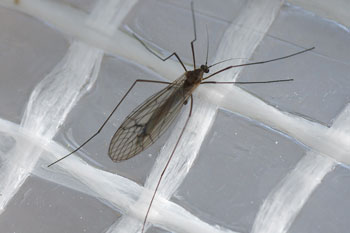 .. ..
 Trichocera regelationis. Family
Winter crane flies (Trichoceridae).
Trichocera regelationis. Family
Winter crane flies (Trichoceridae).
The length is about 7 mm. October - April. Photos 30-3-2015. |
I want to thank everyone, who has helped me (waarneming.nl)
to identify. In particular, Joke van Erkelens, Robert Heemskerk, Mark van Veen,
Gerard Pennard, Niels-Jan Dek and Han Endt. With the determination of Tachinidae I have had
much help from Theo Zeegers and Chris Raper.
Nederlands /
Dutch
 
Subpage flies:
Tachinidae
Blow-flies
(Calliphoridae)
House
flies (Muscidae) Soldierflies
(Stratiomyidae)
Root-Maggot
Flies (Anthomyiidae)
Small
flies Gnats
Subpage wasps, bees, bumblebees: Parasitica, Ichneumonidae
Sawflies
symphyta
Bumblebees
Bee hotel
Subpage France: Insects
France
|

.jpg)