|
 Nederlands /
Dutch Nederlands /
Dutch
Damselflies, dragonflies
We
have already more than ten years a pond in the garden. We have for years no fish
in it. So a pump is not necessary. On a distance of 500 meters there is no water
except some ponds. Damselflies and dragonflies have to come from far.
Damselflies
Damselflies you can classify in several families.
Family Platycnemididae. (A small family) the family Coenagrionidae (a large
family with species like blue-tailed
damselfly, Large Red Damselfly
and Azure Damselfly) Family Lestidae, commonly known as "Spreadwings." (a small family with species like the Willow Emerald Damselfly) Family Calopterygidae. (a large family, especially in the tropics. In the Netherlands you have
the Banded Demoiselle and the Beautiful Demoiselle.The males have coloured wings). Both damselflies and dragonflies catch
their prey with the forelegs (all kinds of insects). They can’t walk.
In May many species
lay the eggs in a tandem. Males
stand right over their females. It can
be dangerous. Once we saw a female disappearing under water. When we
looked better, we saw, a larva
of a dragonfly (nymph) was
the predator.
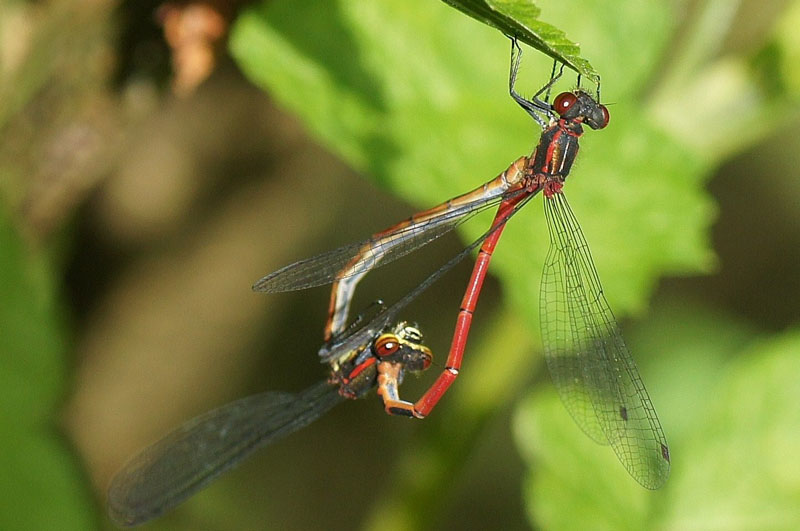
Mating: This
position, in which the bodies of the male and female damselflies form a circle,
is called “the wheel position.”
Coenagrionidae.
On Waarneming all Coenagrionidae
in the Netherlands .
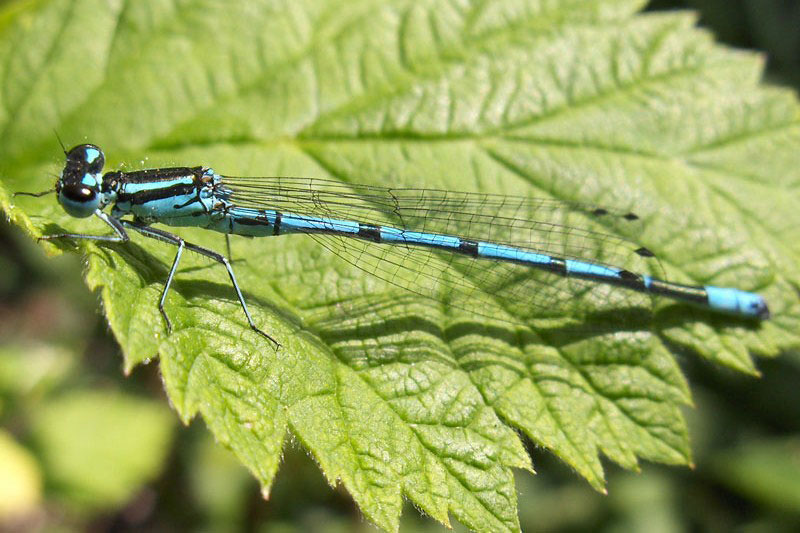
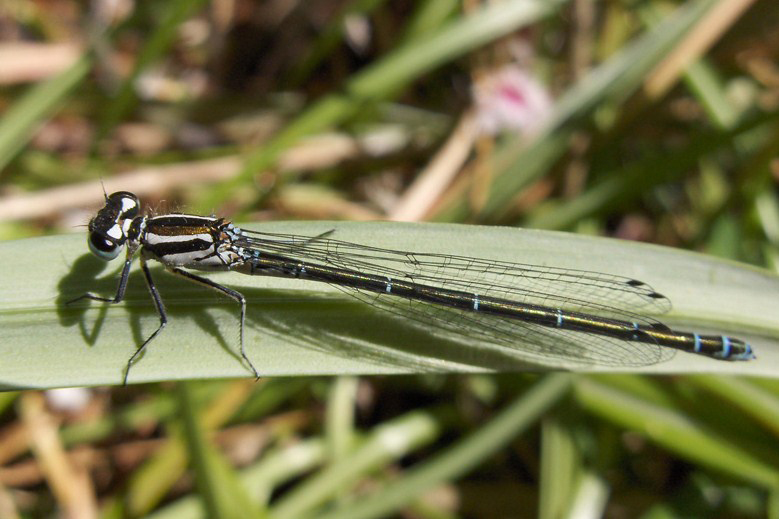
 Common Blue Damselfly (Enallagma
cyathigerum). Family Coenagrionidae.
Female. Not in the garden but in the dunes
about 4 km from our house.
Common Blue Damselfly (Enallagma
cyathigerum). Family Coenagrionidae.
Female. Not in the garden but in the dunes
about 4 km from our house.
The Flying
time: May -
September.
Common in the Netherlands, especially in nutrient usually stagnant water, such as in this
small dune lake.
Europe. Photo 30-6-2013. |
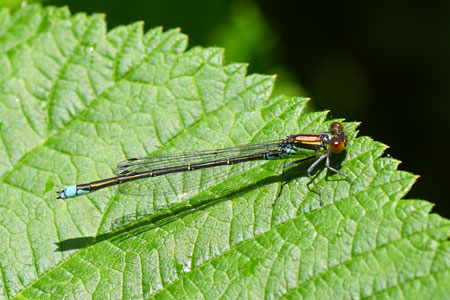 .. ..
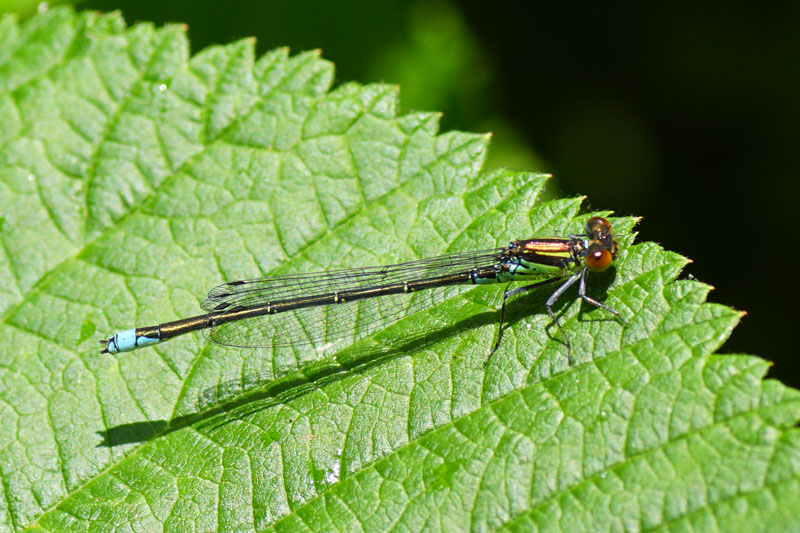
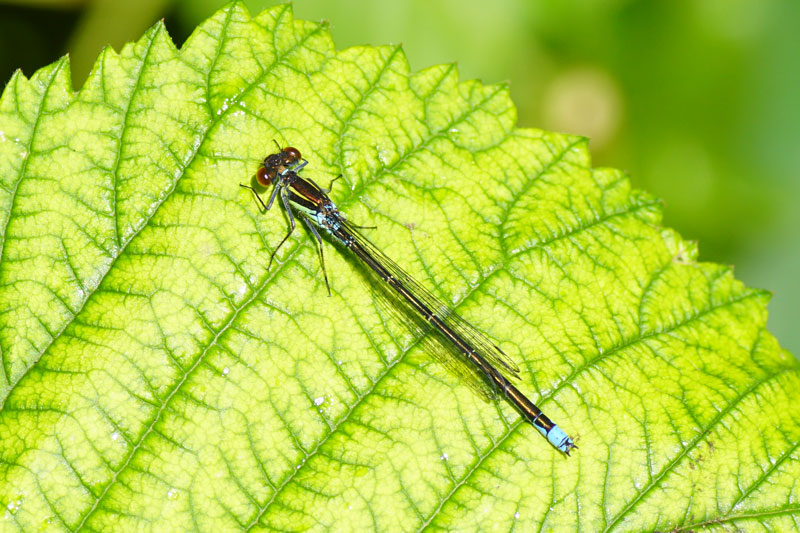
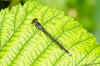 Small Redeye, Small Red-eyed Damselfly (Erythromma
viridulum). Family Coenagrionidae.
Small Redeye, Small Red-eyed Damselfly (Erythromma
viridulum). Family Coenagrionidae.
Resembles the Erythromma najas. Male with bright red eyes. Female with eyes brown above and yellow or green below. 26-32cm.
Flight time: June-September.
Common in the Netherlands, In still and slow flowing waters with floating plants. Europe, to Central Asia. In Morocco and Algeria. Photos 7-7-2021. German:
Kleines granatauge French: La Naiade au corps vert. |
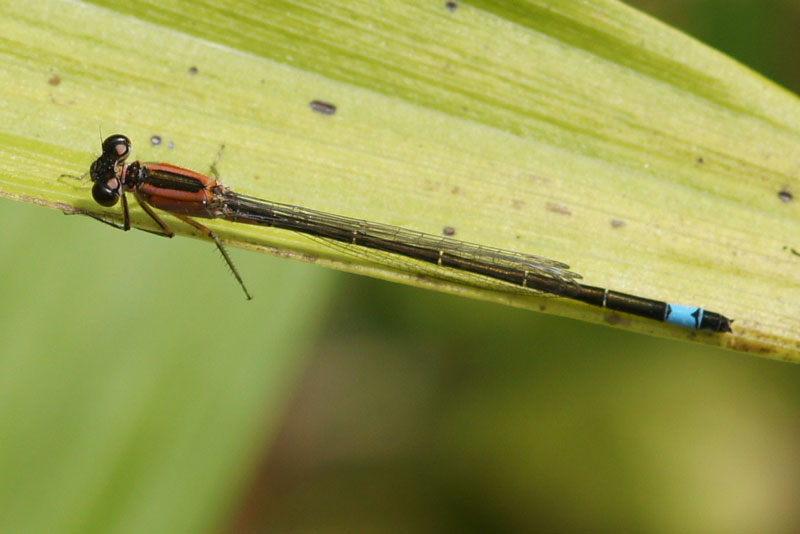
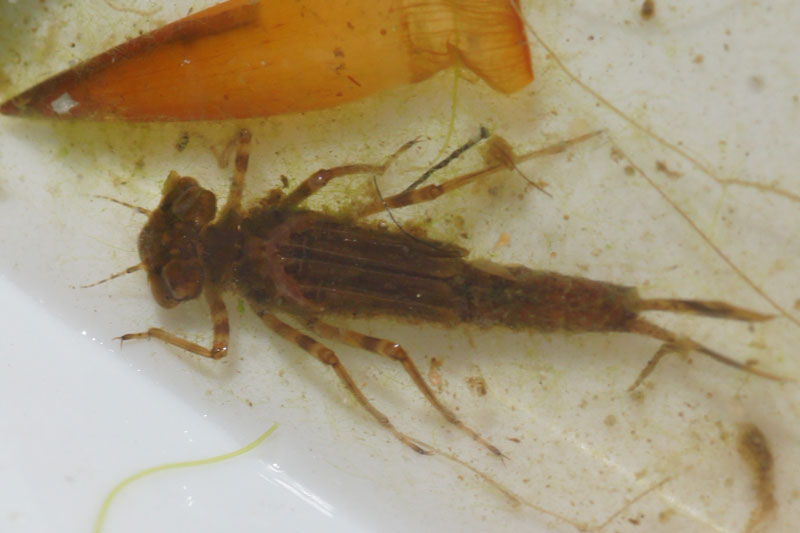
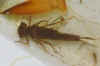 Large red damselfly (Pyrrhosoma nymphula) Family Coenagrionidae. Larva.
Ewoud van der Ploeg (translated): The squarish head and the dark spot in the
lamellae, together with the rather squat body, point to a large red
damselfly. Photo 4-5-2018.
|
Spreadwings (Lestidae).
On Waarneming all Spreadwings
(Lestidae) in the Nederlands .
 .. ..
 . .
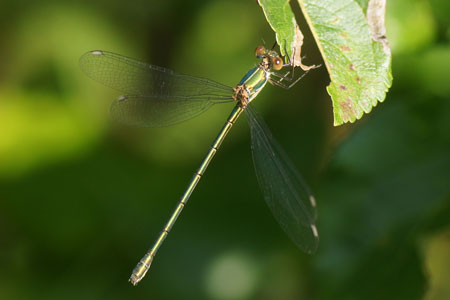
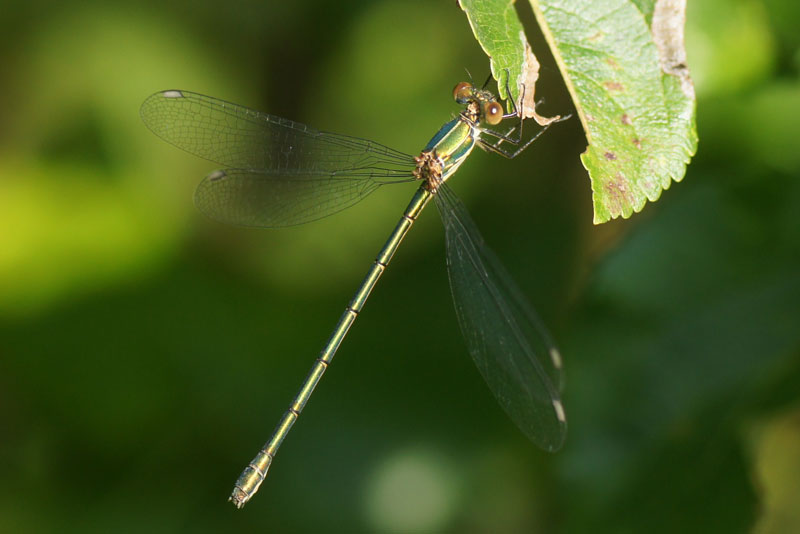
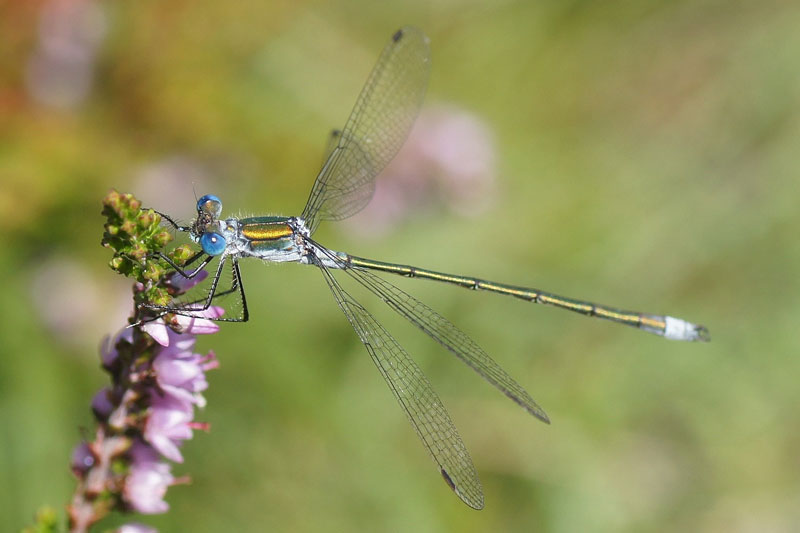
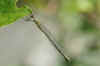 Willow
Emerald Damselfly
(Lestes viridis or Chalcolestes viridis). Family spreadwings (Lestidae).
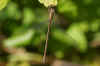
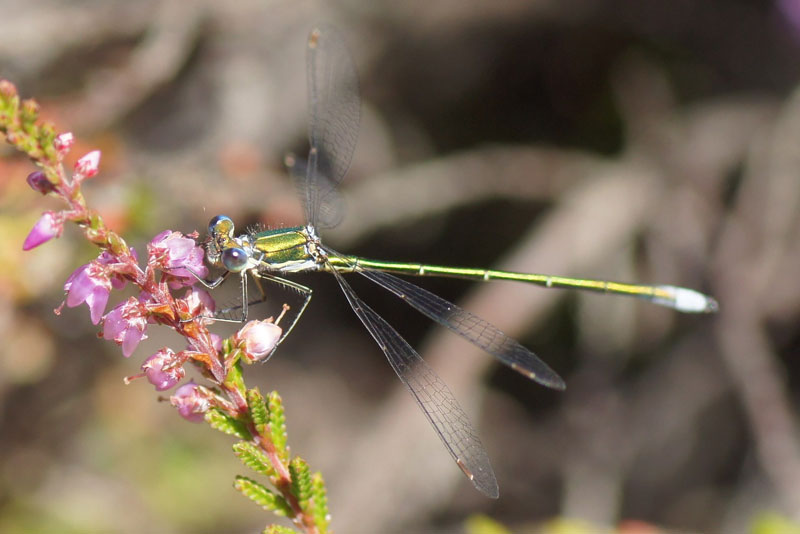
Willow
Emerald Damselfly
(Lestes viridis or Chalcolestes viridis). Family spreadwings (Lestidae).
It is a common widespread damselfly. Male and female are
mainly metallic green and lager than the other damselflies.
The eyes are brown.
The willow emerald
damselflies lay their eggs into incisions in the bark of overhanging
branches.
The eggs hibernate and hatch next spring. The larva has no legs when it
falls in the water. Then it changes in a real nymph.
After three
months appears the new damselfly.
In rest they hold their wings half open. Most damselflies rest with their wings folded together.
.
Flying time: July - November. Photos 13-8-2012, 16-8-2012. German:
Weidenjungfer French: Leste vert.
|
 .. ..
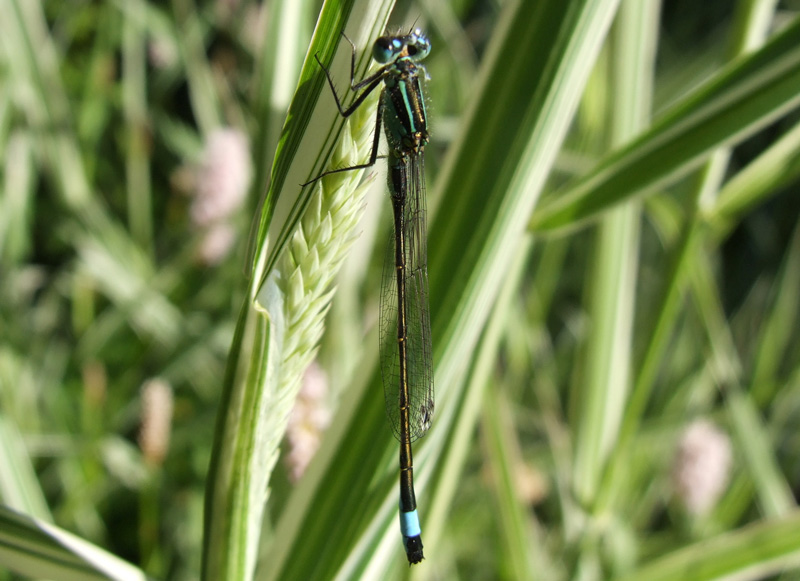
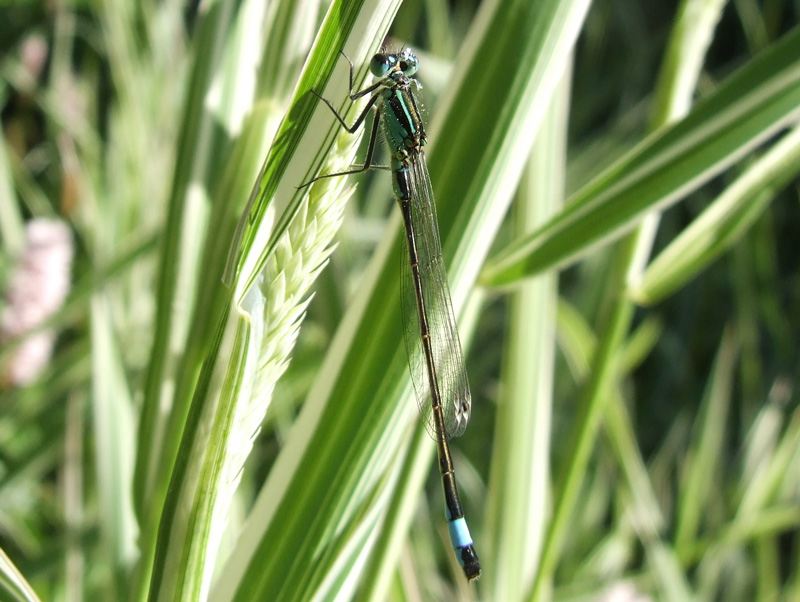
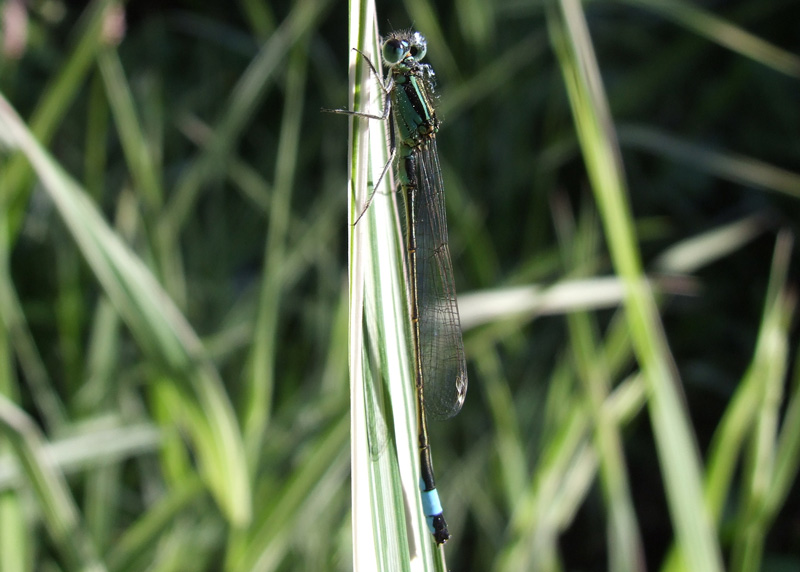
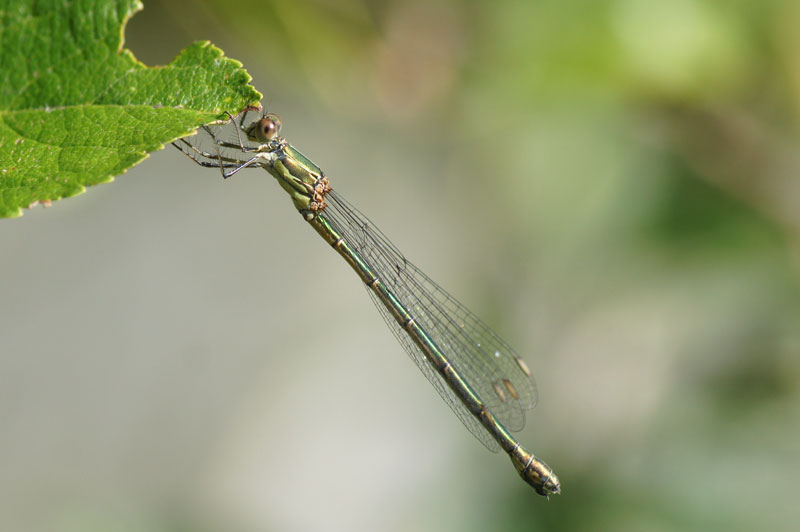
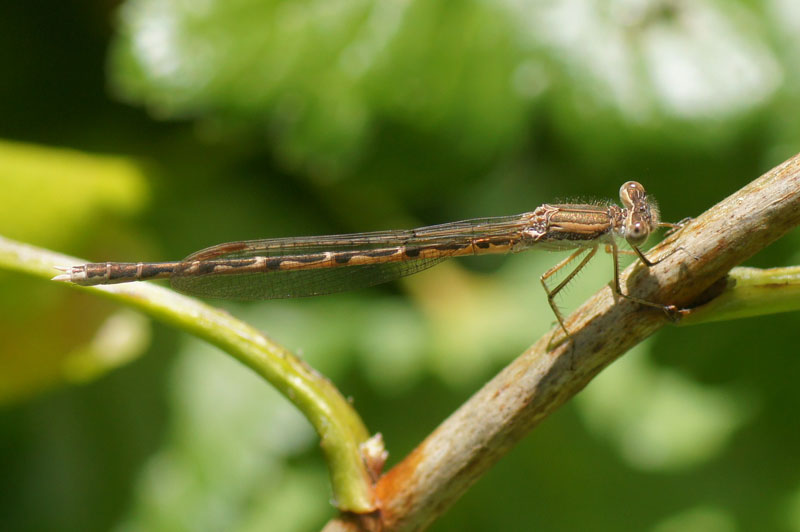
 Emerald Damselfly, Common Spreadwing
(Lestes sponsa).
Not in the garden but in the dunes
about 4 km from our house.
Emerald Damselfly, Common Spreadwing
(Lestes sponsa).
Not in the garden but in the dunes
about 4 km from our house.
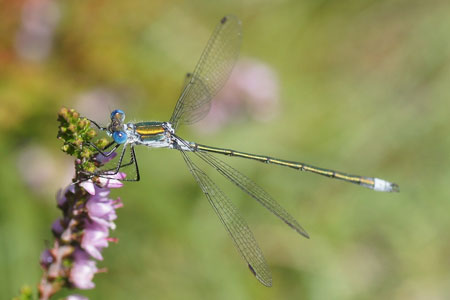
Like the Willow Emerald Damselfly it is metallic green or copper colored. The male has a
powder blue abdomen point like in these pictures.
It overwinters as an egg. The eggs are laid in in submerged vegetation.
Other similar Damselflies are the Willow
Emerald Damselfly, the Scarce Emerald Damselfly, the Small Emerald Damselfly
and the Migrant Spreadwing or Southern Emerald Damselfly.
.
Flying time: May - October.
Europe, Asia.
Photos 19-8-2013. German:
Gemeine Binsenjungfer. French: le Leste fiancé.
|
Dragonflies
 Dragonflies
are stronger than damselflies. The large eyes touch each other above the
head. All of
them have two pairs of membranous wings. Their wings are more or less
similar. The
hind wings are a little broader
than the fore wings.
The wings are held horizontally at rest.
Most dragonflies
are good aviators, better than the
damselflies. Like the damselflies they cannot walk.
Dragonflies
are stronger than damselflies. The large eyes touch each other above the
head. All of
them have two pairs of membranous wings. Their wings are more or less
similar. The
hind wings are a little broader
than the fore wings.
The wings are held horizontally at rest.
Most dragonflies
are good aviators, better than the
damselflies. Like the damselflies they cannot walk.
There are several families.
Family
Gomphidae. Family Cordulegastridae. Family Aeshnidae with species like
Emperor
Dragonfly and Southern Hawker, Blue
Hawker. Family Corduliidae. Family Libellulidae with species like the Black-tailed
Skimmer and the Common
Darter.
|
Hawkers, darners
(Aeshnidae)
On Waarneming all Hawkers
(Aeshnidae) in the Nederlands .
 .. ..
 . .
 . .
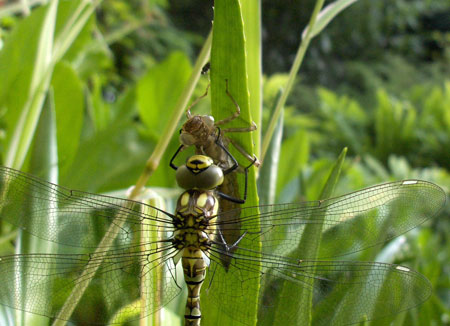
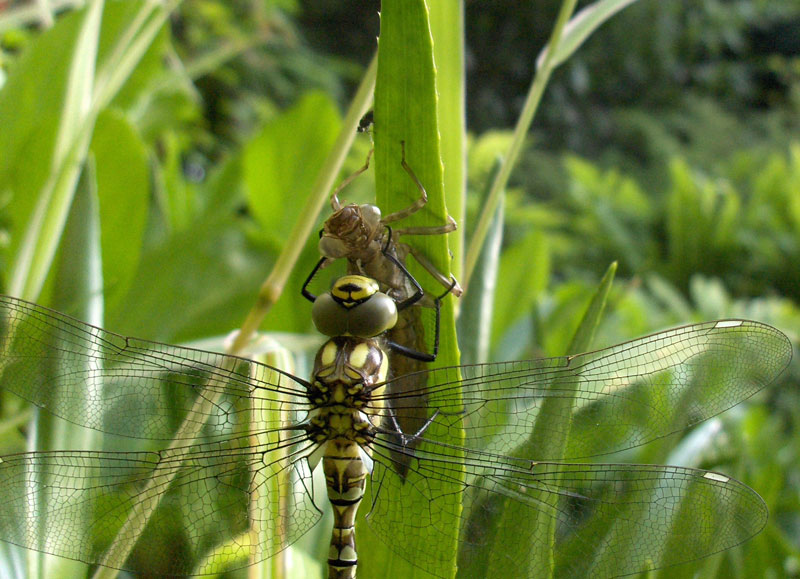
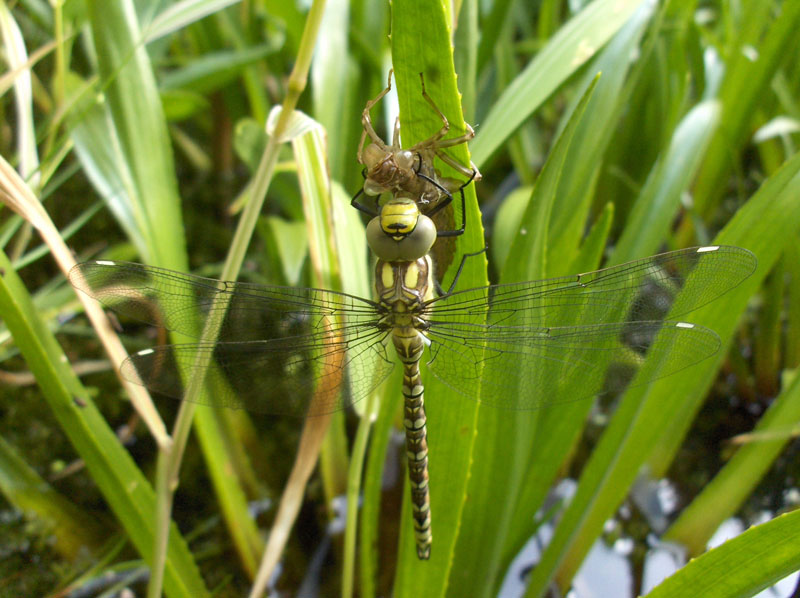
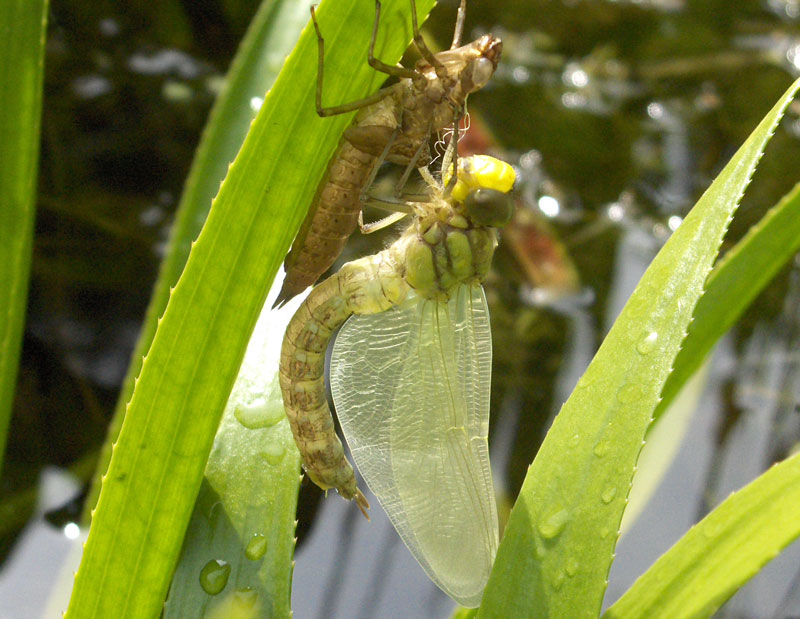
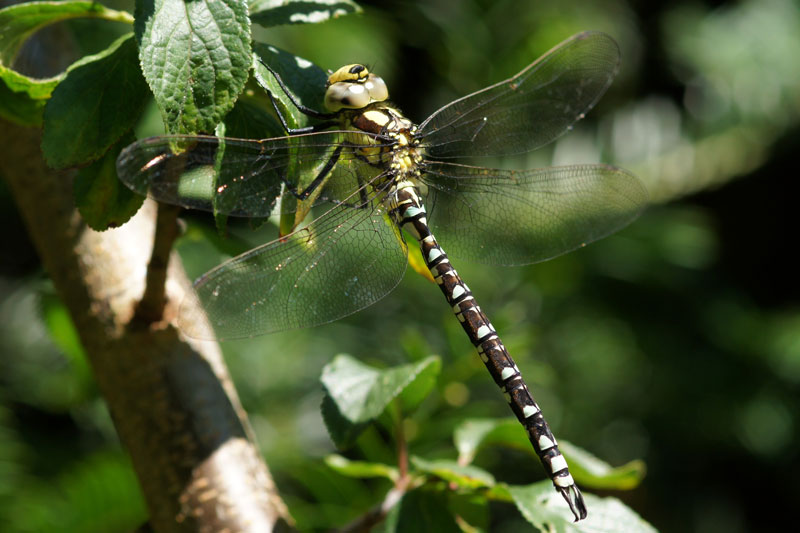
 Southern
Hawker, Blue
Hawker
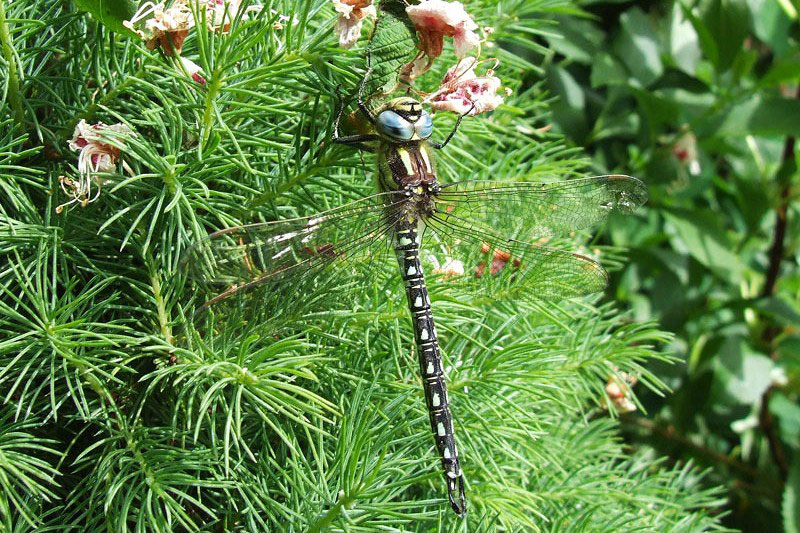
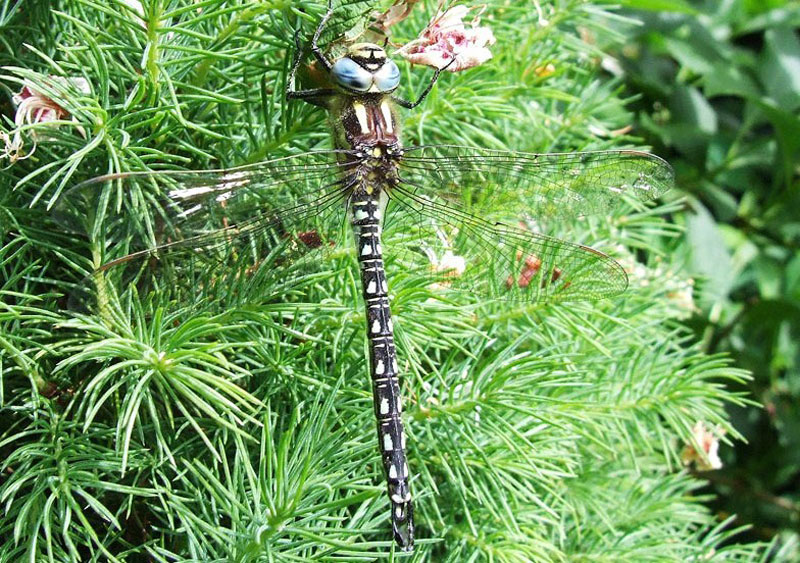
(Aeshna cyanea).
Family
Hawkers, darners (Aeshnidae).
Southern
Hawker, Blue
Hawker
(Aeshna cyanea).
Family
Hawkers, darners (Aeshnidae).
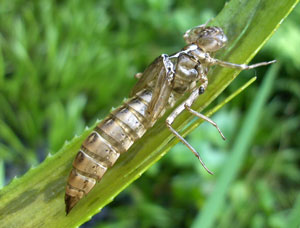
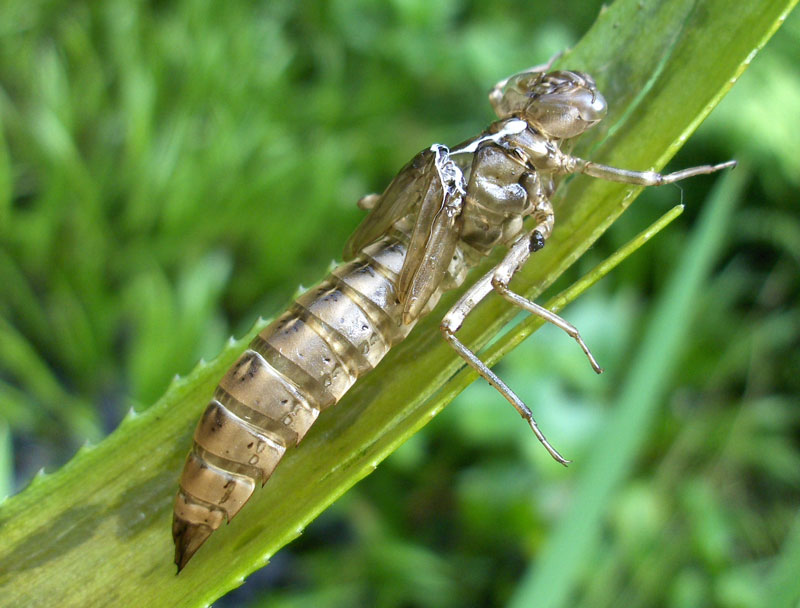
The left photo has been taken mid- June at 8 o'clock at night. We
had almost overlooked him, because a minute later it flew away. Some days later my woman has taken photos of an other metamorphose. When I
came home, it was almost finished.
Click
here if you want to see the metamorphose.
The Southern Hawker, Blue Hawker is a common species, except in clay areas. Length
70 mm. Wings 100 mm. The
female has green markings on
the black bodies, and the male also has blue spots on the abdomen.
At young dragonflies the colours are less clear.
Eggs are laid around
the edge of the pond, amongst pond-side vegetation, in dead wood. The
female lays the eggs without the female.
Adults are often found hunting a long way from water, usually alongside
trees and bushes.
The nymphs emerge
as adults in July and August after two years.
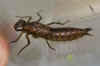
 Nymph 28-7-'11 German:
Blaugrüne Mosaikjungfer French: Æschne bleue.
Nymph 28-7-'11 German:
Blaugrüne Mosaikjungfer French: Æschne bleue.
|
 .. ..
 . .
 . .
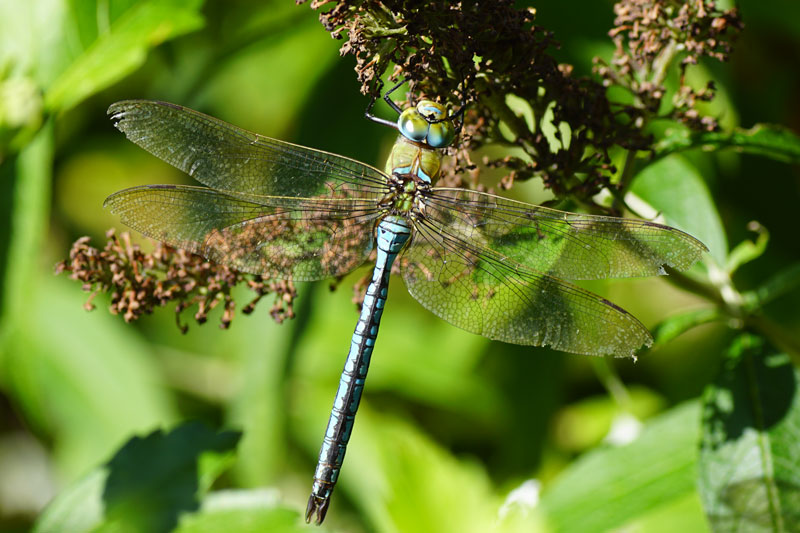
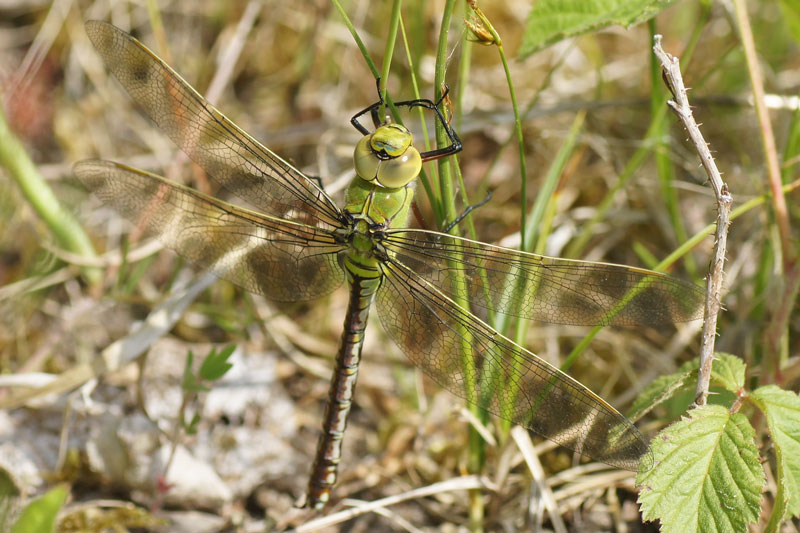
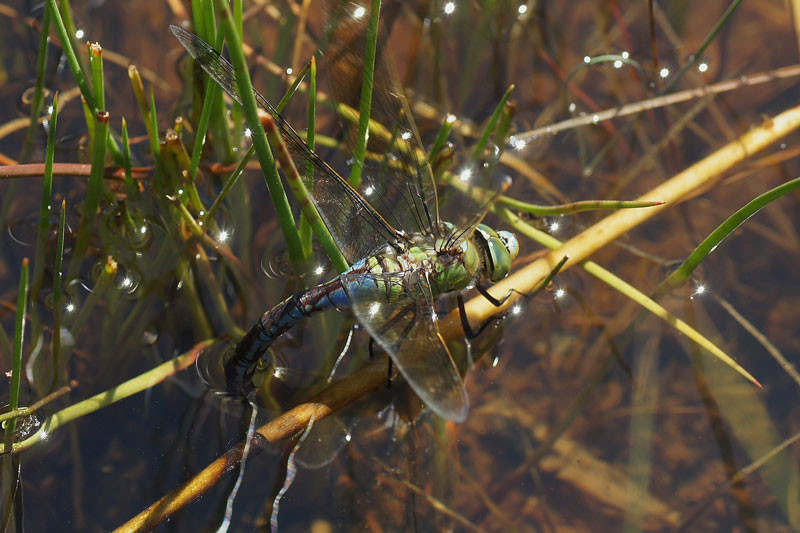
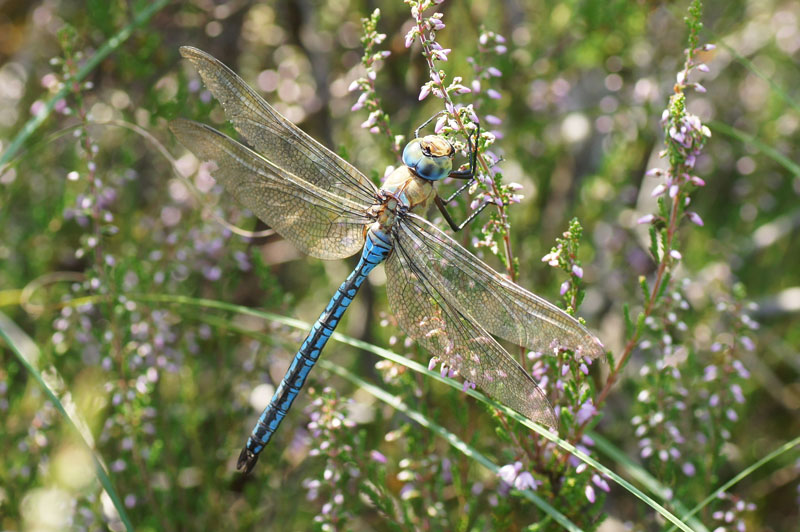
 Emperor Dragonfly, Blue Emperor (Anax imperator).
Family
Hawkers, darners (Aeshnidae).Dragonfly in large photo in the garden. The others in the dunes about
3 km from our house.
Emperor Dragonfly, Blue Emperor (Anax imperator).
Family
Hawkers, darners (Aeshnidae).Dragonfly in large photo in the garden. The others in the dunes about
3 km from our house.
The males have a blue abdomen with a diagnostic black dorsal stripe, a green
thorax and blue eyes. The abdomen of the females is green or blue, the
thorax is green with two small blue spots and the eyes are green.
In stagnant water. The females only put the eggs on floating plants. The larvae overwinter one or two years.
May - October but most in June-August.
Europe, West Asia, Africa.
Photo 20-7-2012, 18-6-2013, 6-6-2014, 31-7-2014,
2-8-2020. German: Große
Königslibelle. French: L'Anax empereur.
|
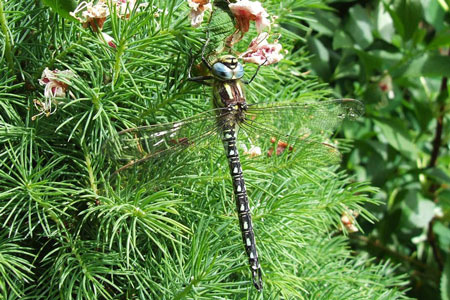 .. ..
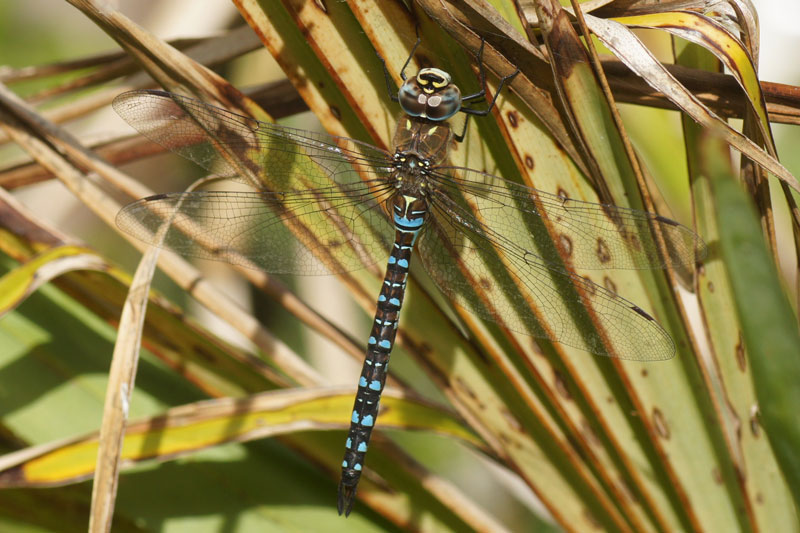
 Hairy Dragonfly, Hairy Hawker
(Brachytron pratense). Family
Hawkers, darners (Aeshnidae).
Hairy Dragonfly, Hairy Hawker
(Brachytron pratense). Family
Hawkers, darners (Aeshnidae).
The males are mainly black with blue. The female black with yellow. On the side of the thorax are
green or yellow bands.
The abdomen and thorax are downy hairs. Hence its name. Segment three is not
constricted. Segment one has in the middle a round spot.
April - Late June.
The larvae overwinter two to three times.
Length 5,5 - 6,3 cm. Wingspan 7 - 8 mm. Photos 3-5-2011 German: Frühe Schilfjäger.
|
Libellulidae.
On Waarneming all Libellulidae
in the Nederlands .
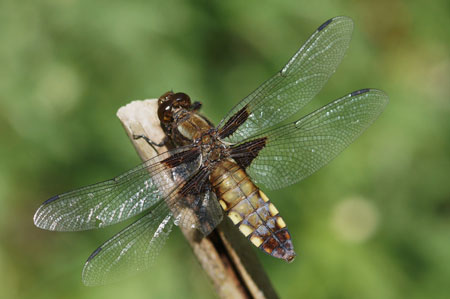 .. ..
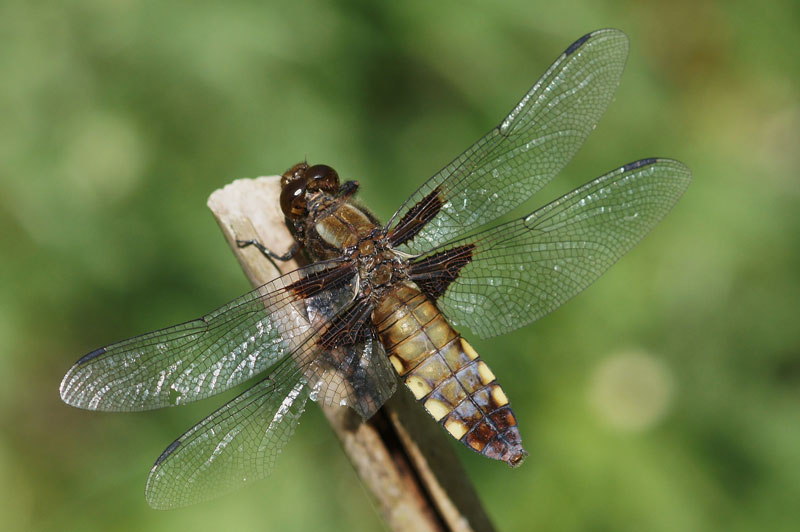
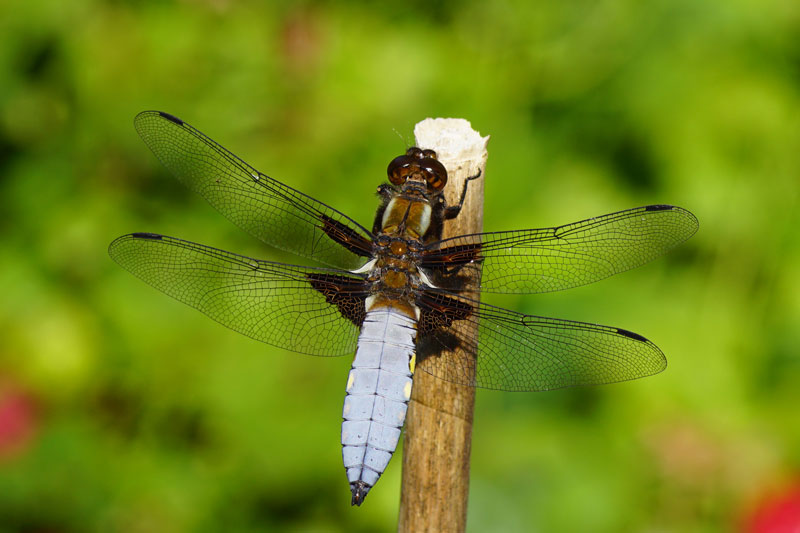
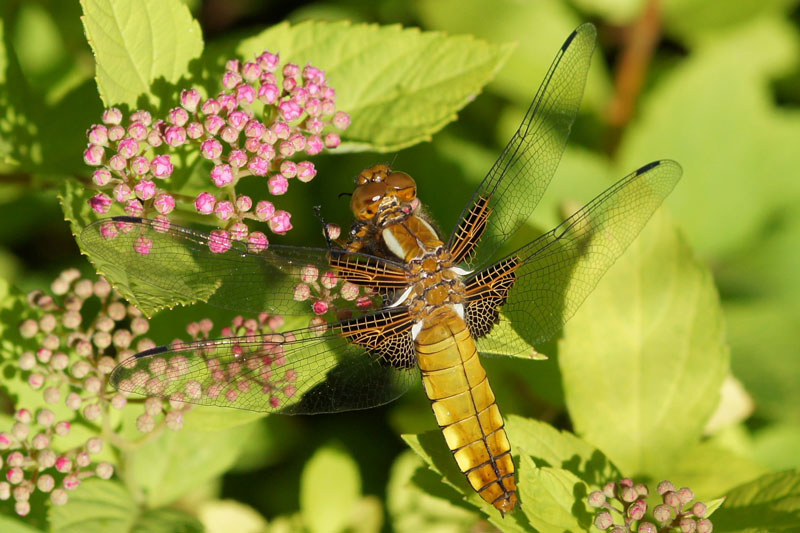
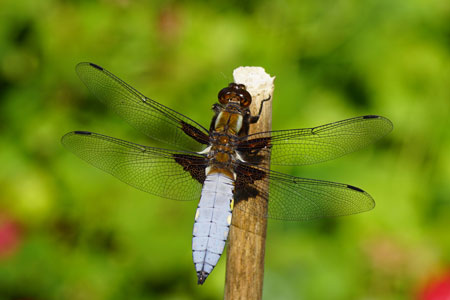 Broad-bodied Chaser (Libellula depressa)
Family Libellulidae
Broad-bodied Chaser (Libellula depressa)
Family Libellulidae
The
Broad-bodied Chaser
you
often see near
small
waters.
In 2011 for
the first
time near
the pond
in my garden. I was able to photograph the male with the blue abdomen in the garden for the first time in 2022.
One
characteristic
is
the
broad,
abdomen.
The
patches
at the base
on
the wings
are
striking.
Males
are
often
blue,
females
are
brownish.
Older females have also blue on the abdomen. The
sides
of
the
abdomen
are
bright yellow.
The
larvae
creep
after
two
years from
the
plants
along
the
shore.
They
overwinter
in
the mud to
crawl away.
They
can be dried,
but
also
survive
in
frozen
mud.
Length:
38
to 48 mm. April
to September.
Europe,
Middle
East,
Siberia.
Photo 23-5-2011  A younger Broad-bodied chaser female. Photo 8-6-2011. Male 3-6-2022. German: Plattbauch French: libellule déprimée.
|
 .. ..
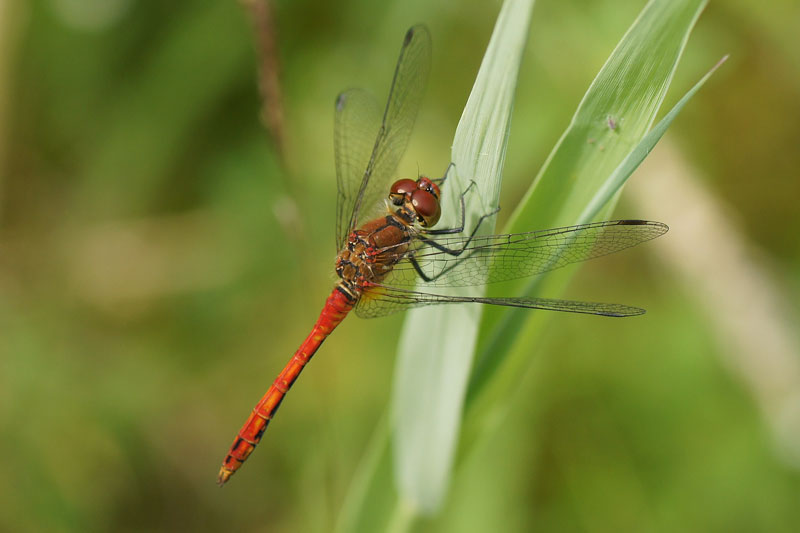
 Ruddy Darter (Sympetrum
sanguineum). Family
Libellulidae. Not in the garden but in the dunes
about 4 km from our house.
Ruddy Darter (Sympetrum
sanguineum). Family
Libellulidae. Not in the garden but in the dunes
about 4 km from our house.
The males are blood-red. The females yellow.De
mannetjes zijn dieprood van kleur. A difference with the other darters is
the all-black legs of the Ruddy Darter.
The larva live in the water for a year.
Length 34 - 36 mm. Erope. Not in the south
of Spain, Italy. In parts of Africa.
July - October. Photos 26-6-2012. German:
Blutrote Heidelibelle. French: Sympétrum rouge sang.
|
 .. ..
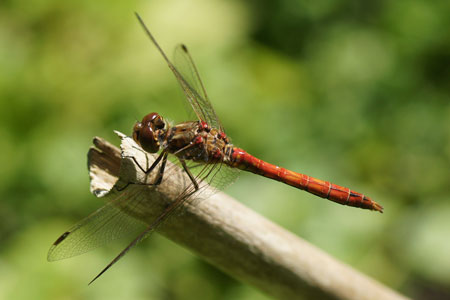

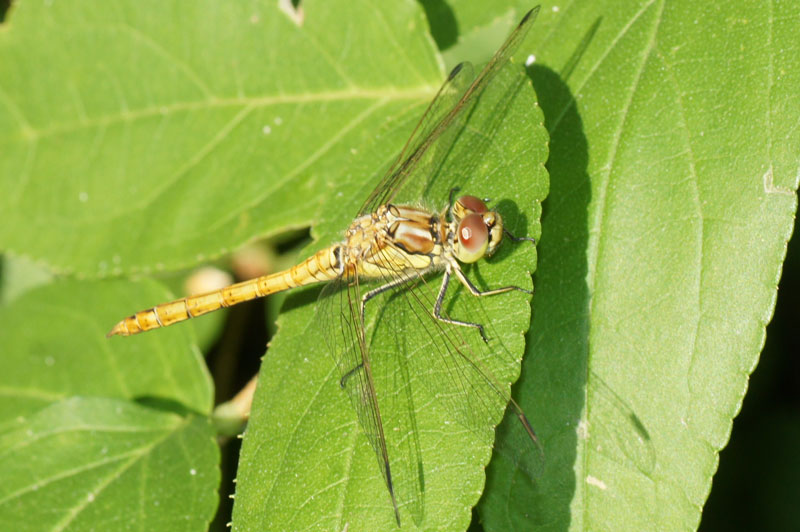
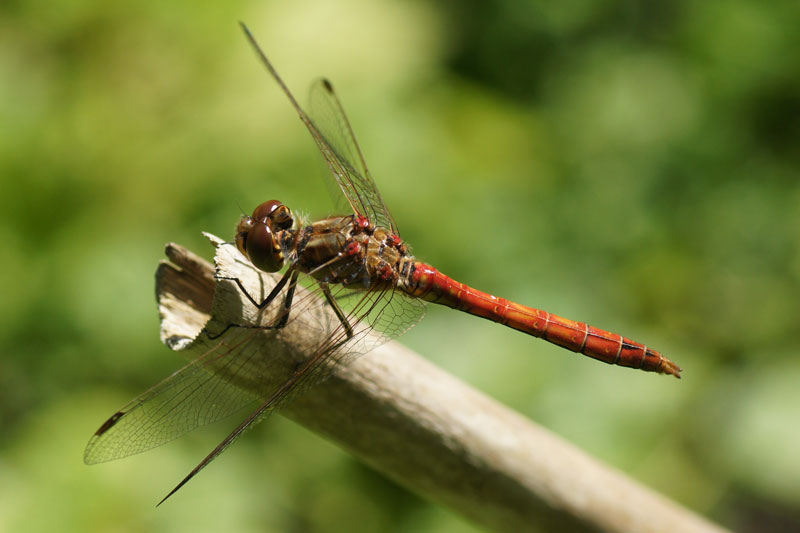
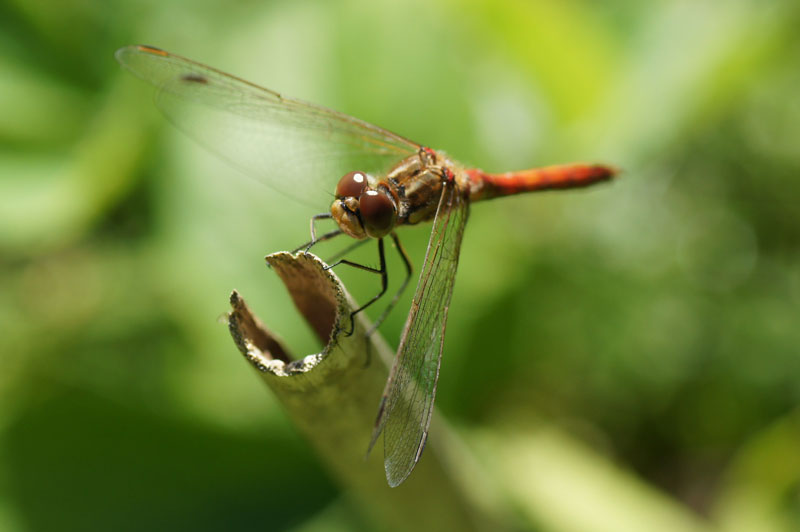
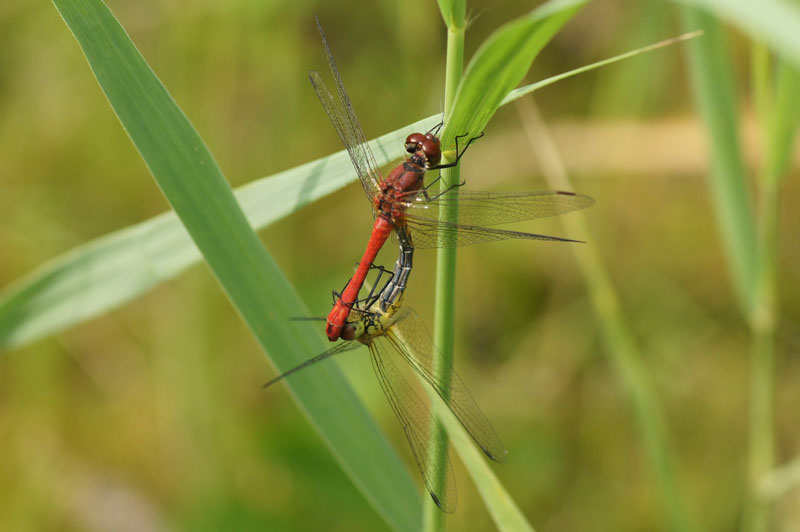
Vagrant Darter (Sympetrum
vulgatum). Family
Libellulidae.
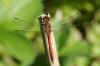
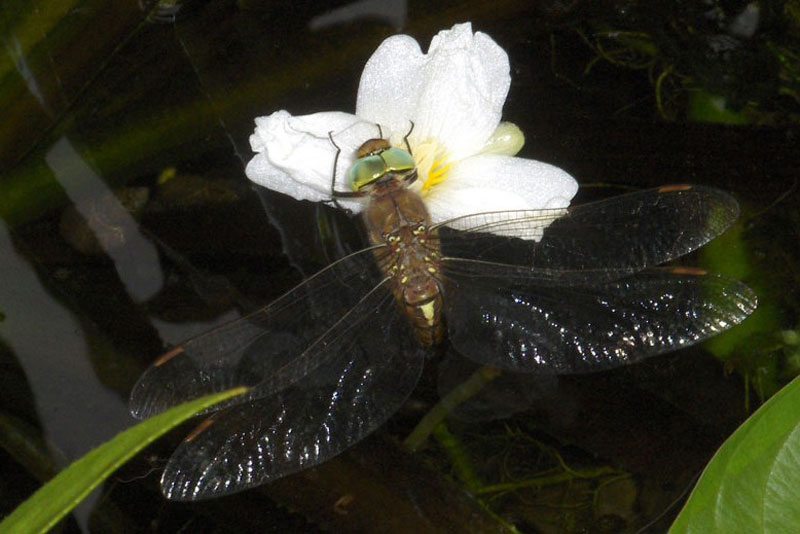
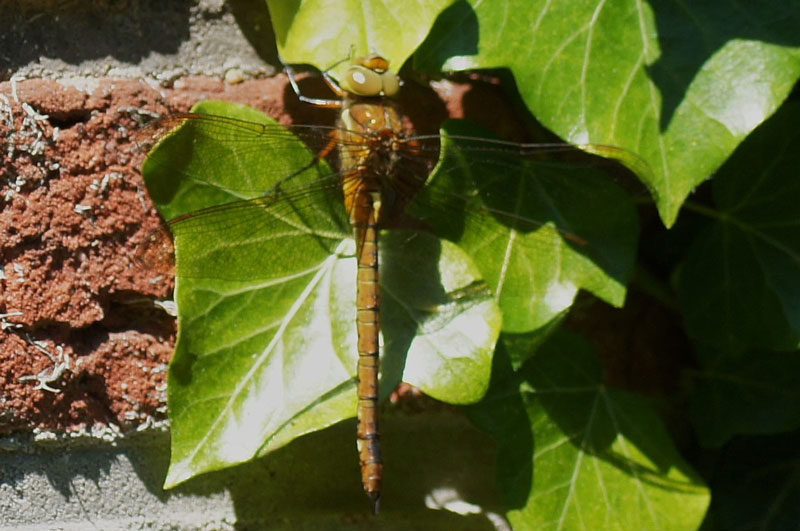
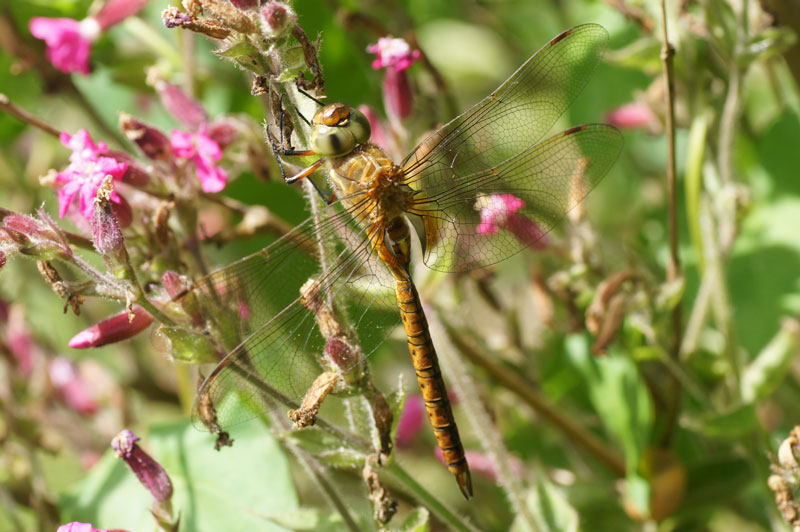
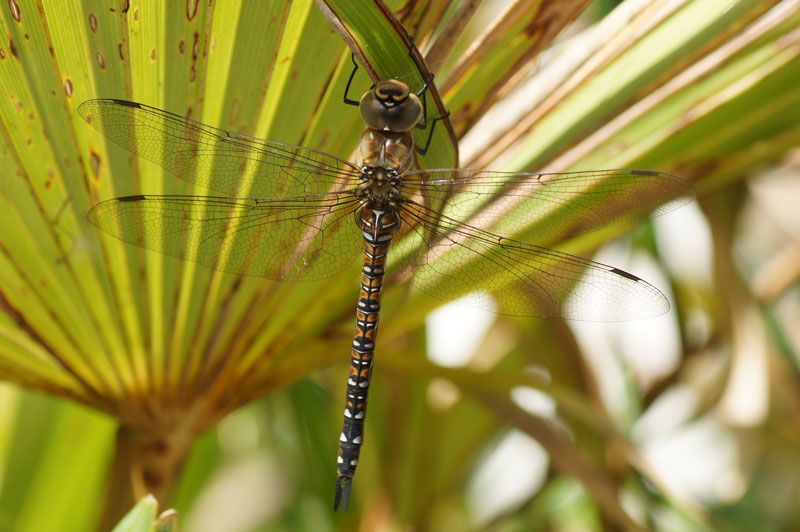
The legs are black with yellow stripes along their length. A black line between the
eyes and along the
eye rims. It looks like "a black mustache" . The Common
Darter don't have a mustache.
Young males and females have a yellow abdomen. Older males have a red abdomen.
The older females will be brown.
Length 35 - 40 mm. June - November.
The eggs are deposited in tandem. The Common
Darter overwinters as an egg. In the spring, the eggs hatch
and the dragonflies appear in June - September.
Photos 3-8-2012. German:
Gemeine Heidelibelle. French: Sympétrum commun.
 A black mustache.
|
A beautiful site with much information: The Garden
Safari
Nederlands /
Dutch
 
Subpage France: Insects
France
|

 ..
..











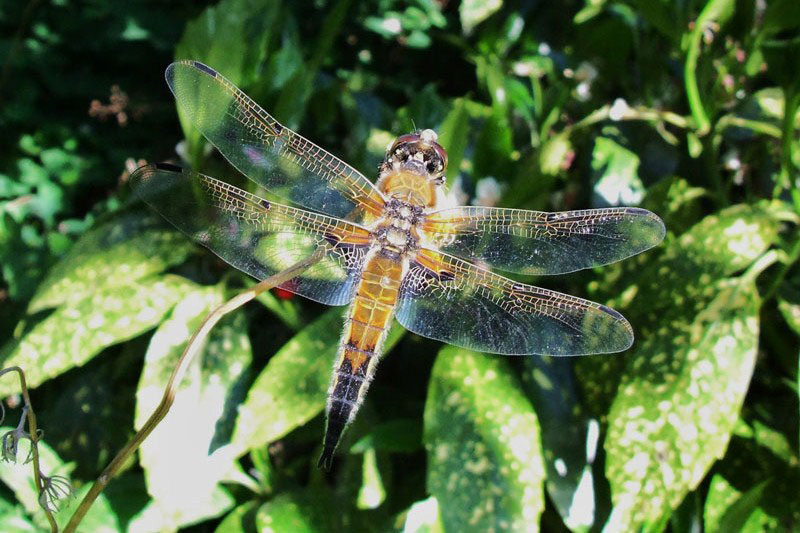
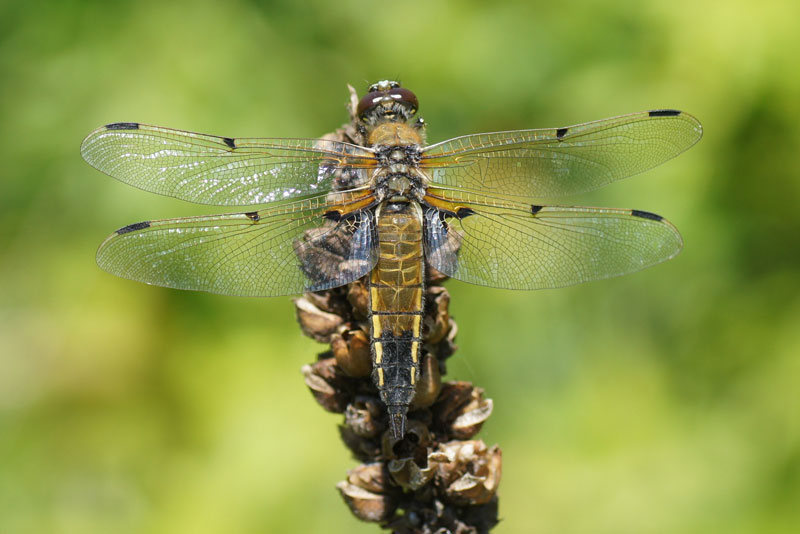

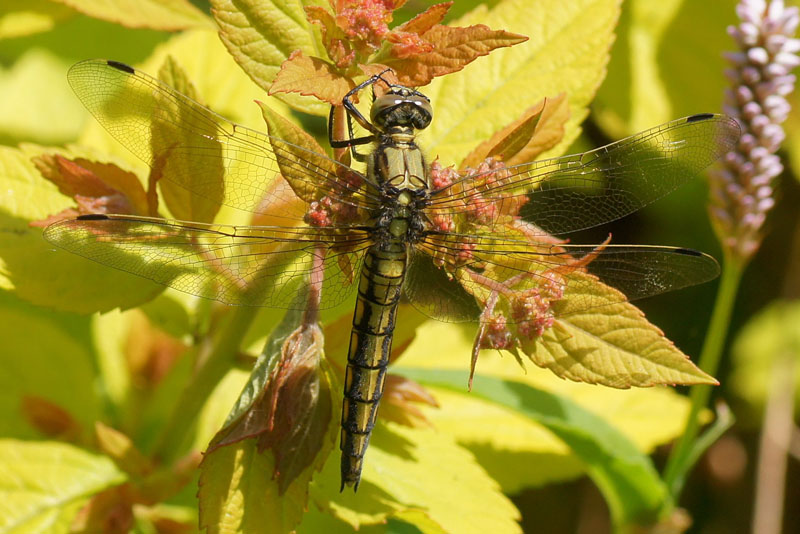
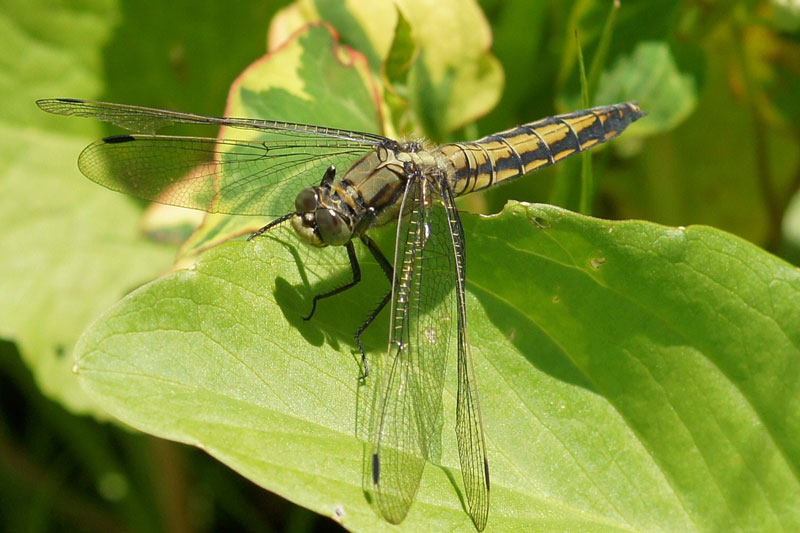
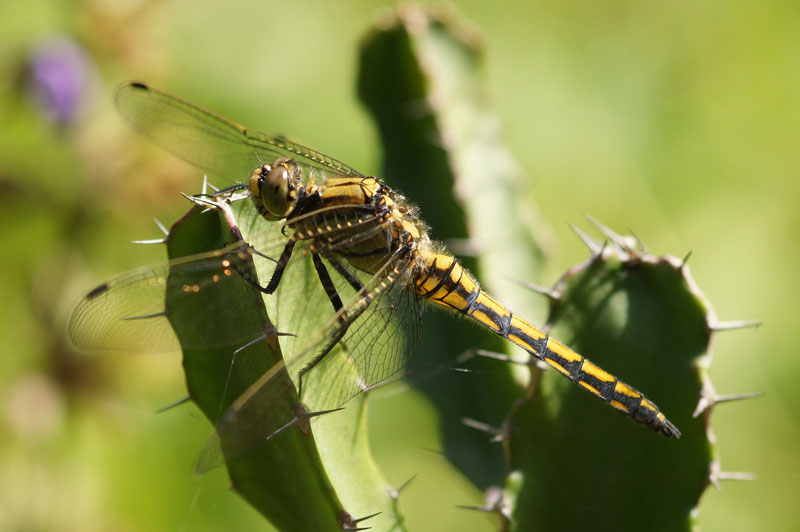
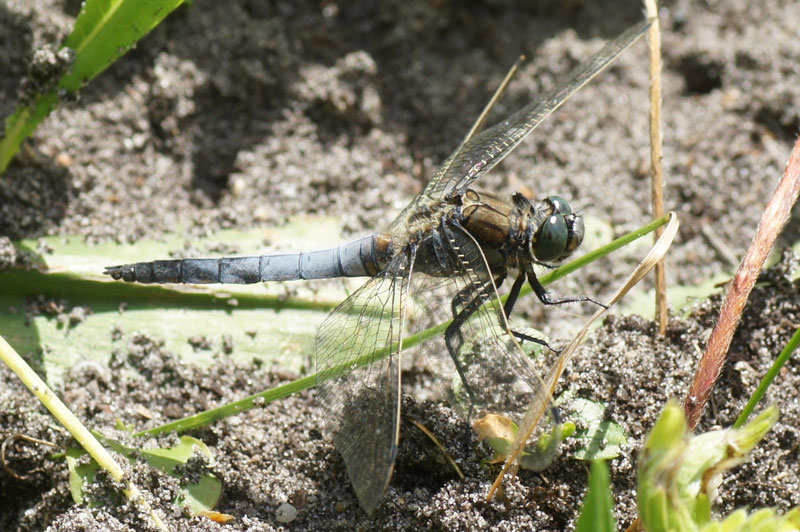

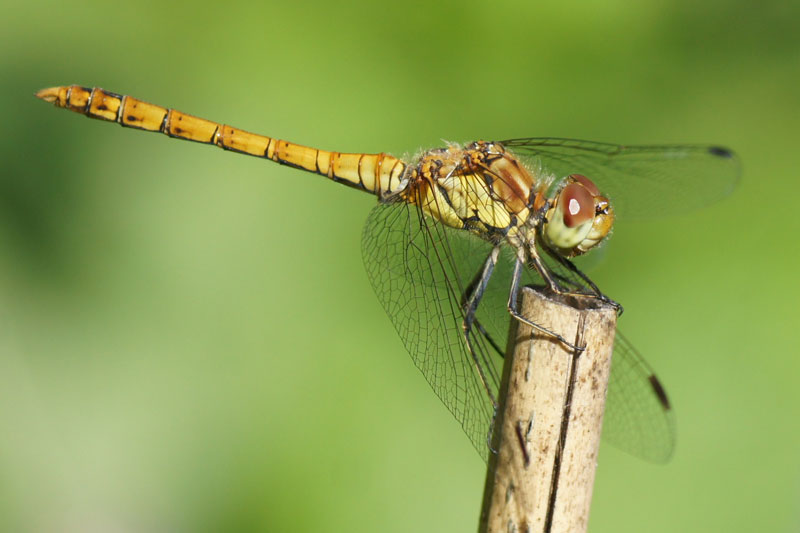
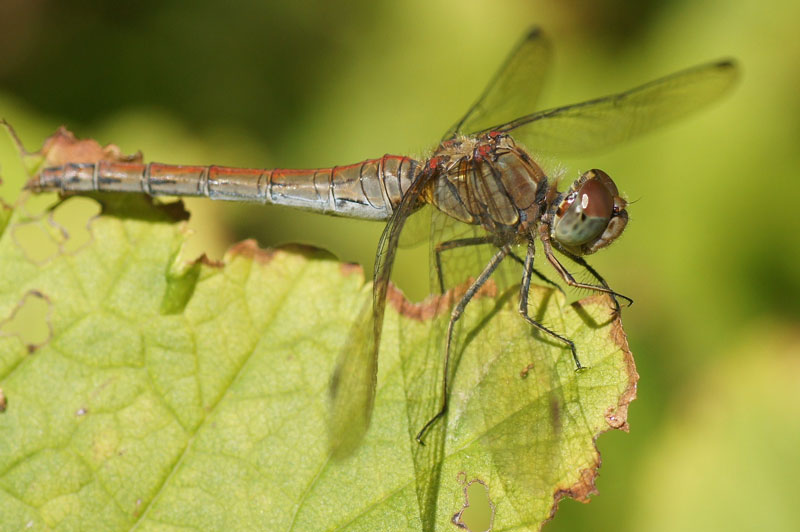
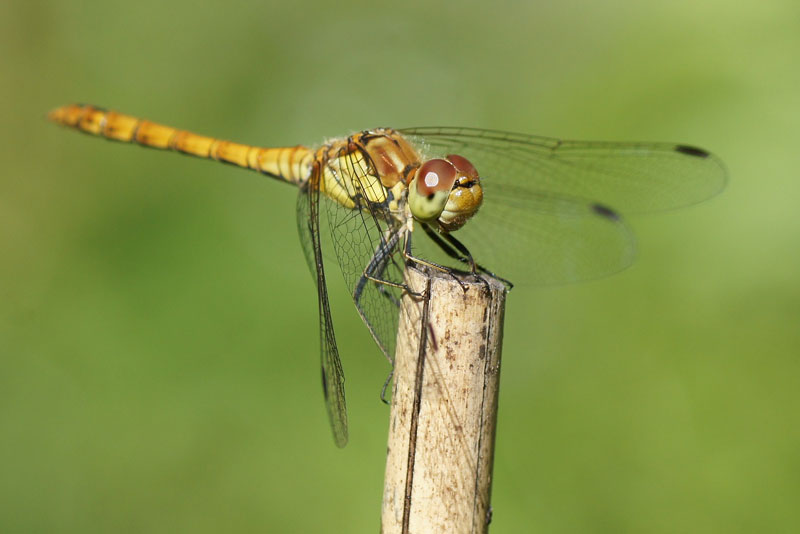
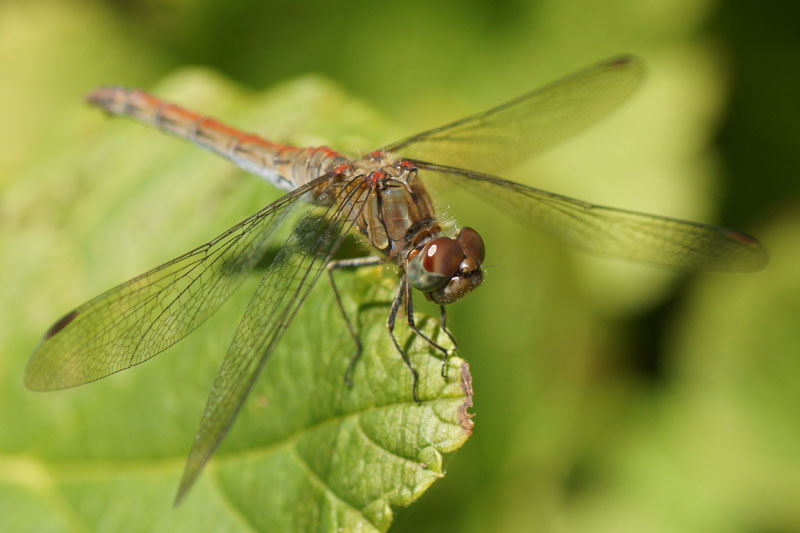

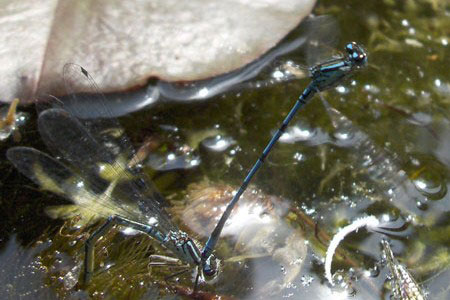
 No black mustache.